特朗普政府在军事手段未能推翻伊朗政权后,于8月24日推出了名为“经济弃儿行动”的大规模金融制裁计划。财政部长斯科特·贝森特宣称这是针对对手的“史上最大规模金融攻势”,对近60个个人、实体和船只以及包括数字资产和航运在内的5个经济部门实施制裁。然而,作为最具威慑力的经济武器,美方对与伊朗开展贸易及资金往来的第三国实施“二级制裁”仍停留在口头威胁阶段。中国以折扣价采购了伊朗约90%的原油出口,鉴于迫使中国金融机构在中美经贸与伊朗石油之间选边站队可能引发全球金融动荡,且中国曾以稀土供应反制,美国动用全面二级制裁的可能性极低。
这项新制裁措施根本无法动摇伊朗统治根基。在经历了特朗普第一任期的“极限施压”以及第二任期的空袭与霍尔木兹海峡封锁后,制裁和封锁虽然加剧了普通伊朗民众的生活困境,但伊朗伊斯兰革命卫队等统治精英依托走私网络和国内进口替代产业牢牢掌控着经济命脉,外部制裁反而进一步巩固了其垄断地位与权力结构。
从美国国内政治维度看,此次经济攻势本质上掩盖了战略收缩意图。目前仅有31%的美国民众支持对伊继续采取军事行动,在11月中期选举临近之际,特朗普政府急于避免中东军事冲突再度推高国际油价(例如使其重返80美元以上)并拖累选情。然而,这种雷声大雨点小的制裁不仅严重削弱了美国的战略信誉,还使海湾局势陷入僵局,伊朗可能趁机继续推进其核计划与可裂变物质储备,导致达成全面核协议的前景愈发遥不可及。
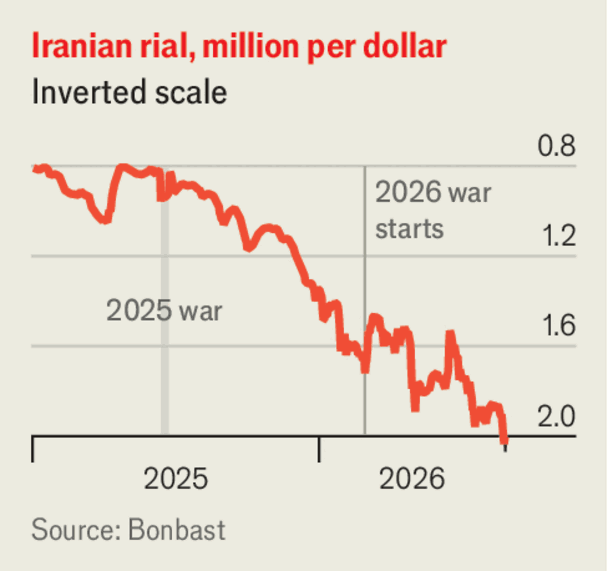
Following the failure of military action to dislodge Iran's regime, the Trump administration launched a sweeping sanctions offensive dubbed "Operation Economic Outcast" on August 24th. Treasury Secretary Scott Bessent labeled it the largest financial offensive in history, targeting nearly 60 individuals, entities, and vessels across five economic sectors including digital assets and shipping. However, the most potent weapon—secondary sanctions against third-party trade partners—remains a threat. China buys roughly 90% of Iranian crude exports at a discount; forcing Chinese financial institutions to choose between the dollar and Iranian oil risks severe systemic disruptions, deterring Washington from deploying secondary sanctions at full force.
The sanctions offensive is fundamentally unlikely to topple Iran's leadership. Having endured past maximum-pressure campaigns, airstrikes, and US blockades in the Strait of Hormuz, the regime and the Islamic Revolutionary Guard Corps (IRGC) remain insulated. While ordinary citizens suffer economic hardship, the IRGC sustains its funding through pervasive smuggling networks and domestic import-substitution manufacturing, meaning external economic isolation may ironically entrench its economic dominance and political control.
Domestically, the initiative reflects a strategic retreat aimed at removing Iranian confrontation from public focus ahead of the November midterm elections, with only 31% of Americans supporting continued military engagement. By avoiding full-scale conflict, the administration hopes to keep crude prices from spiking above $80 while stabilizing midterm prospects. Nevertheless, hollow escalatory rhetoric damages American credibility, leaves Gulf maritime security vulnerable to proxy disruptions, and critically fails to constrain Iran's underlying nuclear development and fissile material stockpiles.
Source: America’s new sanctions are unlikely to topple Iran’s regime
Subtitle: But that may not be the aim
Dateline: Aug 27th 2026