中国的 AI 发展策略侧重于开源权重模型及广泛的产业应用,政府不仅补贴基础设施,还积极推动 AI 在制造、物流与电子商务等领域的落地,旨在提升国家整体经济生产力,而非单纯追求个别企业的高额利润。
尽管面临欧美市场的资安疑虑与限制,中国的 AI 模型凭借低成本和高灵活性的优势,已开始在全球市场扩展市占率,这对依赖高投入、高收费商业模式的美国 AI 巨头构成了潜在的定价与竞争压力。
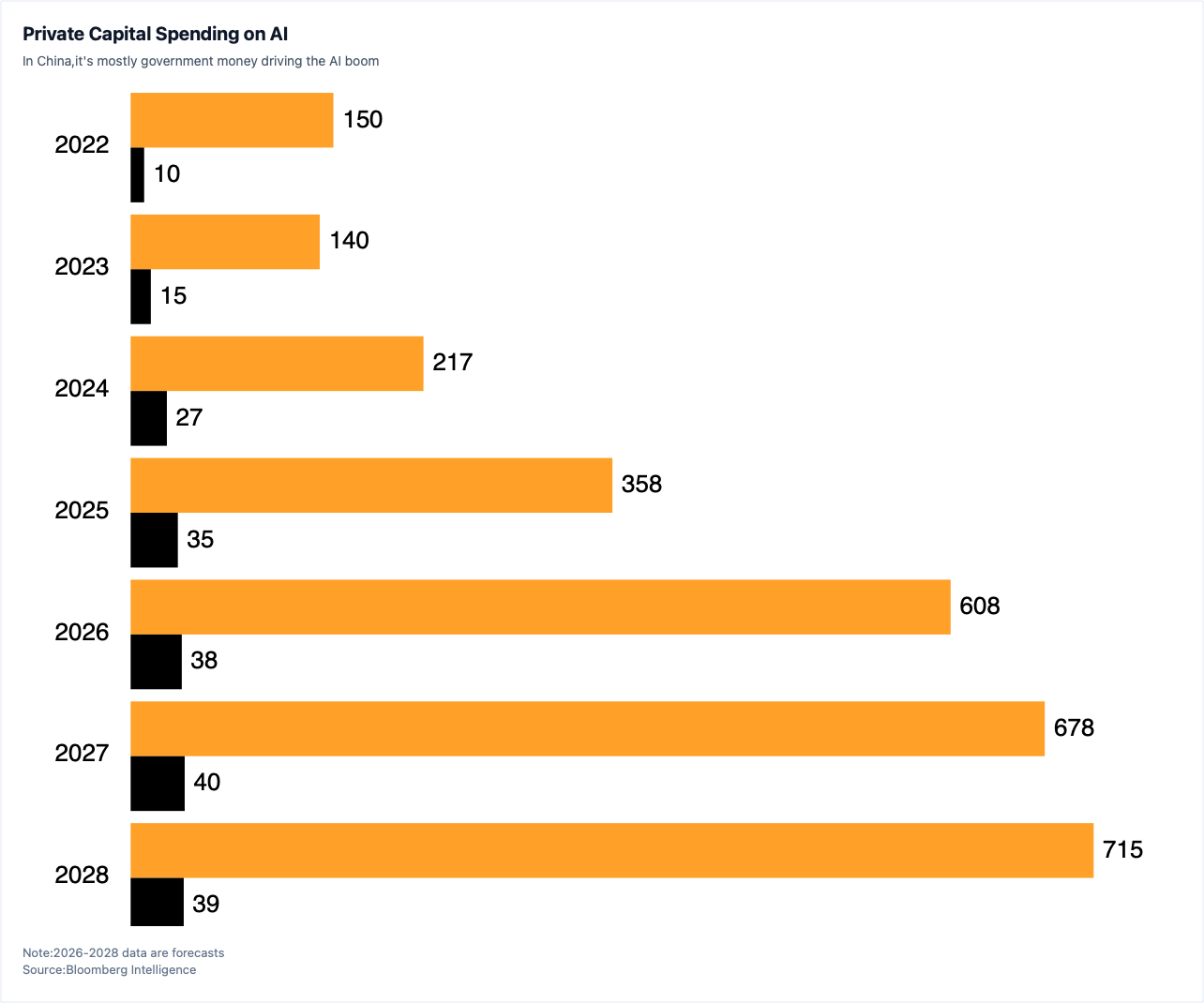
Facing US export controls on advanced chips, Chinese AI companies have pivoted to developing highly efficient models that require less computing power, utilizing techniques like mixture-of-experts to allow platforms such as DeepSeek and Alibaba to perform comparably to leading American models.
China's AI strategy emphasizes open-weight models and broad industrial application, with the government subsidizing infrastructure and promoting the integration of AI into manufacturing, logistics, and e-commerce to boost national economic productivity rather than simply maximizing individual corporate profits.
Despite security concerns and restrictions in Western markets, Chinese AI models are expanding their global market share, leveraging their low cost and flexibility to pose a potential pricing and competitive threat to the high-investment, premium-priced business models of US AI giants.