为了弥补官方数据的不足,私营部门的替代性数据正迅速崛起并发挥关键作用。这些替代来源包括线上交易价格、信用卡消费纪录以及高频率的通膨指标,结合强大的运算能力与人工智慧技术,能够即时处理庞大且复杂的资料,为投资人与经济学家提供比传统官方数据更细致且即时的市场动态全貌。
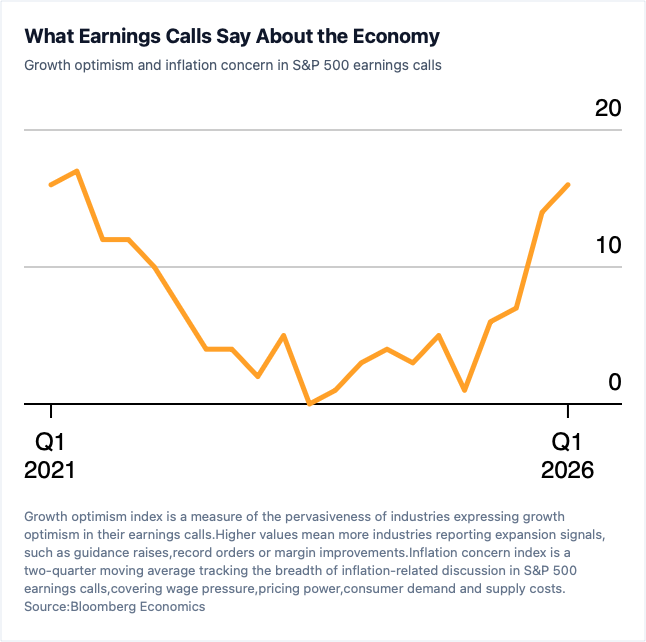
未来的市场经济分析将不再单一仰赖官方报告,而是走向公共与私营数据互补的全新模式。官方机构虽然持续提供严谨且具公信力的基准,但私营部门能够利用人工智慧等先进技术,从企业财报电话会议等非传统来源中提早捕捉经济趋势,这种灵活且创新的方法将成为精准预测经济走向的关键优势。
In recent years, the quality and timeliness of official US economic statistics have faced severe challenges, primarily driven by data collection disruptions from the pandemic, government shutdowns, and a rapidly changing economy characterized by artificial intelligence and e-commerce. These statistical inaccuracies and delays, such as massive revisions in employment data and missing consumer price indices, have substantially impacted the ability of policymaking bodies like the Federal Reserve to make precise decisions regarding interest rates and monetary policy.
To bridge the gap left by official data, alternative data from the private sector is rapidly emerging and playing a crucial role. These alternative sources, which include online transaction prices, credit card records, and high-frequency inflation gauges, combined with powerful computing and artificial intelligence, can process vast and complex datasets in real time, offering investors and economists a more granular and timely picture of market dynamics than traditional official statistics.
The future of market economic analysis will no longer rely solely on official reports but will move toward a new model where public and private data complement each other. While official agencies will continue to provide rigorous and authoritative benchmarks, the private sector can leverage advanced technologies like AI to capture economic trends early from unconventional sources such as corporate earnings calls, making this flexible and innovative approach a key advantage in accurately forecasting economic trajectories.