解决这场危机的困难在于转型期的「税收缺口」,因为要寻找新的替代税源充满挑战。虽然学者建议提高财富税、消费税、企业税或引入「运算税」来弥补损失,但这些措施通常会面临富人和企业的强烈抵制,且在缺乏全球协调的情况下难以有效执行。
为了应对这场前所未有的总体经济转型,各国必须及早准备并加强国际合作。未来的决策者需要建立全新的系统来即时追踪就业市场的变化,甚至可能需要利用顶尖的人工智慧技术来协助制定政策,以确保财政稳定和社会凝聚力,避免不平等现象固化。
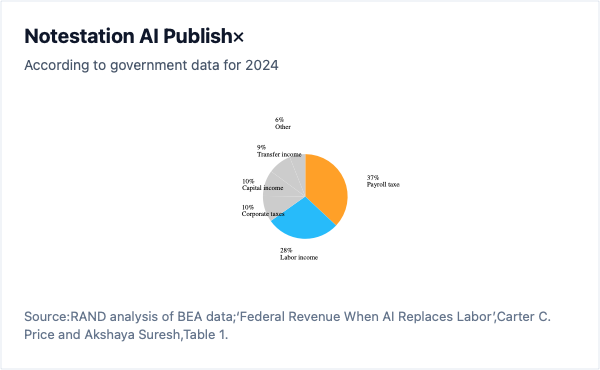
Experts at the International Monetary Fund war-gamed the potential economic impacts of artificial intelligence, concluding that the most pressing doomsday scenario is not killer robots, but the erosion of income taxes caused by AI displacing a massive number of white-collar jobs. Because governments rely heavily on labor taxes, this erosion of the tax base would cause revenues to plummet while social welfare spending surges, potentially triggering decades of political and economic instability.
The difficulty in solving this crisis lies in the "tax gap" during the transition period, as finding new alternative tax sources is fraught with challenges. Although scholars recommend increasing wealth, consumption, or corporate taxes, or introducing a "compute tax" to make up for the losses, these measures typically face fierce resistance from the wealthy and corporations, and are difficult to implement effectively without global coordination.
To cope with this unprecedented macroeconomic transition, countries must prepare early and strengthen international cooperation. Future policymakers will need to establish entirely new systems to track changes in the job market in near real-time, and may even need to utilize cutting-edge AI technologies to assist in policymaking, ensuring fiscal stability and social cohesion while preventing the entrenchment of inequality.