市场对于殖利率曲线是否即将倒挂及经济前景看法分歧。部分策略师与投资组合经理人认为,货币紧缩力道加剧将持续推动2年至10年期曲线倒挂,这通常反映出对长期经济成长前景的担忧;但也有机构分析师指出,大幅升息的预期已大致反映于短天期利率中,加上消费者支出强劲、AI资本支出热潮与宽松财政政策支撑,美国经济短期内仍展现充足韧性,曲线甚至可能重新走陡。
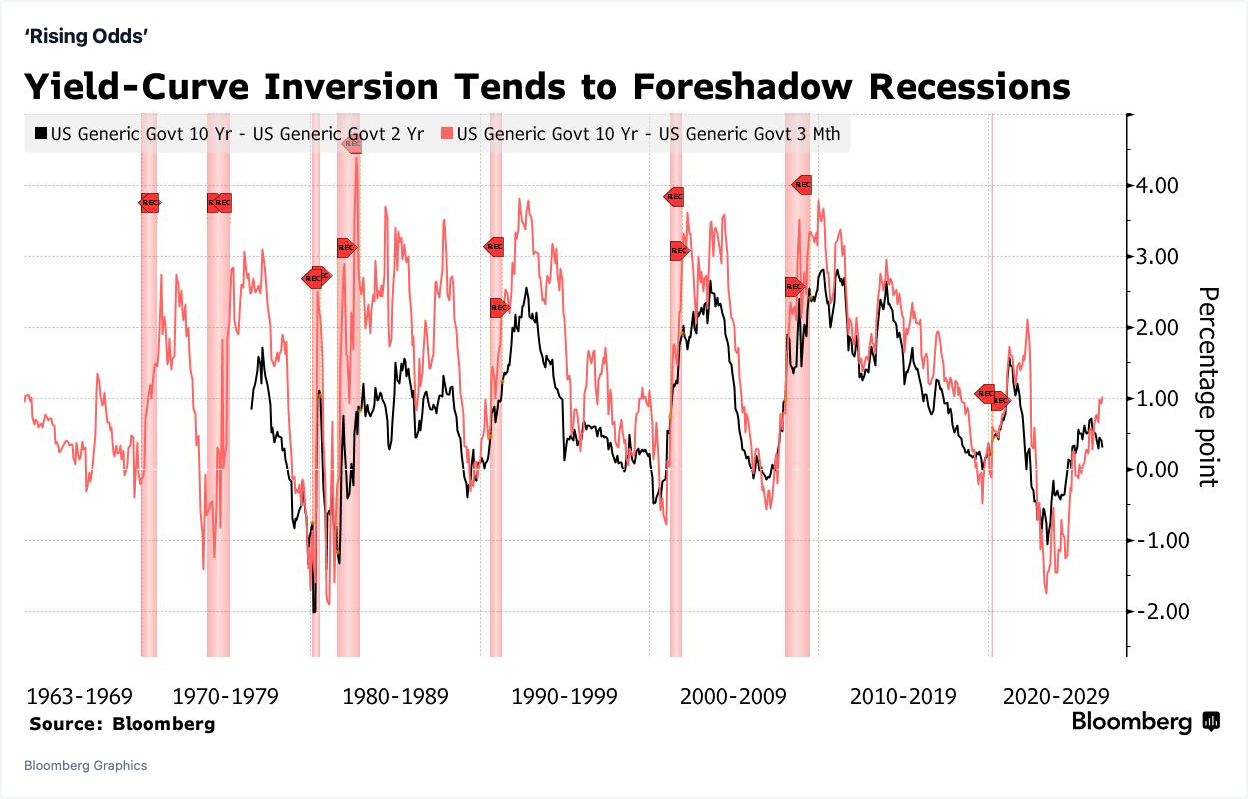
殖利率曲线趋平与潜在倒挂正在对金融市场造成外溢冲击,尤其是重挫仰赖「借短贷长」获利的银行股,导致KBW银行指数自近期高点下跌10%进入技术性修正。虽然历史上曲线倒挂曾多次成功预警经济衰退,但近年其预测准确度亦受到质疑,部分市场人士警告这可能反映出联准会面临犯下过度紧缩政策错误的风险,后续经济数据与联准会官员谈话将成为市场观察焦点。
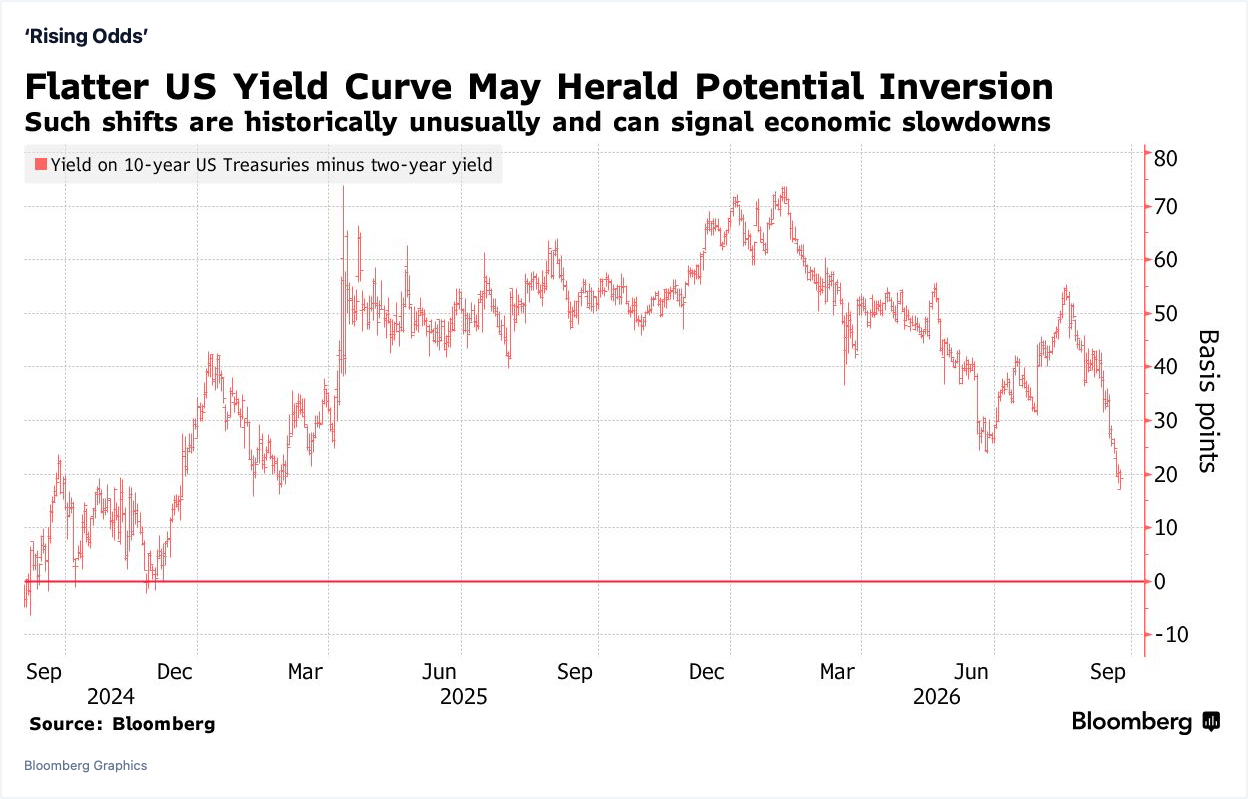
The US Treasury yield curve is rapidly flattening, with the spread between 10-year and 2-year yields narrowing to as little as 17 basis points, bringing the bond market to the verge of an inversion. Following the Federal Reserve's first interest rate hike in three years and signals of further tightening, bond investors are increasingly pricing in the risk that the Fed's aggressive campaign to tame inflation could end up stalling economic growth.
Market participants remain sharply divided on whether an inversion is imminent and what it portends for the broader economy. While some portfolio managers anticipate that further tightening will drive an inversion across key tenors as growth worries mount, other strategists believe substantial rate hikes are already priced into the short end; furthermore, resilient consumer spending, ongoing AI capital expenditures, and supportive fiscal policy could keep the economy afloat and prevent a downturn. (Key numbers: 2, 10)
The flattening trend is sending ripples across financial markets, hitting bank shares particularly hard by squeezing net interest margins and pushing the KBW Bank Index into a technical correction with a 10% pullback. Although an inverted yield curve has historically preceded recessions, its predictive reliability has faced scrutiny in recent years, leaving investors and analysts closely watching upcoming macroeconomic indicators and Fed rhetoric to gauge whether the central bank risks making a policy mistake.