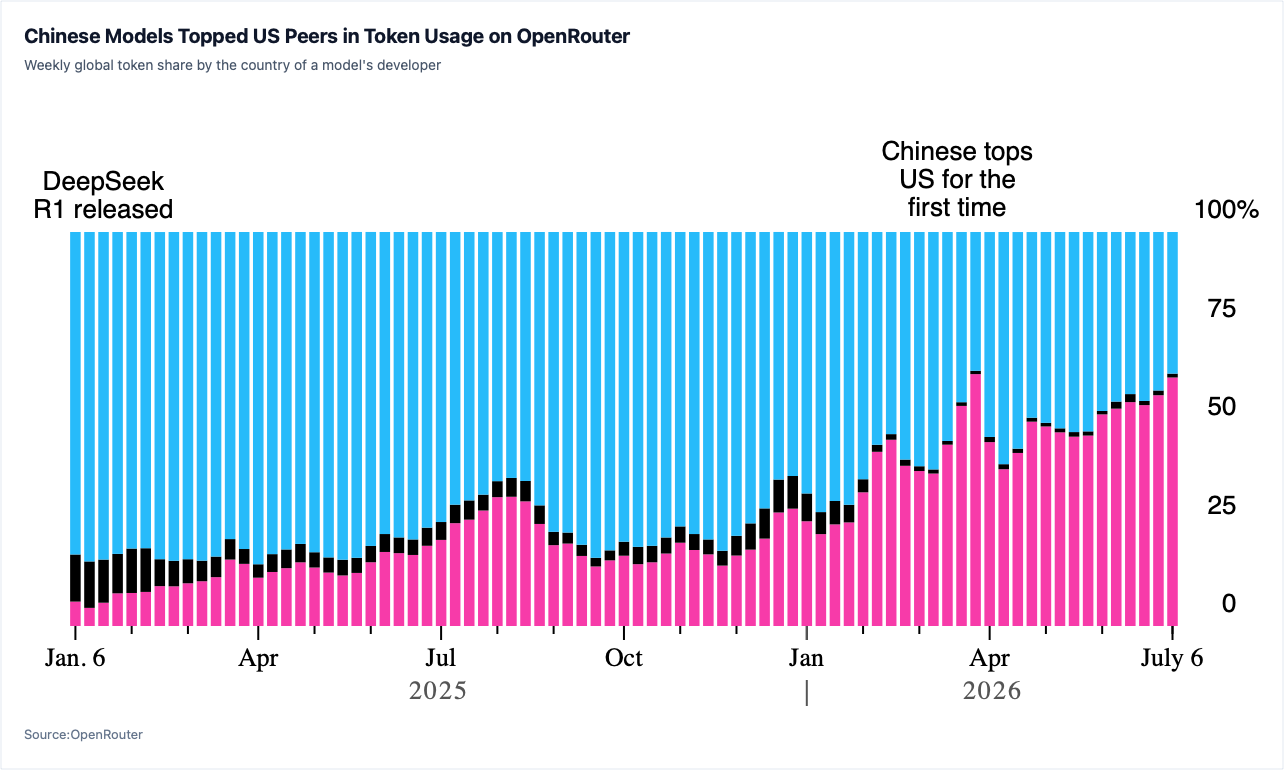
然而,若美国决定对中国开源模型实施禁令,将面临前所未有的挑战与反弹。目前中国模型在美国市场已获得广泛应用,包含许多矽谷新创与知名企业都在使用这些成本较低的替代方案。一旦实施全面限制,不仅难以执行,更可能严重扰乱美国使用者的日常营运与依赖开源基础设施的企业生态。
与此同时,针对如何应对此问题,美国政策圈内存在分歧,部分人士主张透过制造监管风险来吓阻企业,而另一方则呼吁决策应基于事实。另一方面,中国则积极在国际场合倡导人工智慧的开源与共享,试图扩大其全球影响力,这让美国及其盟友在制定保护主义政策时面临更复杂的地缘政治考量。
The US government is closely monitoring the rapid development of Chinese artificial intelligence models and considering sanctions against foreign models suspected of stealing American intellectual property. Both the US Trade Representative and the Treasury Secretary have expressed concerns, suggesting potential pressure on companies utilizing Chinese AI technology, which highlights Washington's growing alarm over China's global competitiveness in the field.
However, if the US decides to impose bans on China's open-weight models, it will face unprecedented challenges and significant pushback. Chinese models have already gained widespread traction in the US market, with many Silicon Valley startups and prominent enterprises adopting them as cost-effective alternatives. Implementing comprehensive restrictions would be difficult to enforce and could severely disrupt the daily operations of American users and the ecosystem of businesses relying on open-source infrastructure.
Meanwhile, the US policy circle remains divided on how to address this issue, with some advocating for creating regulatory risk to deter companies and others calling for fact-based decision-making. On the other hand, China is actively promoting open-source collaboration and AI sharing in international forums to expand its global influence, complicating the geopolitical considerations for the US and its allies when formulating protectionist policies.