与欧美等其他国家的动物园相比,日本动物园的门票价格极低,且缺乏私人捐赠与群众募资的文化。受限于公营体制,园方难以自行调涨票价来因应财务压力,低薪与人力短缺也导致照护品质面临挑战,甚至连引进海外动物或维持物种繁殖都变得日益困难。
全球动物园的发展趋势已逐渐转向生态保育与科学研究,但日本动物园在经费拮据的情况下,难以参与昂贵的国际保育计划。专家警告,日本动物园必须重新定义其存在价值并积极投入保育工作,否则不仅动物数量将持续锐减,更可能在未来数十年内面临大规模倒闭的命运。
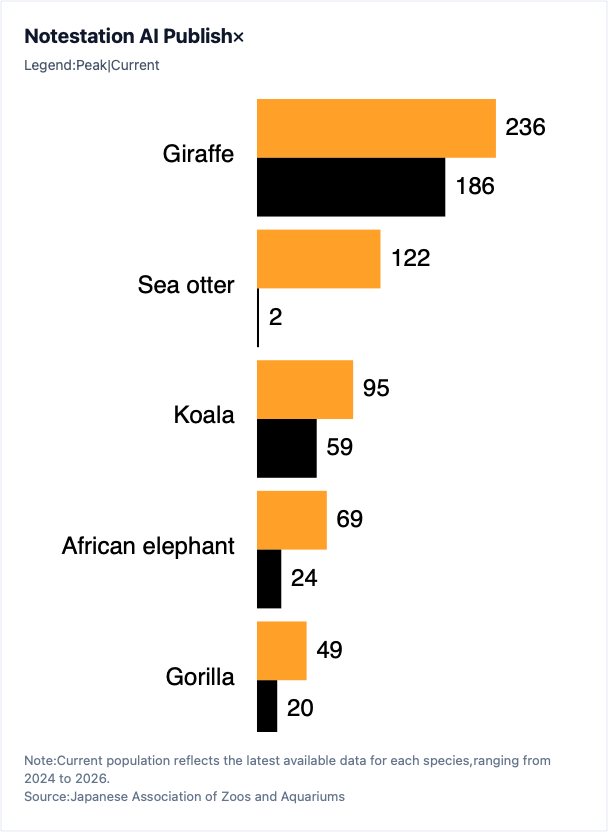
Zoos in Japan are highly popular and numerous, but they are currently facing a severe financial crisis. With over 80 percent of these facilities run by local municipalities, the shrinking and aging population has steadily eroded their tax-based funding, while global inflation has caused the costs of animal feed and energy to soar, making it incredibly difficult for many zoos to even sustain basic operations.
Compared to zoos in Western countries, Japanese zoos have strikingly low admission fees and lack a strong culture of private donations or fundraising. Constrained by their municipal ownership, zoo directors have little power to raise ticket prices to alleviate financial pressures, and low wages alongside staff shortages have created challenges for animal care, making it increasingly difficult to acquire animals from overseas or sustain breeding populations.
The global trend for zoos has shifted toward ecological conservation and scientific research, but cash-strapped Japanese zoos are struggling to participate in expensive international conservation programs. Experts warn that Japanese zoos must redefine their purpose and actively engage in conservation efforts; otherwise, they will not only see their animal populations continue to decline but could also face widespread closures in the coming decades.