目前市场参与度低下的部分原因在于时机过早。多数企业仍在探索AI技术,且AI资源的每月使用量难以预测。此外,相较于一般散户投资者更感兴趣的加密货币或体育赛事,AI运算资源如GPU租赁价格的概念过于复杂,导致产品与市场契合度不足。
随著AI技术的发展,专门针对AI模型代币(Token)价格的市场可能会成为未来企业避险的首选。虽然传统交易所目前在这一领域占有优势,但预测市场能够提供更精细、针对特定AI模型(如Claude或GPT)的客制化合约。未来,随著运算力期货合约的推出,预测市场作为AI避险工具的发展前景将面临传统衍生性金融商品的挑战与机遇。
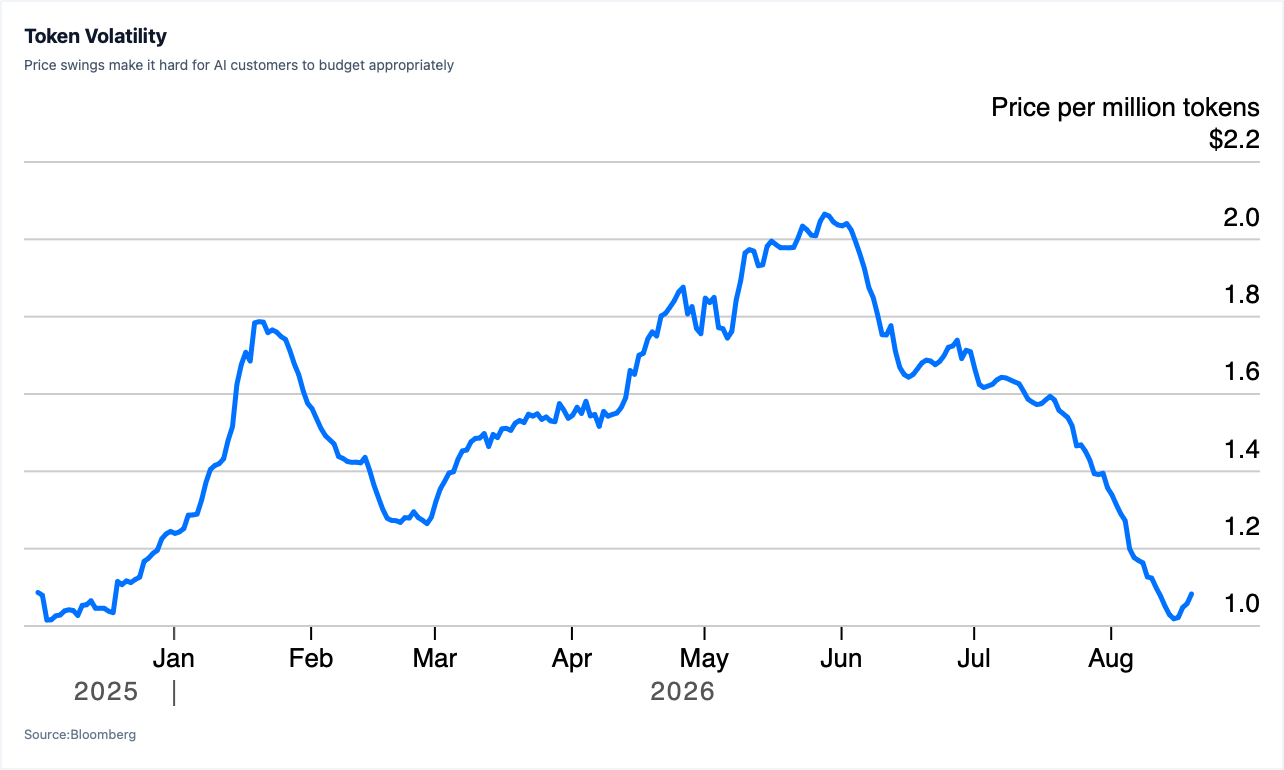
The artificial intelligence (AI) trading boom is driving investors to seek new ways to diversify their portfolios. Beyond traditional chipmaker stocks, prediction markets are beginning to offer a unique alternative, allowing for highly customized hedging against the rising costs of AI compute. However, despite their potential, current trading volumes remain extremely low, leading to a lack of liquidity and affecting prediction accuracy.
Part of the reason for the low market participation is that it is simply too early in the cycle. Most businesses are still exploring AI technology, and monthly usage of AI resources is highly unpredictable. Additionally, compared to crypto or sports betting which attract retail investors, the concept of AI compute resources like GPU rental prices is too complex, resulting in a lack of product-market fit.
As AI technology progresses, markets dedicated to AI model token prices could become the preferred choice for corporate hedging in the future. While traditional exchanges currently have an edge in this space, prediction markets can offer more granular, customized contracts targeting specific AI models (such as Claude or GPT). Looking ahead, with the introduction of compute futures contracts, the prospects of prediction markets as an AI hedging tool will face both challenges and opportunities from traditional derivatives.