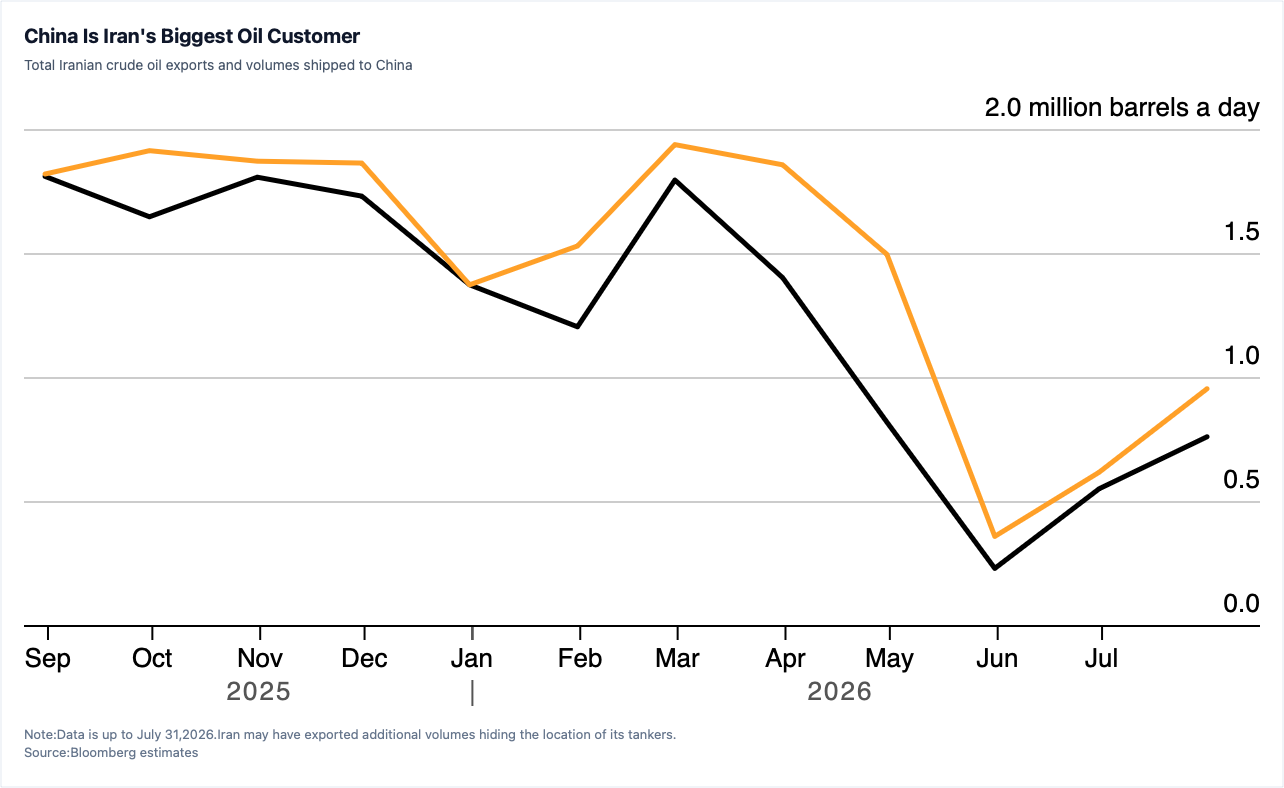
为迫使伊朗妥协并解除对荷姆兹海峡的控制,川普政府推出「经济弃儿行动」,威胁对伊朗贸易伙伴实施次级制裁。然而,由于主要买家中国承接了伊朗约九成的石油出口,若美国不敢直接针对中国大型企业与金融机构进行制裁,单靠现有措施难以彻底切断伊朗的经济命脉,同时阿联切断经贸往来与土耳其的能源依赖也让区域局势更加复杂。(关键数字:90)
尽管面临严峻封锁与经济衰退,伊朗凭借数十年应对制裁的经验、空壳公司、影子船队以及「抵抗经济」政策,转向里海与铁路陆路维持非荷姆兹海峡的贸易。虽然物价飙涨与货币贬值引发民众生活困难与抗议风险,但伊斯兰革命卫队对政权的强力控制以及反美以情绪的高涨,使得伊朗政府短期内仍展现出高度的承受力与韧性。
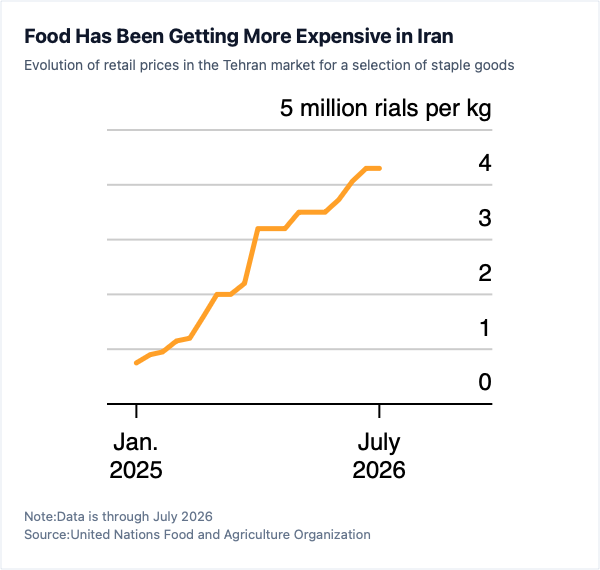
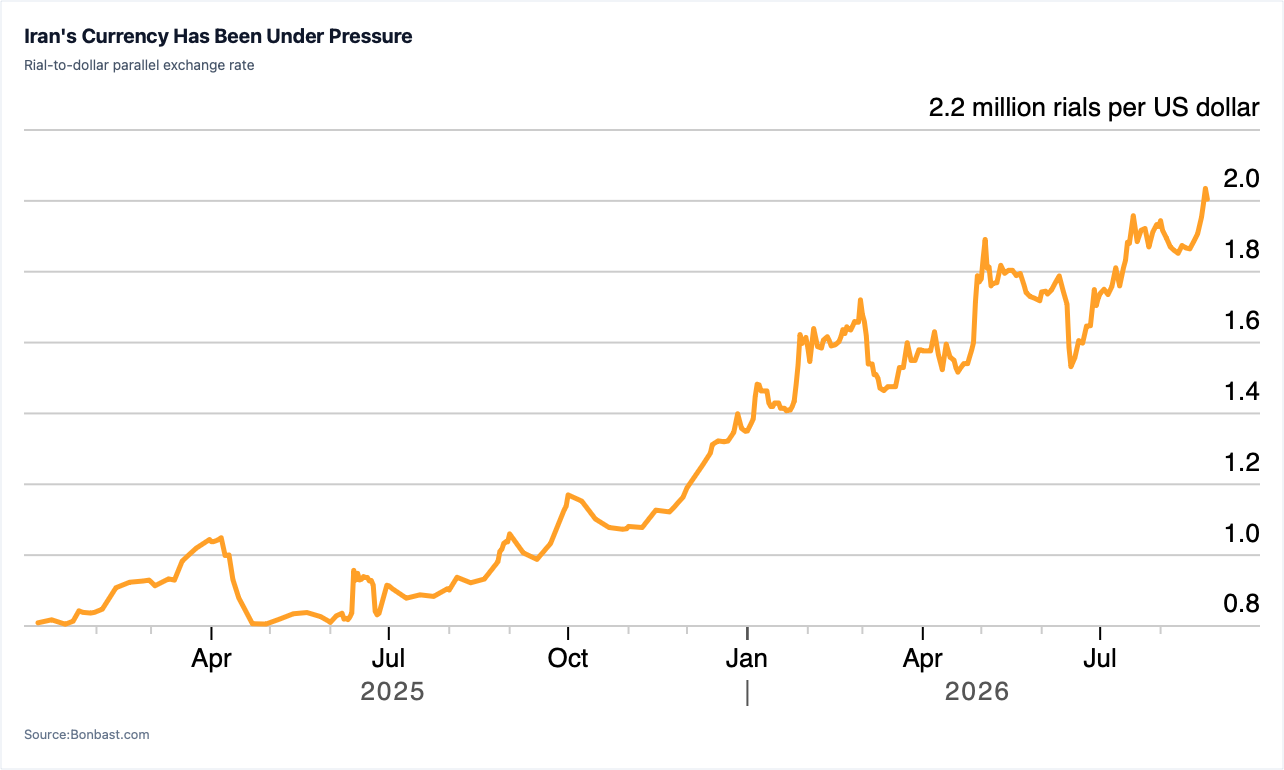
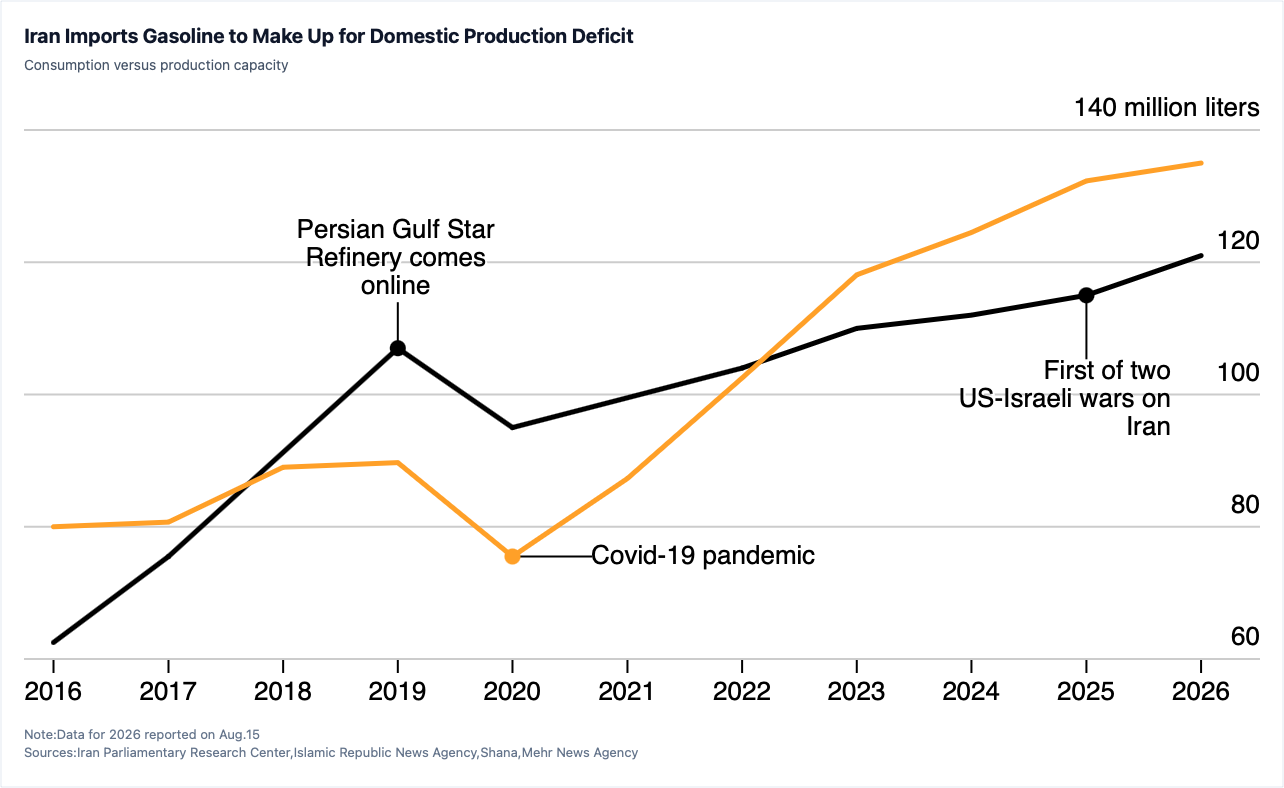
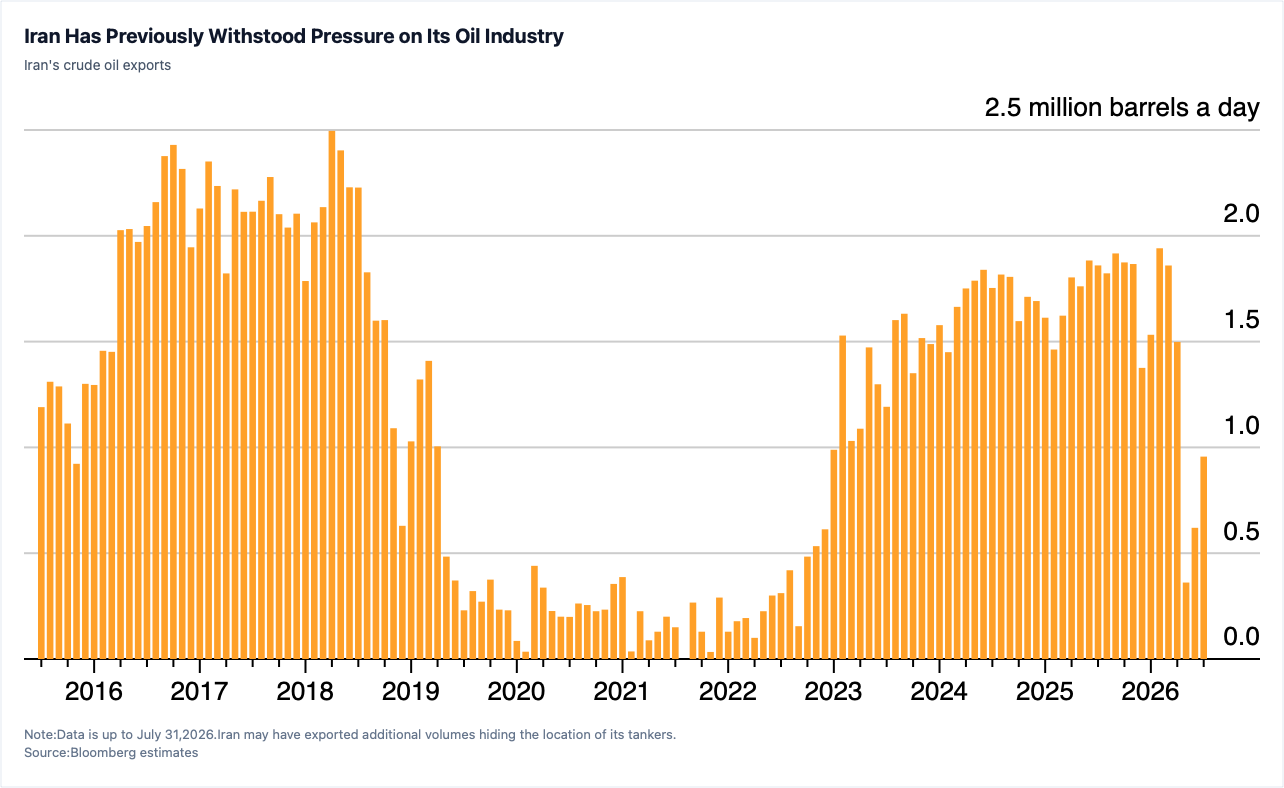
Even before the conflict with the US and Israel, Iran's economy was already struggling with severe inflation, currency depreciation, and prolonged sanctions. The war worsened these conditions as airstrikes caused immense infrastructure damage, substantial economic loss, and thousands of casualties, while the US naval blockade on Gulf ports severed crucial oil and industrial exports, intensifying foreign currency shortages and domestic fuel deficits.
The Trump administration launched 'Operation Economic Outcast' to force Iran into capitulation and release its grip on the Strait of Hormuz by threatening secondary sanctions against its trading partners. However, because China purchases roughly 90% of Iran's oil exports, analysts note that the strategy will fail to fully suffocate Tehran unless Washington takes the high-risk step of directly penalizing major Chinese buyers and financial institutions.
Despite facing severe economic strain and contraction, Iran continues to resist through decades of sanctions-evasion experience, dark tanker fleets, and its long-standing 'economic resistance' doctrine utilizing overland railways and Caspian Sea routes. While high inflation and living costs risk sparking domestic unrest, tight security enforcement by the Islamic Revolutionary Guard Corps and wartime nationalism have so far shielded the regime from imminent collapse.