过去主要保留给创投与超级富豪的未上市股权,如今被包装成各类金融产品向大众推广,却也衍生出巨大的结构性风险。虽然部分投资人获利丰厚,但诸如特殊目的载体(SPV)收费繁杂、未获公司授权转让、以及封闭型基金价格大幅偏离净值等问题层出不穷,加上标的企业动辄上兆美元的超高估值,大幅拉高了投资人的操作风险。
面对这股未上市股权投资热潮,资产管理机构与券商纷纷推出各类创新基金以抢占市场,而投资人的应对心态亦大相径庭。部分投资人保持高度审慎,仅配置极小比例资金进行长期创业投资并做好归零打算;另一部分保守型散户则将大部分资金存放于防御性资产,仅利用少数资金押注 AI 概念基金以图短期获利。
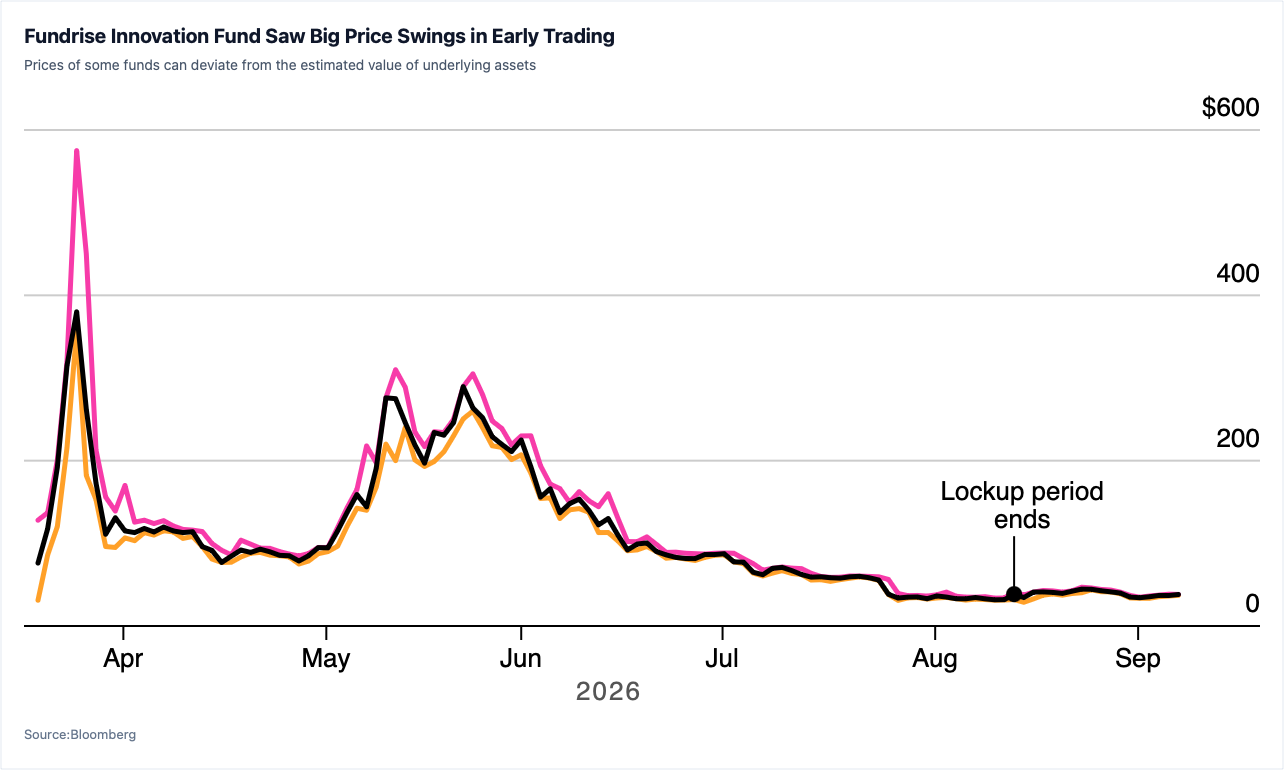
Ahead of Anthropic's blockbuster initial public offering, retail investors are aggressively pursuing every possible avenue to gain exposure to the artificial intelligence giant. Energized by the prior investing frenzy around SpaceX's IPO, many individual investors view Anthropic and OpenAI as rare, lucrative opportunities, willingly committing substantial portions of their savings despite previous frustrations with high fees, lockup periods, and trading hurdles.
Investments once reserved exclusively for venture firms and the ultra-wealthy are now increasingly packaged for retail audiences, bringing complex structural risks and market friction to the forefront. While some investors have achieved enormous paper gains, others face volatile secondary-fund price swings, multilayered fee structures, and regulatory crackdowns on unauthorized share transfers, all magnified by staggering multi-trillion-dollar pre-IPO valuations.
As brokerage platforms and fund managers race to satisfy retail demand with exotic investment products, individuals are adopting sharply contrasting risk-management strategies. Some skeptical participants allocate less than one percent of their portfolios to early-stage venture funds while bracing for complete loss, whereas conservative retirees keep the bulk of their wealth in safe fixed-income assets and use a small speculative slice to capitalize on the fleeting AI hype.