面对日本人口老化与佛教信徒近二十年来减少约14%的趋势,加上通膨导致木造建筑维护与护身符制作成本飙涨,许多寺院陷入财务危机,约半数寺庙年收入不足400万日圆,传统仰赖葬礼和法事的收入模式已难以维持其运作。
尽管佛门戒律要求远离贪欲,令追求获利与宗教教义产生道德冲突,但为了避免寺庙消亡,愈来愈多佛教宗派与寺院开始转向保守防御型投资,例如将资金配置于外币保险产品或持有到期的政府债券与公司债,宗教组织正逐步成为固定收益市场的重要力量。
Koukyo Yoneta, a Buddhist priest at Kongo-ji temple in Hokkaido, broke with tradition by investing temple donations into financial markets to cover roughly ¥25 million in repairs for the century-old temple, achieving over 10% annual returns through US Treasuries, Japanese REITs, and stocks like BYD and Hyundai, which allowed him to fund and even expand the renovations.
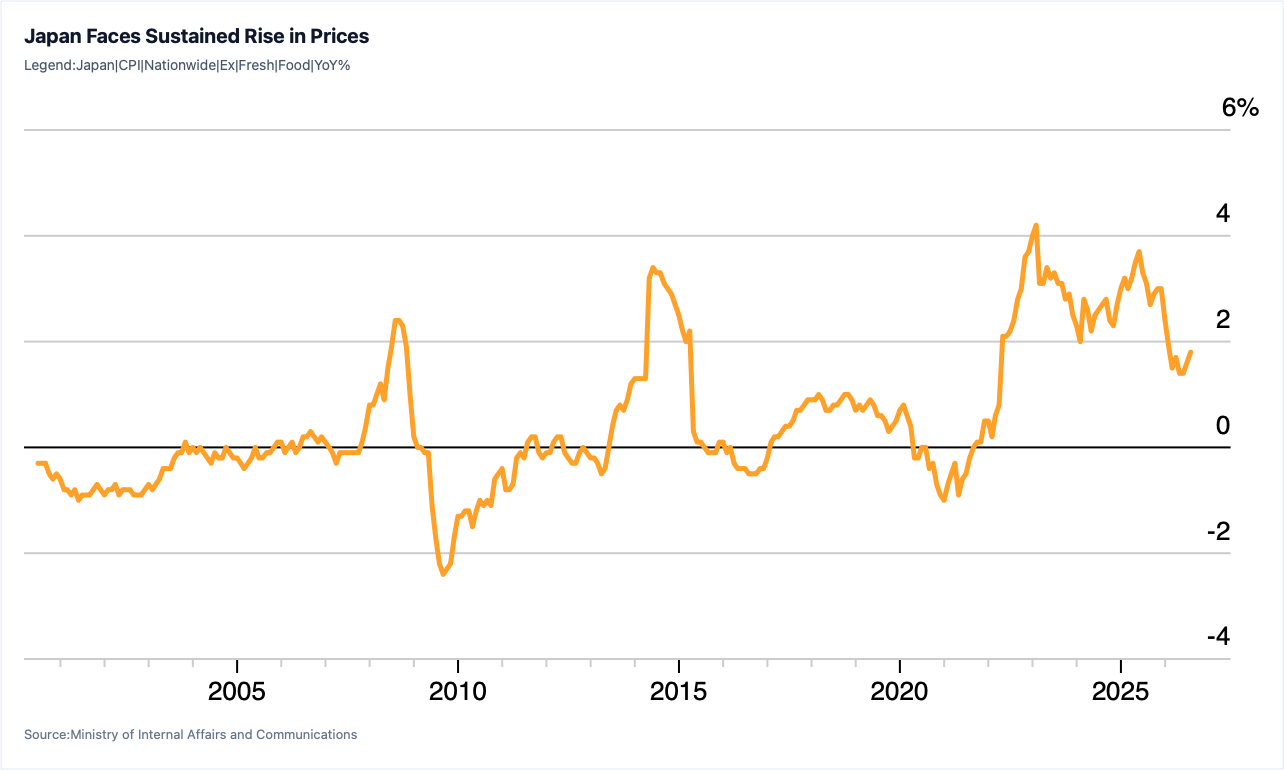
Japanese temples are facing severe financial distress driven by an aging society, a 14% decline in the Buddhist population over the past two decades, and surging upkeep and production costs caused by persistent inflation, leaving roughly half of all temples with an annual income below ¥4 million as traditional revenues from funerals and memorial services shrink.
Although seeking investment profits poses a moral dilemma for monks whose teachings emphasize detachment from greed, temples are increasingly adopting defensive asset management strategies—such as holding foreign-currency insurance and government bonds to maturity—to ensure their survival, turning religious and non-profit organizations into a growing presence in the fixed-income market.