面对难以界定且估值高涨的 AI 周期,诸如洛杉矶县雇员退休协会(LACERA)及加州公务员退休基金(CalPERS)等机构纷纷展开持仓审查,评估整体投资组合对 AI 的曝险程度。尽管部分基金经理人担忧过度限制曝险会错失市场亮眼回报,但分析师与投资主管普遍认为当前 AI 基础设施的过度支出终将面临周期性调整,历史上铁路或网路泡沫的过度投资风险恐将重演,直接危及广大退休基金持有者的长期资产安全。
为了准确衡量跨资产风险,各大退休基金纷纷舍弃过往的单一资产类别划分,转向采用「全投资组合途径」(Total Portfolio Approach, TPA),并结合量化模型与 AI 工具来追踪资产与主题之间的相关性。尽管澳洲 Aware Super 与 Marsh 等机构积极升级内部投资平台与分析系统,但由于 AI 技术扩散速度过快且影响深远,投资主管仍需不断提高评估频率与解析度,以应对资本过度支出及市场随时可能发生的回档冲击。
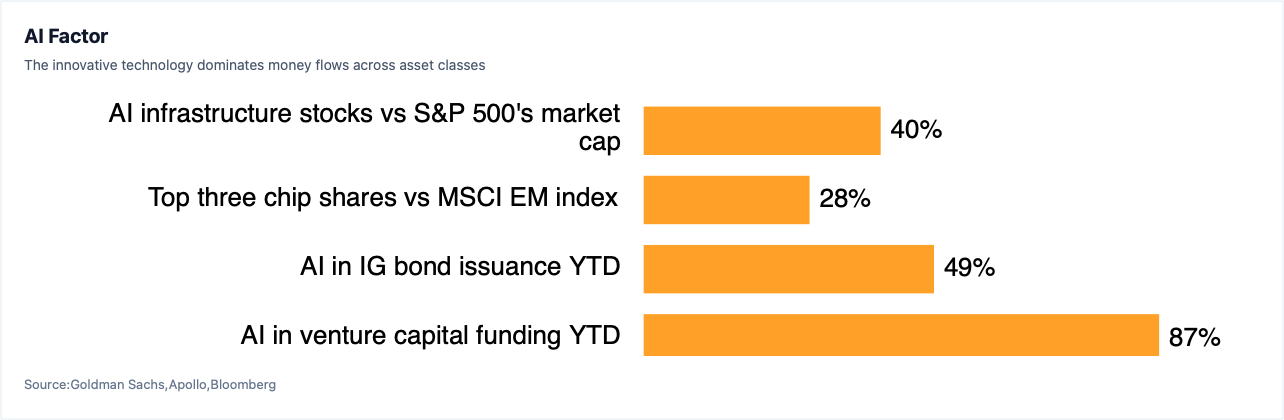
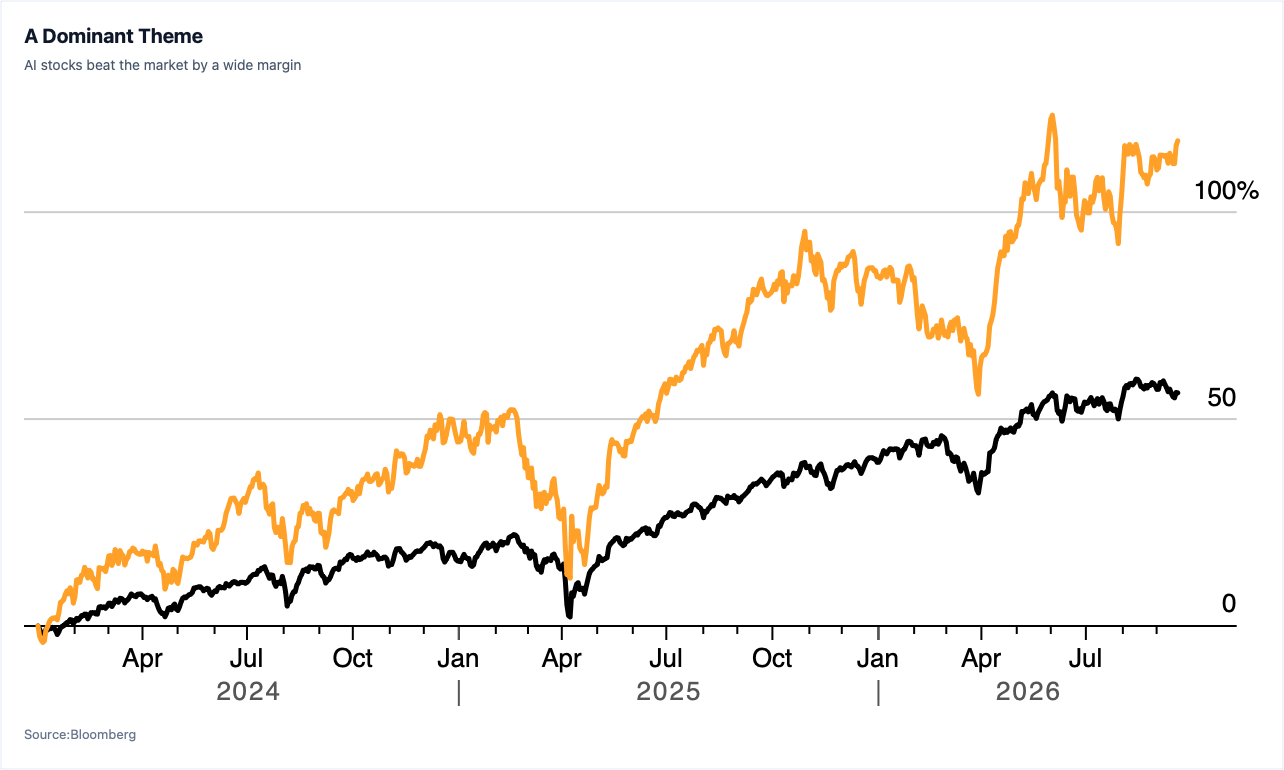
Major institutional investors, such as the New York City Retirement Systems (NYCRS), are facing significant challenges as the artificial intelligence boom permeates across public equities, private equity, corporate debt, and infrastructure, turning traditional portfolio diversification into an illusion and creating systemic risk. According to data from Goldman Sachs and Apollo, AI-related infrastructure and tech companies now comprise about 40% of the S&P 500's market capitalization, account for nearly half of investment-grade bond issuances, and capture over 80% of venture capital funding, with complex circular financing among tech giants further concentrating market vulnerabilities.
Confronted with an ill-defined and highly valued AI investment cycle, pensions like the Los Angeles County Employees Retirement Association (LACERA) and CalPERS are conducting comprehensive reviews to quantify their exposure to the theme. While some fund managers caution that capping AI exposure could hurt performance amid market-leading gains, chief investment officers warn that massive infrastructure spending will eventually reach capacity—mirroring past historical bubbles such as railroads and the early internet—posing serious threats to the retirement security of millions if a sharp market downturn occurs.
To better monitor cross-asset concentration, major institutional asset owners are increasingly adopting the Total Portfolio Approach (TPA) and deploying quantitative models alongside AI-powered analytics to measure underlying correlations across disparate investments. Although organizations like Australia's Aware Super and Marsh Investments have upgraded their data infrastructures to map direct and indirect AI linkages, investment chiefs acknowledge that the rapid evolution of the technology requires constantly updating risk models to identify vulnerabilities and guard against excessive capital expenditure shocks.