尽管ELS产品在股价维持于预设区间内时能提供诱人票息,但当市场大幅下跌时,投资者可能面临严重亏损。过去中国相关ELS产品曾令韩国投资者蒙受巨额损失,2016年英国脱欧、2020年油价崩盘及2021至2024年中国股市下挫均对市场造成冲击。专家警告,强势企业并不等同于安全的进场价格,投资者不应混淆两者。
南韩金融监督院将于下月起加强对结构性产品的监管,要求券商在ELS产品接近触发(knock-in)水准时向投资者发出警告,并在市场状况显著增加投资者风险时重新审视产品。此外,随著隐含波动率下降,分析师预期ELS发行量可能放缓,因为较低的选择权溢价将削弱发行商提供高票息的能力。(关键数字:200)
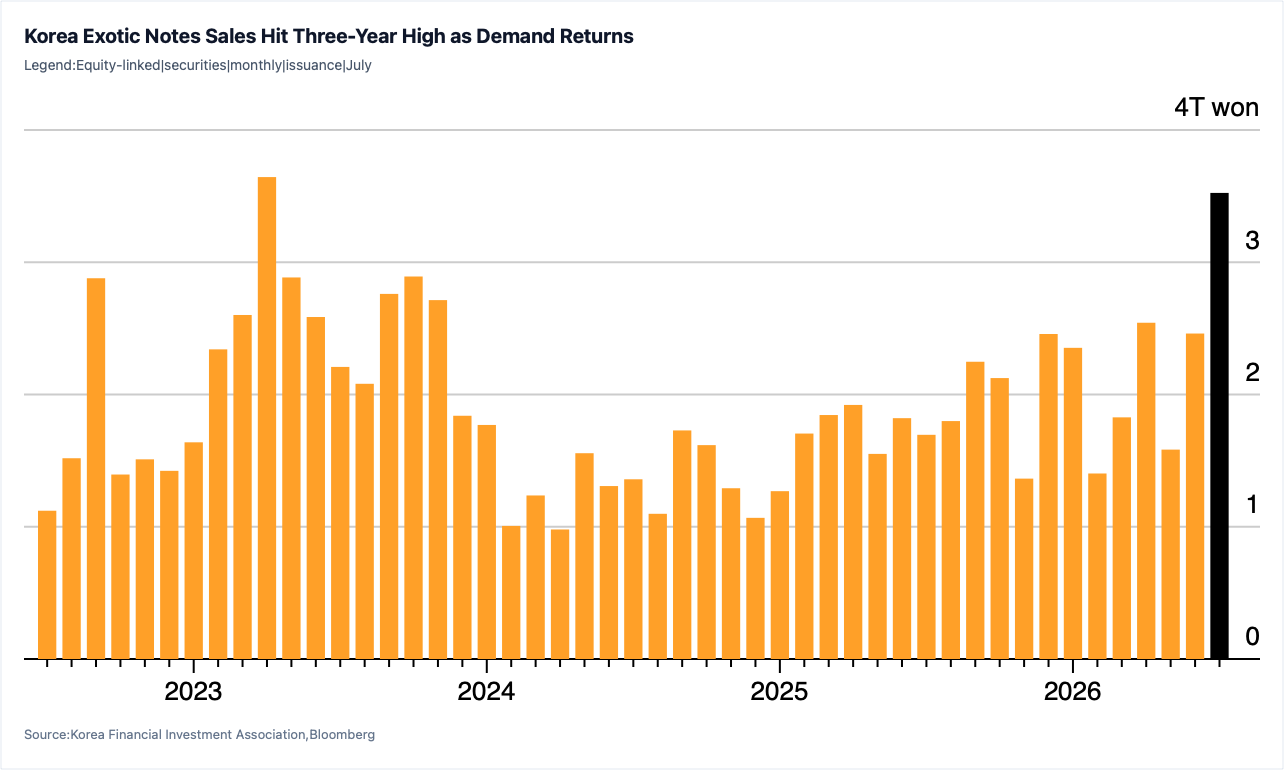
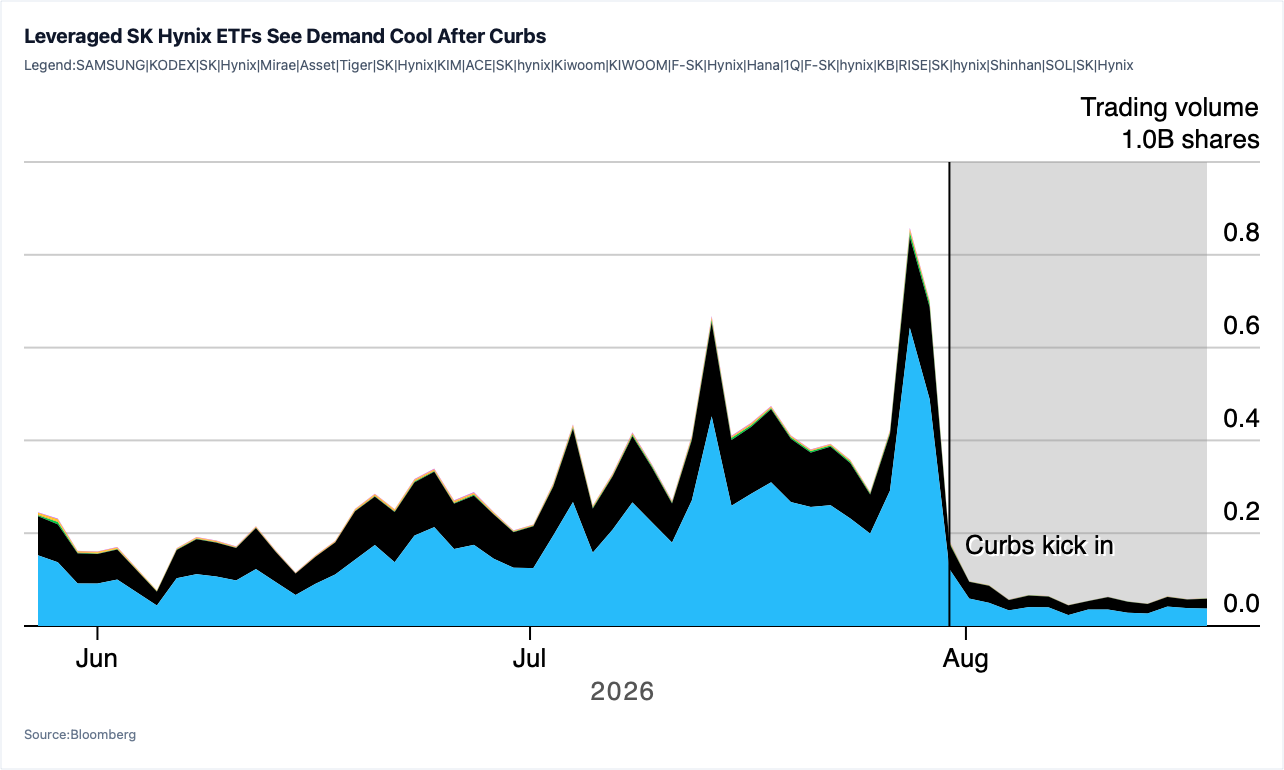
A historic stock selloff in South Korea has pushed retail investors toward equity-linked securities offering annualized coupons of 40% to 50%, with July sales reaching over 3.5 trillion won—the highest level in more than three years. Products tied to Samsung Electronics and SK Hynix have been especially popular, as regulators simultaneously curbed demand for single-stock leveraged ETFs blamed for amplifying market volatility during the Kospi's steep decline.
While the post-correction environment has created seemingly attractive entry points for ELS products, these instruments carry significant downside risk. Investors can lose their entire principal if the underlying stocks plunge sharply. Historical precedents including the Brexit shock, the 2020 oil crash, and the prolonged China stock slump have previously inflicted heavy losses on Korean ELS holders, and regulators found that some major brokers had misrepresented risky China-linked products to retail clients.
South Korea's Financial Supervisory Service will tighten oversight of structured products starting next month, mandating that brokerages alert ELS investors when products approach knock-in thresholds and reassess offerings under heightened market risk. Meanwhile, analysts expect ELS issuance to moderate as implied volatility declines from elevated levels, reducing the option premiums that enable issuers to offer high coupons, even though the Kospi 200 Volatility Index remains well above its five-year average.