实现此计划面临著巨大的技术挑战,特别是如何在接近真空的太空中为高耗能晶片散热,以及防止宇宙辐射破坏电子零件。SpaceX 计划采用类似国际太空站的液冷回路系统与大型散热器来解决散热问题,并将运算单元集中放置以减少防护辐射所需的材料与重量。
除了技术难题,该计划还引发了环境与经济方面的担忧。频繁汰换并在穿越大气层时烧毁卫星可能会造成金属污染,而巨大的太阳能板也增加了与太空垃圾碰撞的风险;尽管 SpaceX 正积极整合供应链以降低成本,但在太空中建置资料中心的整体效益是否能与地面设施竞争,仍备受专家质疑。
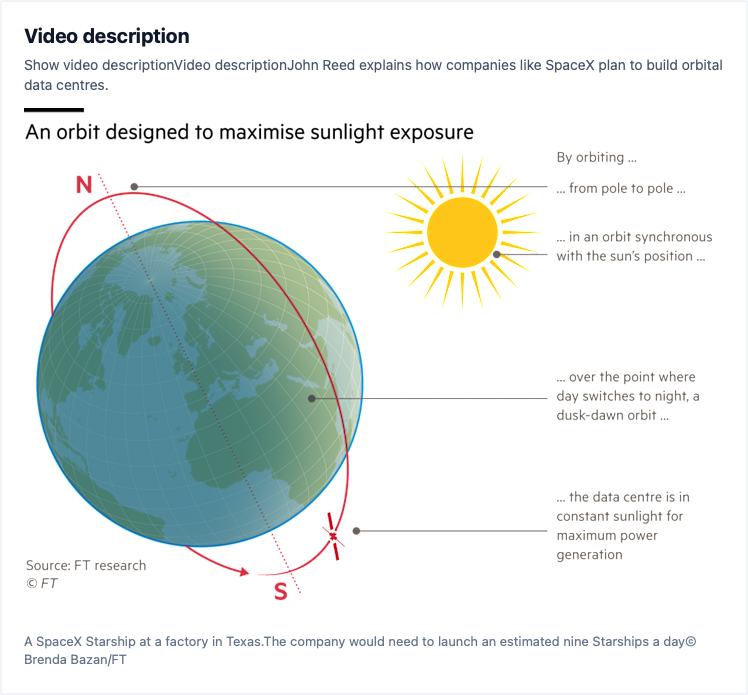
SpaceX is planning to use its Starship rocket to build orbital artificial intelligence data centers called "Starmind" in space, with the first satellites equipped with AI chips expected to launch as early as 2027. To achieve the ambitious goal of a constellation with a million satellites, the company will need to reach a launch frequency of thousands of rockets per year in the future, which will significantly test its rocket reusability and launch cadence.
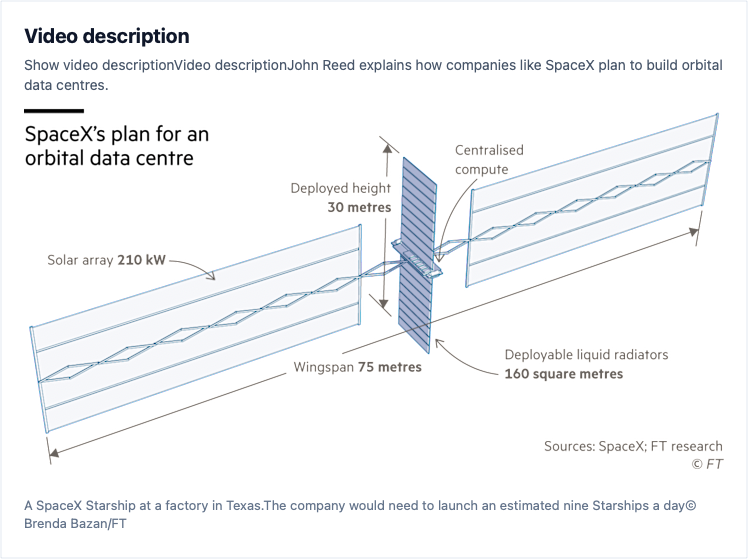
Realizing this plan presents tremendous technical challenges, particularly regarding how to dissipate heat for power-hungry chips in the near-vacuum of space and how to protect electronic components from cosmic radiation damage. SpaceX plans to adopt a liquid-cooling loop system and large radiators similar to those on the International Space Station for cooling, and will centralize compute units to reduce the materials and mass needed for radiation shielding.
Beyond technical hurdles, the project has also raised environmental and economic concerns. Frequently replacing and incinerating satellites in the atmosphere could lead to metal pollution, and the massive solar panels increase the risk of collisions with space debris; although SpaceX is actively vertically integrating its supply chain to reduce costs, experts still question whether the overall viability of building data centers in space can compete with ground-based facilities.