尽管美国的无家可归者人数在2024至2025年间下降了3%,但仍比疫情前高出31%。在市长迈克·约翰斯顿的领导下,丹佛市实施了一项务实的解决方案,使露宿街头的人数减少了64%,并在2025至2026年间使无家可归者总数减少了约12%。
该计划耗资1.58亿美元,其中一半来自联邦疫情救助资金,丹佛借此增加了1000个收容单元,包括造价为2.5万美元的微型住宅。与采取粗暴禁令的其他城市不同,丹佛允许入住者携带宠物和个人物品,从而能够同时将整个帐篷营地转移到室内。
尽管取得了这些成效,挑战依然存在,因为离开市立收容所的人中约有三分之一最终重返街头、入狱或死亡。此外,迫在眉睫的预算收紧以及联邦住房券的减少,可能会威胁到这一模式的可持续性。
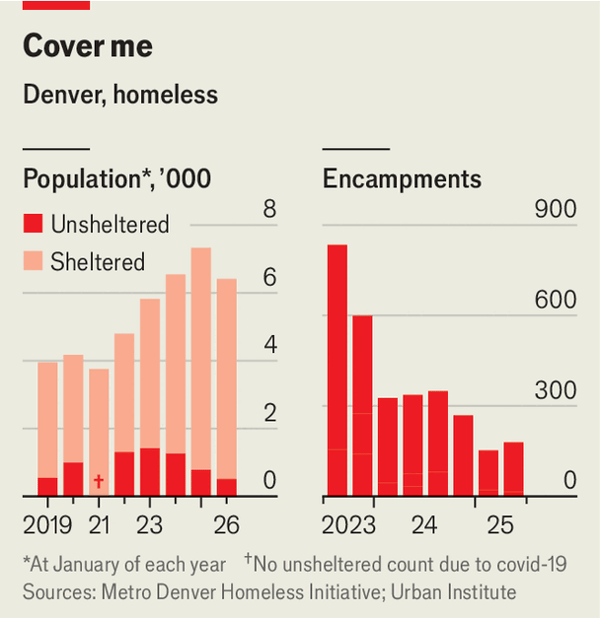
Although US homelessness fell by 3% between 2024 and 2025, it remains 31% higher than before the pandemic. Under Mayor Mike Johnston, Denver has implemented a pragmatic solution that has reduced its unsheltered population by 64% and its total homeless population by 12% between 2025 and 2026.
Funded by a $158 million initiative, half of which came from federal pandemic relief, Denver added 1,000 shelter units, including $25,000 tiny homes. Unlike other cities with blunt bans, Denver allowed residents to keep pets and belongings, enabling the city to bring entire encampments indoors simultaneously.
Despite these achievements, challenges persist, as about one-third of those leaving city shelters end up back on the streets, in jail, or dead. Furthermore, a looming budget crunch and the reduction of federal vouchers could threaten the sustainability of this model.
Source: As American cities grapple with homelessness, one offers a fix
Subtitle: Denver’s answer to a stubborn problem
Dateline: 6月 18, 2026 03:46 上午 | DENVER