佩洛西于2022年访台后,中国向台湾及日本专属经济区发射弹道导弹,引发日本舆论与政界重大转折。2022年5月乌克兰战争已令超过60%的日本受访者支持强化防卫,但导弹事件后,约同等比例支持日本获取“反击能力”。到2022年底,反对增防预算的声音转向“如何筹资”,为后续政策铺路。政府随后发布新版国家安全战略,将中国定为“最大战略挑战”,并推出国家防卫战略以及五年军备计划,放弃长期的GDP 1%军费上限,目标在2027财政年度提升至2%(当前约1.8%,低于北约平均2.71%)。
这一“觉醒时刻”推动日本防卫产业快速扩张,三菱重工等承包商为国内与海外客户扩大产能;企业界亦受冲击,至2024年初已有逾38%的大型日本公司设立经济安全部门,显现对中风险敏感度上升。政府在2022年中启动经济安全项目后,企业普遍认为其政策指引作用增强。整体环境促成对提升军备与涉台政策的支持度攀升。
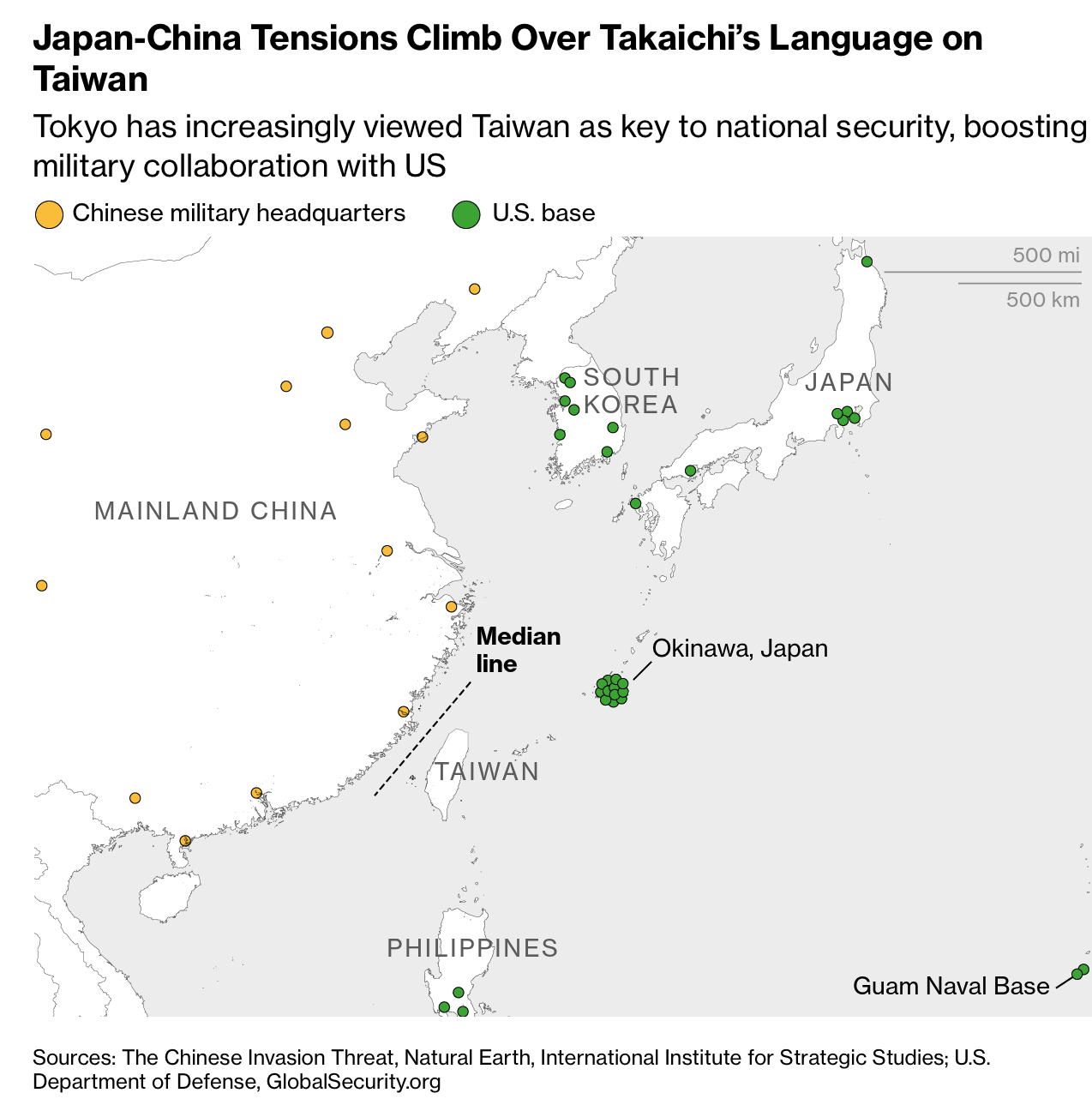
2025年11月,高市早苗指出若中国武力夺台将构成日本的“存亡危机事态”,可能允许动用自卫队并与美国协同,引发中国反制;然国内支持率升至约70%,达近二十年来新高。日本在军事姿态与战略自信上的转折,虽非佩洛西访台时的预期结果,却形成持续性的政策重构,被视为“新时代的开端”。
After Nancy Pelosi’s 2022 visit to Taiwan, China fired ballistic missiles over Taiwan and into Japan’s exclusive economic zone, triggering a political shift in Japan. By May 2022, Russia’s invasion of Ukraine had already pushed over 60% of Japanese respondents to support strengthening defense, but after the missile incident a similar share backed acquiring “counterstrike capabilities.” By late 2022, parliamentary debate shifted from opposing higher defense spending to how to finance it. The government then issued a new National Security Strategy naming China the “greatest strategic challenge,” adopted a National Defense Strategy, and approved a five-year buildup plan abandoning the long-standing 1%-of-GDP cap and targeting 2% by FY2027 (current spending ≈1.8%, below NATO’s 2.71% average).
This “awakening moment” accelerated growth in Japan’s defense industry, with Mitsubishi Heavy Industries and others expanding capacity for domestic and foreign buyers. Corporate awareness also changed: by early 2024 more than 38% of major Japanese firms had created economic-security units, reflecting heightened concern about China. Following Tokyo’s 2022 economic-security framework, companies increasingly viewed the government as providing strategic guidance. This environment helped drive rising support for stronger defense and a more assertive Taiwan stance.
In November 2025, Prime Minister Sanae Takaichi stated that a Chinese attack on Taiwan could constitute a “survival-threatening situation” for Japan, enabling deployment of the Self-Defense Forces jointly with the US. China retaliated economically, but domestic approval for Takaichi climbed to roughly 70%, the highest for a Japanese leader in two decades. Japan’s military buildup and new strategic confidence—unforeseen consequences of Pelosi’s trip—are now seen as the start of a new era.