1月7日,总统宣布在11月中期选举之前发起一项运动,禁止机构投资者购买独栋住宅。Searchlight在7月进行的一项民调显示,48%的受访者把投资者利润视为高住房成本的重要原因,而昂贵材料为46%,移民为17%。
Cotality估计,投资者在2025年前9个月购买了美国售出的独栋住宅约30%,高于2021年之前不到20%的水平。多数投资者购买是小规模的:14%的销售流向拥有少于10套房产的投资者,11%流向拥有10到100套的所有者,而只有5%流向更大的机构巨头。
AEI估计,公司房东拥有的全国独栋住宅存量份额不到1%,而该份额仅在3,000多个县中的22个县超过5%。Amherst表示,其20万名独栋住宅住户中约85%将不符合获得抵押贷款的资格,并将该资产描述为大约8%的总回报、低波动投资,受到2007–09年之后抵押贷款限制的塑造。
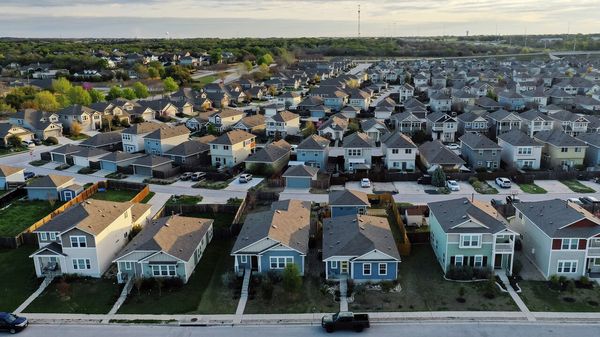
On January 7 the president announced a campaign to ban institutional investors from buying single-family properties ahead of November midterm elections. In a July Searchlight poll, 48% cited investor profits as an important reason for high housing costs, versus 46% for expensive materials and 17% for immigration.
Cotality estimates investors bought about 30% of U.S. single-family homes sold in the first nine months of 2025, up from below 20% before 2021. Most investor purchases were small-scale: 14% of sales went to investors with fewer than ten properties, 11% to owners of ten to 100, and only 5% to larger institutional giants.
AEI estimates corporate landlords own less than 1% of the national single-family housing stock, and the share exceeds 5% in only 22 of more than 3,000 counties. Amherst says about 85% of its 200,000 single-family-home residents would not qualify for mortgages, and describes the asset as roughly an 8% total-return, low-volatility investment shaped by post-2007–09 mortgage constraints.
Source: Why America’s corporate landlords are not villains
Subtitle: Restricting ownership will probably make housing less rather than more affordable
Dateline: 1月 15, 2026 05:52 上午