在工业革命之前,人口与人均收入在数千年里几乎保持不变;人均收入从罗马时期约 1,100 美元(按现值)仅升至 18 世纪末约 1,500 美元。随后 200 年里全球财富爆炸式增长:人口增长 6 倍、人均收入增长 10 倍、贫困大幅后退;人工智能(AI)被宣称将成为下一次同量级的跃迁。
文章主张,当下增长前景受限与其说是缺少技术与聪明才智,不如说是政治、政府干预与糟糕的经济学。它强调技术与自由市场中的规模经济与递增收益会自然催生大而强的企业,并警告以“集中=市场失灵”为由的拆分式政策会抬高成本、削弱创新激励、损害增长,同时更赞同美国反垄断对排他性行为的聚焦而非欧盟对“剥削性滥用”(过高定价)的取向。
关键不在于某家公司当下份额有多大,而在于进入是否被阻断;在更多情况下,政府通过许可、配额、专有权或行政壁垒阻断进入。文本提出让“受监管”与“未受监管”细分市场并存以对监管者施加市场约束,并以阿根廷金融工具试点带来未受监管市场繁荣与受监管市场费用压缩为例,同时以私人灯塔、国家公园特许经营与定向授粉等案例说明市场也能为公共品与外部性提供更高效的解决方案。
Until the Industrial Revolution, population and income per head were virtually constant for several millennia; income per head moved from about $1,100 (in current dollars) in Roman times to only about $1,500 by the end of the 18th century. Over the following 200 years global wealth exploded: population rose six-fold, income per head rose ten-fold, and poverty receded dramatically; artificial intelligence (AI) is cast as the next leap of similar magnitude.
The argument is that today’s growth prospects are constrained less by a lack of technology or wit than by politics, government intervention, and bad economics. It stresses that increasing returns to scale and economies of scale in technology and free markets naturally produce large dominant firms, and warns that breakup-style policy raises costs, dulls innovation incentives, and harms growth, while favoring the American antitrust focus on exclusionary conduct over the European Union’s “exploitative abuse” (excessive pricing) approach.
The decisive test is not current market share but whether entry is blocked; more often than not, government blocks entry via licences, quotas, exclusive rights, or administrative barriers. The text proposes letting regulated and unregulated segments coexist to discipline regulators, citing Argentina’s financial-instrument experiments that produced unregulated-market blossoming and fee compression in regulated markets, and it points to private lighthouses, park concessions, and targeted bee pollination as market solutions to public goods and externalities.
Source: Javier Milei: Rein in regulators, not big companies
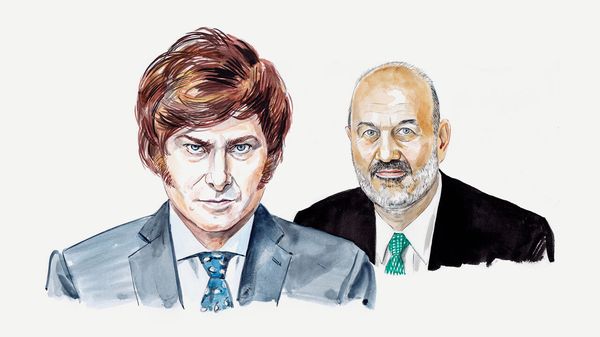
Subtitle: Argentina’s president and Federico Sturzenegger, his deregulation minister, call for a radical rethink on government meddling
Dateline: 1月 15, 2026 06:24 上午