NBER最新研究指出,本次升息周期之所以未酿成灾难,主因在于美国实质政策利率增幅较小、多数国家拥有更充裕的财政缓冲空间以减轻紧缩冲击,以及新兴市场具备更高的外汇存底与更低的美元负债占比,显著降低了外部冲击的脆弱性。
此外,现代新兴市场已大幅摆脱依赖外币借款与固定汇率的「原罪」,建立起成熟的本币债券市场与独立的央行体系。具备政策信誉的新兴经济体得以灵活调整货币政策,证明整体新兴市场已不再是过去那般脆弱且容易爆发全面性危机。(关键数字:2022-2023)
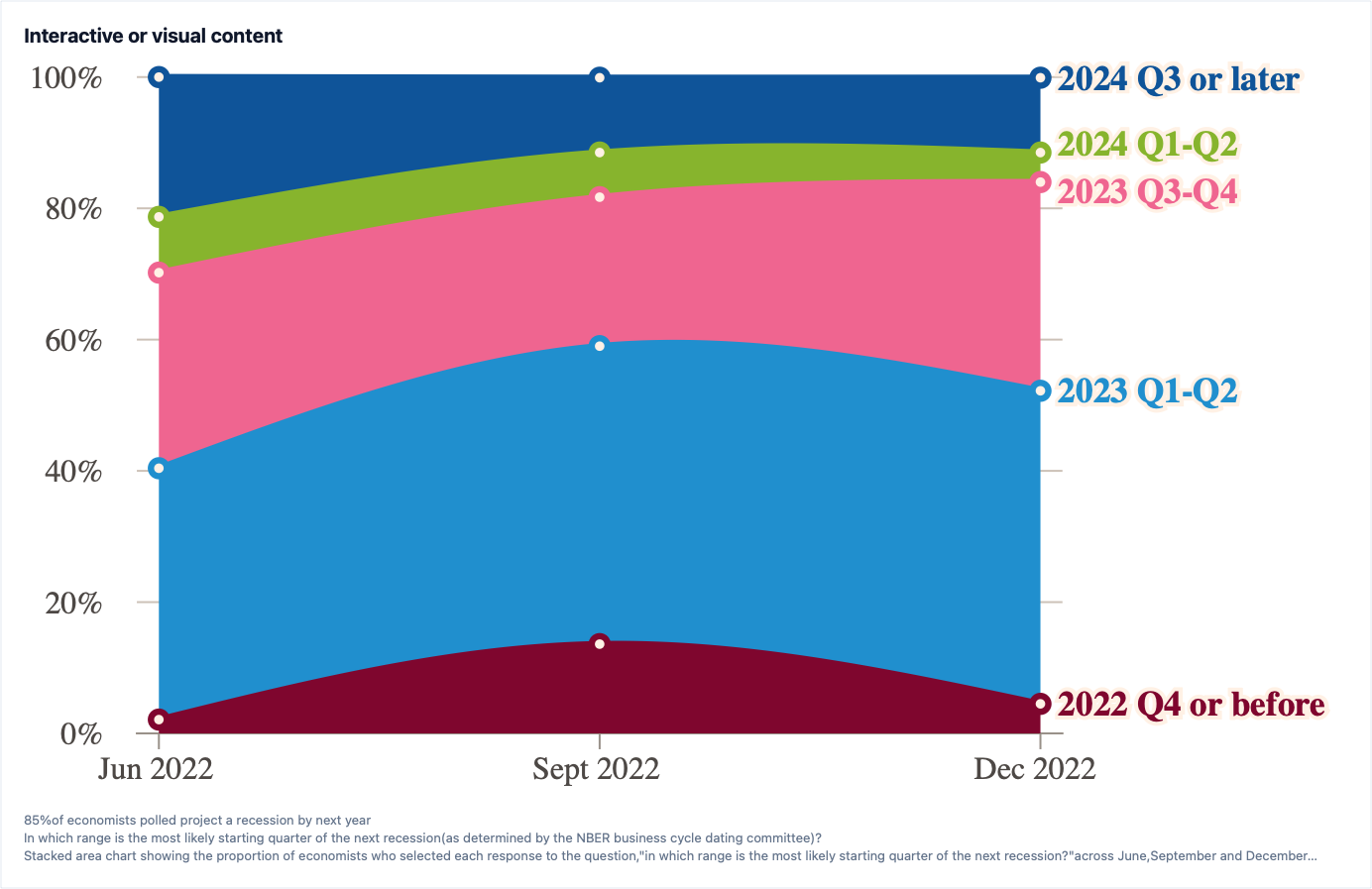
Between 2021 and 2022, as soaring inflation forced central banks to aggressively hike interest rates, economists widely anticipated an imminent global recession and feared emerging markets would suffer a debt crisis akin to the 1980s. However, the global economy proved remarkably resilient, with US growth accelerating and emerging markets avoiding widespread sovereign defaults.
A new NBER working paper explains that this cycle differed because smaller real policy rate increases were required to curb inflation, nations held greater fiscal space to cushion monetary tightening, and emerging economies possessed higher foreign exchange reserves alongside a lower share of dollar-denominated external liabilities.
Furthermore, major emerging markets have largely overcome past structural vulnerabilities by establishing robust local-currency bond markets, flexible exchange rate regimes, and credible, independent central banks. These institutional advancements allowed them to weather the 2022-2023 tightening cycle effectively, demonstrating that emerging markets are no longer perpetually fragile.