资本支出被视为衡量特斯拉这类贩售长期愿景公司的一种「可信度指标」。由于执行长伊隆·马斯克(Elon Musk)过去曾有多次未能如期交付产品或放弃专案的纪录,投资人现在更渴望看到实质的进展迹象。虽然相较于其他科技巨头(如Alphabet、微软等)高达数千亿美元的资本支出预测,特斯拉的250亿美元显得保守,但这并未为其股价带来正面效益。
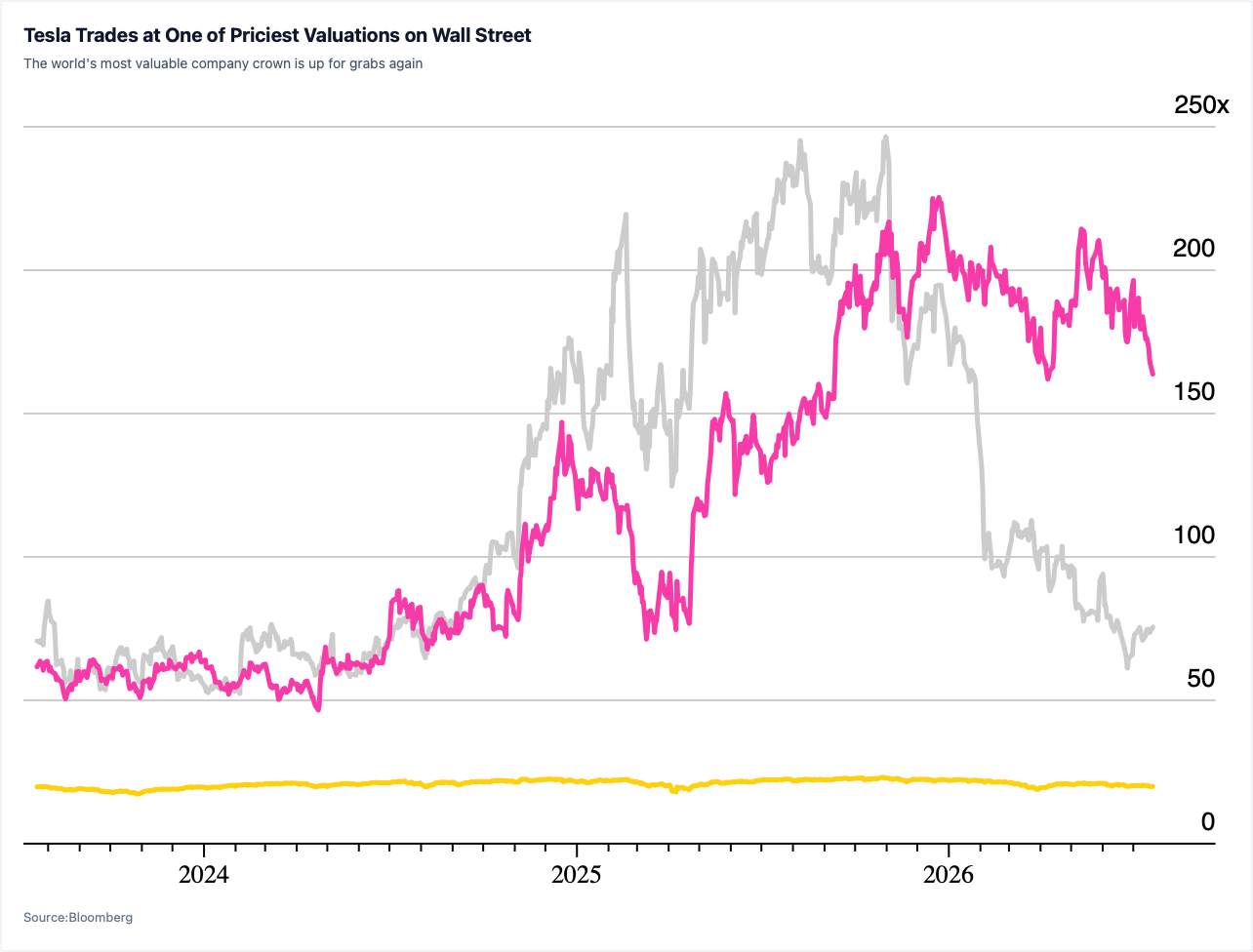
特斯拉的股价目前已反映了其承诺的未来,其本益比在标普500指数中名列前茅。然而,随著马斯克旗下的SpaceX上市并积极扩张,特斯拉面临的压力与日俱增。若特斯拉在机器人和自动驾驶计程车等AI领域无法顺利推进,投资人的目光可能会转向SpaceX的火星计划。这意味著,特斯拉落实其技术承诺的能力,不仅关乎股价表现,更可能决定其未来是否能维持独立营运。
Wall Street is demanding that Tesla start spending its promised $25 billion in 2026 capital expenditures to drive progress in artificial intelligence and autonomous driving. So far, the company has spent only $2.5 billion, raising concerns among investors about whether it is investing enough to meet market expectations. Analysts point out that in a capital-intensive industry, Tesla cannot achieve its goals while underspending, creating a stark contrast with other Big Tech companies that have been penalized for excessive AI spending.
Capital expenditure is viewed as a "credibility check" for companies like Tesla that sell long-term visions. Because CEO Elon Musk has a track record of missed deadlines and abandoned projects, investors are now more eager to see signs of tangible progress. Although Tesla's $25 billion capex forecast seems conservative compared to the hundreds of billions projected by other tech giants (such as Alphabet and Microsoft), this has not translated into positive momentum for its stock price. (Key numbers: 250)
Tesla's stock price currently reflects its promised future, boasting one of the highest price-to-earnings ratios in the S&P 500. However, pressure on Tesla is mounting as Musk's SpaceX has gone public and is aggressively expanding. If Tesla fails to smoothly advance in AI areas like robotics and robotaxis, investor attention may shift toward SpaceX's Mars ambitions. This implies that Tesla's ability to deliver on its technological promises is not just about stock performance, but could also determine its future independence.