这种人才短缺的现象部分归因于亚洲许多大型企业仍由家族主导,导致专业经理人的储备相对匮乏。由于单靠财务操作已无法保证获利,提升企业营运绩效变得至关重要。因此,如果无法在初期找到合适的领导者,许多私募股权公司宁愿选择放弃潜在的交易机会,以避免投资价值的减损。
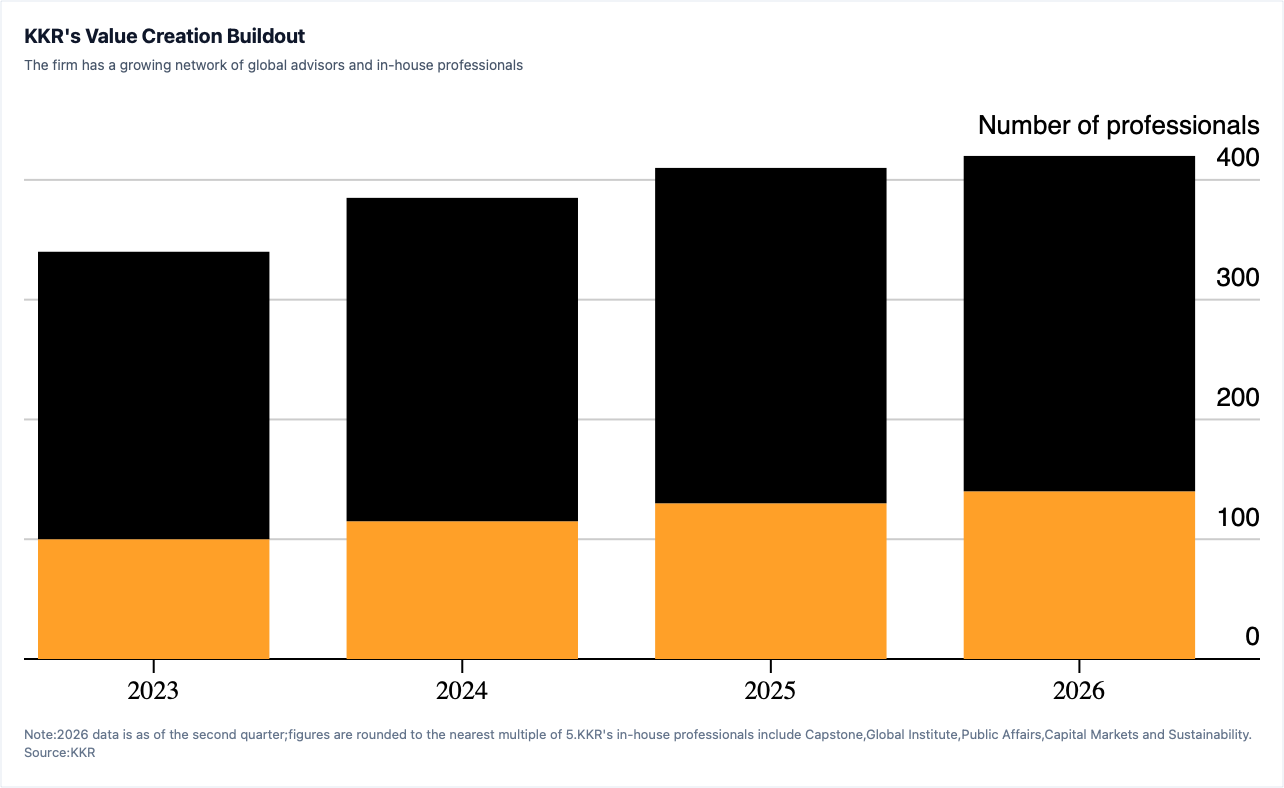
为了应对这项挑战,私募股权公司开始采取更具创意的策略,例如在批准交易前就先锁定执行长人选,并将招募范围扩大至全球市场。此外,他们也透过提供股权激励而非纯现金薪酬来吸引顶尖人才,同时积极扩充内部的营运团队与全球顾问网络,以协助管理并提升投资组合公司的价值。
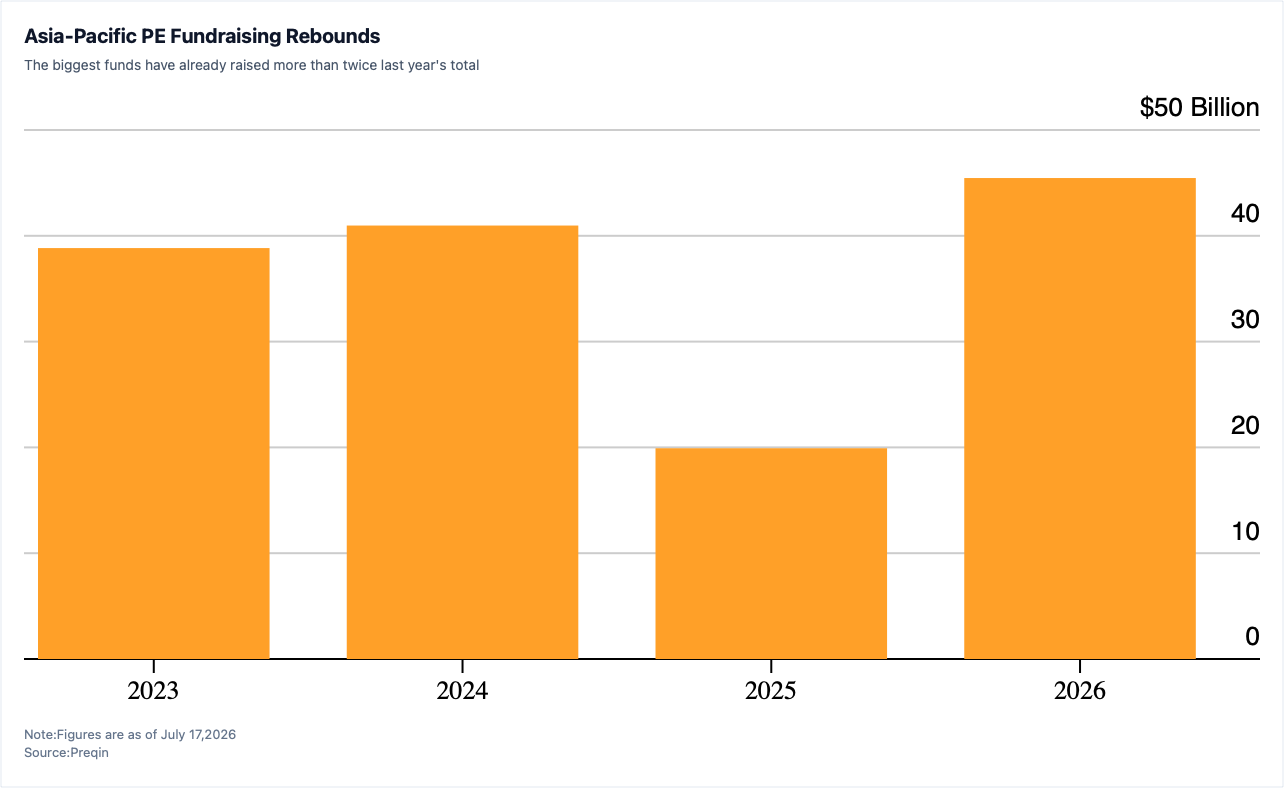
Private equity firms in Asia are currently facing a severe shortage of experienced executive talent, which is significantly hampering their pace of investment in the region. Even though these funds have ample dry powder to deploy, finding the right managers to lead acquired companies has become increasingly difficult. As the complexity of generating returns increases, the war for leadership talent capable of driving growth is intensifying.
This talent constraint is partly due to the fact that many large businesses in Asia remain family-led, leaving a relatively shallow pool of professional managers. Because financial engineering alone can no longer guarantee profits, improving operational performance is crucial. Consequently, if suitable leaders cannot be secured early on, many private equity firms prefer to pass on potential deals to avoid undermining investment value.
To navigate this challenge, buyout firms are adopting more creative strategies, such as securing a CEO candidate before approving a transaction and expanding their search globally. Additionally, they are attracting top talent by offering share-based compensation rather than just cash salaries, while also aggressively expanding their internal operations teams and global advisor networks to help manage and enhance the value of their portfolio companies.