德米斯·哈萨比斯一直在追求一个长期计划:利用人工智能治愈疾病,现在他领导谷歌DeepMind和Isomorphic Labs,这是蛋白质折叠突破成果的实际延续。Isomorphic在五年前被剥离成立,旨在将AlphaFold技术转化为新型药物,并且如今即将公布其首批候选药物。
该公司在三大核心研究领域——癌症、心血管疾病和免疫学——中开展了19个项目,合作方包括伊莱利利(Eli Lilly)、诺华(Novartis)和强生(Johnson & Johnson),同时也有内部项目。哈萨比斯认为,如果平台成功,一旦核心技术建成,每个新应用都可以快速推出,就像AlphaFold从首次结构到“全部2亿种已知蛋白质结构”花了先是六年,再用一年。
2月,Isomorphic推出了IsoDDE,即仅限内部使用的AlphaFold版本,可预测药物性质,如结合亲和力,并据称在这一任务上优于麻省理工学院开发的Boltz-2等最先进开源替代方案。该技术还能够预测蛋白质生物化学相互作用,形成从学术工具到商业药物设计引擎的差异化,而访问限制是出于生物安全考虑;与此同时Anthropic也将其模型Claude Mythos仅开放给网络安全专家,这体现了行业从完全开放到受限发布的趋势。
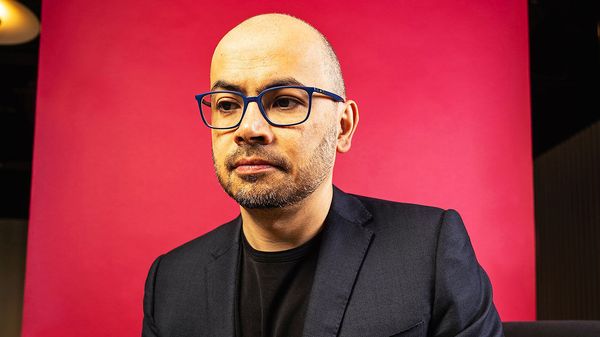
Demis Hassabis is pursuing a long-term plan to use AI to cure disease, and he now leads Google DeepMind and Isomorphic Labs as a practical continuation of protein-folding breakthroughs. Isomorphic was spun off five years ago to turn AlphaFold technology into novel medicines, and it is now about to announce its first candidates.
The company runs 19 programmes across three core areas—cancer, cardiovascular disease, and immunology—through partners including Eli Lilly, Novartis, and Johnson & Johnson, as well as internal projects. Hassabis argues that once core technology is built, each new application can be rolled out quickly, as AlphaFold moved from six years for its first structure to one year for all 200m known protein structures.
In February, Isomorphic introduced IsoDDE, an internal-only version of AlphaFold that predicts drug properties such as binding affinity and reportedly outperforms state-of-the-art open models like MIT’s Boltz-2; it also models protein biochemical interactions for drug design. This is framed as a shift from an academic tool to a commercial drug-design engine, with access restricted for biosecurity reasons, while Anthropic’s limited release of Claude Mythos to cybersecurity experts shows a broader industry pattern toward controlled disclosure.
Source: Sir Demis Hassabis wants to automate drug design
Subtitle: We speak to the boss of Google DeepMind
Dateline: 4月 09, 2026 03:39 上午