尽管北京努力将天水等老工业区城市转变为高科技中心,但地方经济仍在落后,天水的人均GDP已从十年前占北京的16%萎缩至如今的14%。由于自动化工厂提供的就业机会很少,该市人口在过去十年中减少了近50万,降至290万。
这项高科技制造业的豪赌在中国面临着结构性限制,全国约有60%的劳动力(即5亿人)没有受过高中教育。虽然沿海枢纽的科技行业年薪可超过100万人民币,但小城市本地工厂的工作月薪仅为3000元(440美元),导致年轻人才外流。
小城市还饱受房地产危机的困扰,天水在2025年房地产投资暴跌超过40%,零售额下降了5%。这导致财政收入下降了近十分之一,使天水的人均学校资金不足北京的三分之一,从而加剧了不平等。
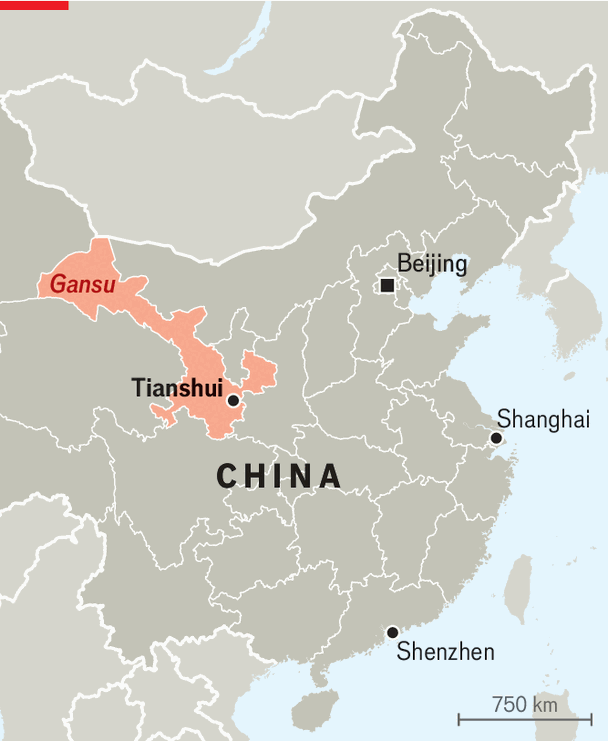
Despite Beijing's push to transform rust-belt cities like Tianshui into high-tech hubs, local economies continue to fall behind, with Tianshui's GDP per capita shrinking from 16% of Beijing's a decade ago to just 14% now. Due to automated factories offering few jobs, the city's population has decreased by nearly 500,000 over the last ten years to 2.9 million.
This high-tech manufacturing bet faces structural limits across China, where approximately 60% of the workforce, or 500 million people, lacks a high-school education. While tech salaries in coastal hubs can exceed 1 million yuan annually, local factory jobs in smaller cities pay just 3,000 yuan ($440) monthly, driving young talent away.
Smaller cities also suffer from property crises, as Tianshui saw real estate investment plummet by over 40% and retail sales drop by 5% in 2025. This has caused fiscal revenues to fall by nearly a tenth, leaving Tianshui with less than one-third of Beijing's school funding per pupil and widening inequality.
Source: China’s high-tech rise is leaving much of the country behind
Subtitle: That could make a starkly unequal country even more so
Dateline: June 4th 2026