在能源产业政策上,文章强调五角大厦(Pentagon)被用作为煤炭提供融资的工具,并提到奥克拉荷马州一座新的美国铝冶炼厂,被形容为自 1980 年以来首座新建,凸显国内产能扩张沉寂已久。在公共卫生方面,它引用 FDA 拒绝审查 Moderna 的新流感疫苗(flu-vaccine)申请,尽管其试验规模超过 40,000 名成人,且据报疗效优于常规流感疫苗;文中将此决定描绘为不寻常,并与更严格的审查氛围相关。在教育与消费不平等上,它指出纽约市(New York City)精英私立学校学费已超过 $70,000,并主张日益壮大的「mass affluent」上中产群体可为稀缺的高端商品与体验支付「thousands」,进而推升价格。
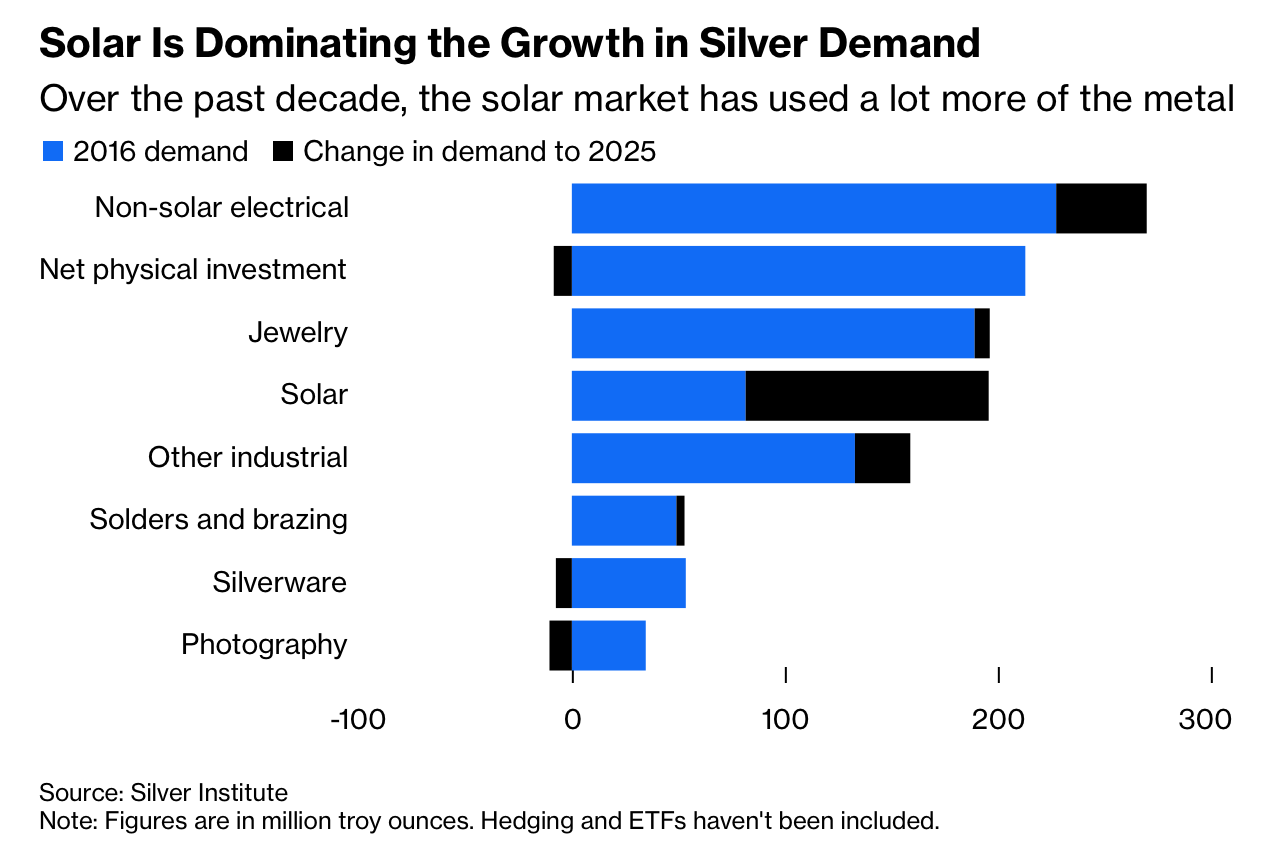
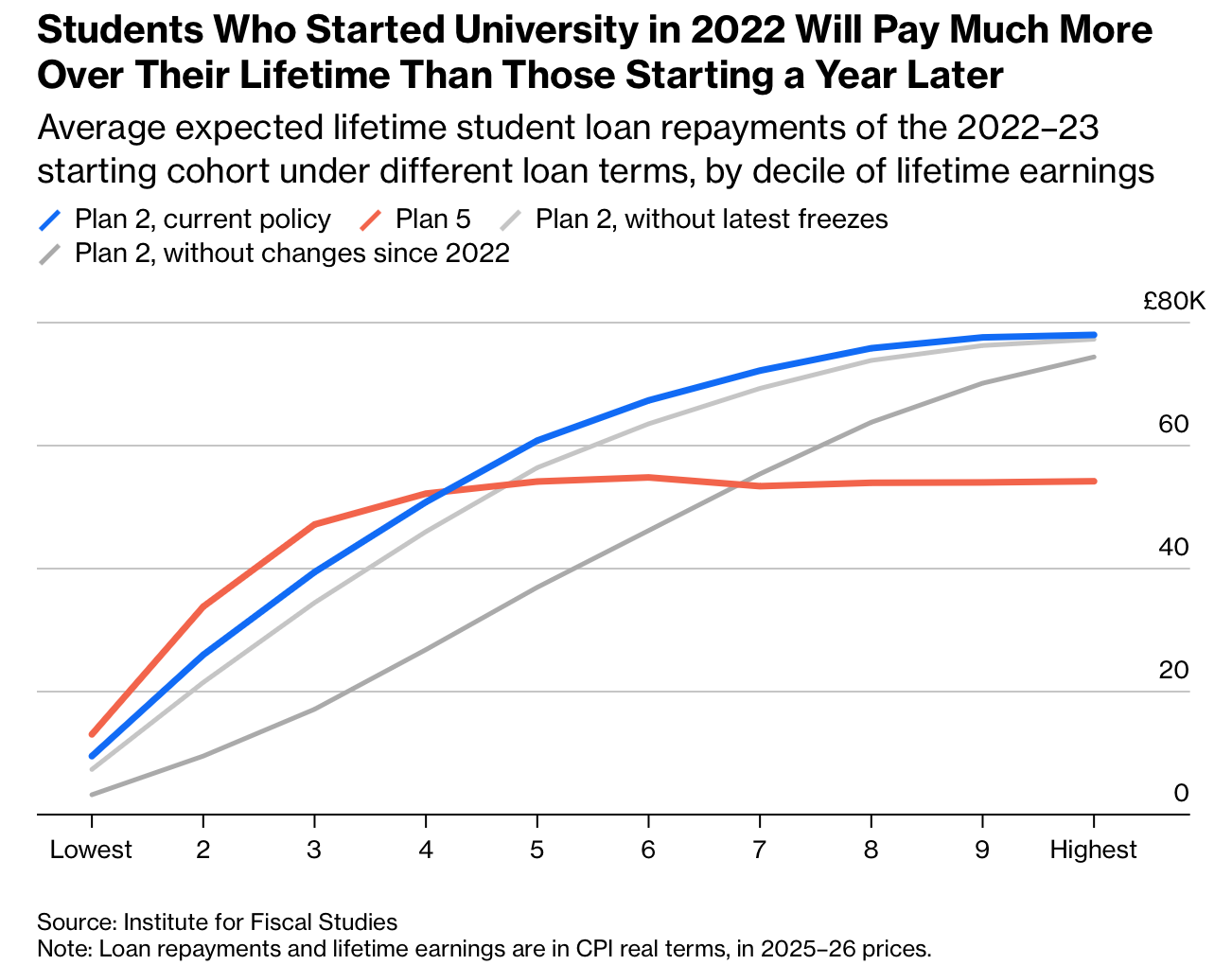
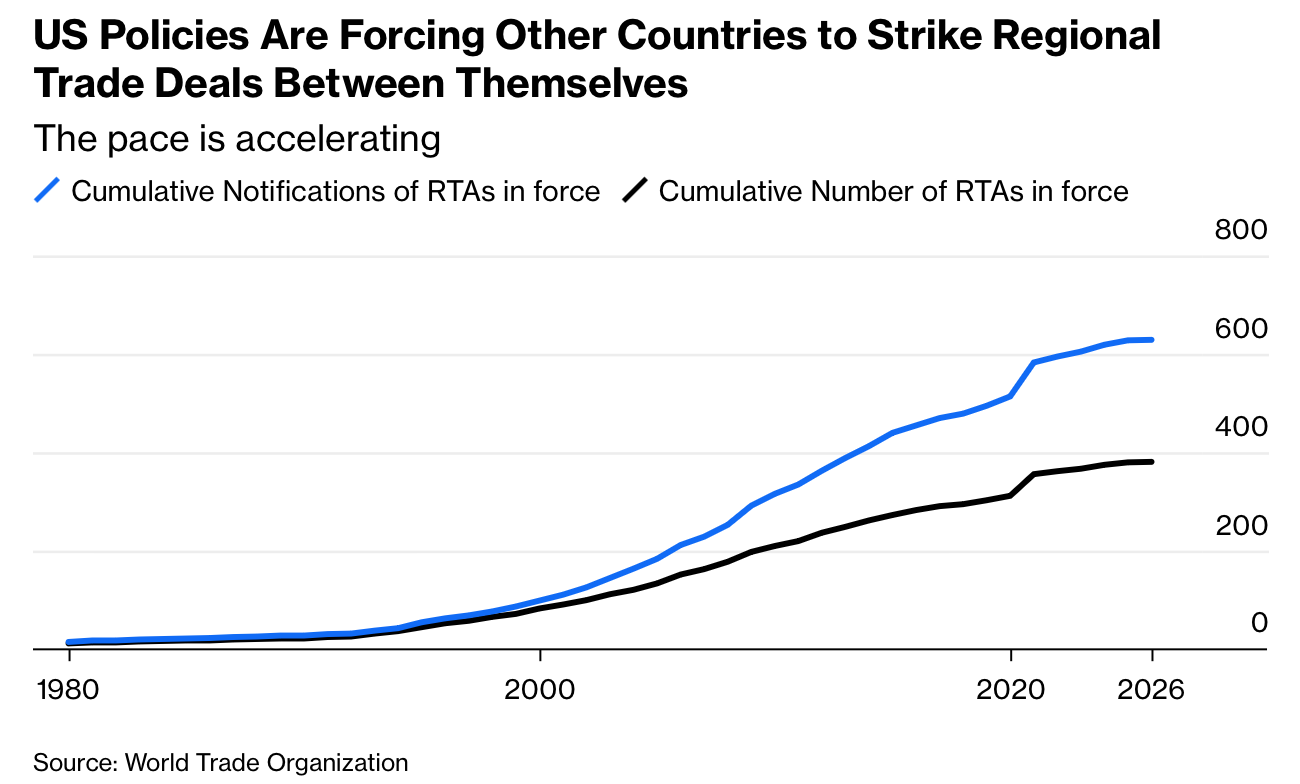
文中提出的后果偏向统计与结构层面:监管标准的变动会提高开发者与投资者的不确定性;而贸易伙伴面对美国政策风险,会透过降低对美国的曝险、转而增加彼此之间的商业往来来回应,而非直接报复。对「peak solar」说法的一个关键反证来自商品数据:太阳能(solar)制造商去年使用约 196,000,000 盎司白银,约与全部珠宝用量相当,并等同于全球白银市场的约 17%,这暗示即使预测失准,太阳能需求的底层动能仍然强劲。在美国之外,文章援引英国学生贷款「Plan 2」族群(2012 至 2023 年毕业者),称其余额可能在按月还款的同时仍会增加,进而推迟如购屋、结婚与生育等人生里程碑。
Bloomberg Opinion Today’s Feb 13, 2026 newsletter frames a “Great Regression” theme in the US, contrasting personal backsliding with national policy reversals across energy, public health regulation, and trade. It situates the moment in a Trump-era push to revive legacy industries, a renewed debate over regulatory standards for vaccines, and an increasingly protectionist posture that has been building since at least 2016, with the USMCA trade pact (negotiated in 2018) now reportedly being reconsidered.
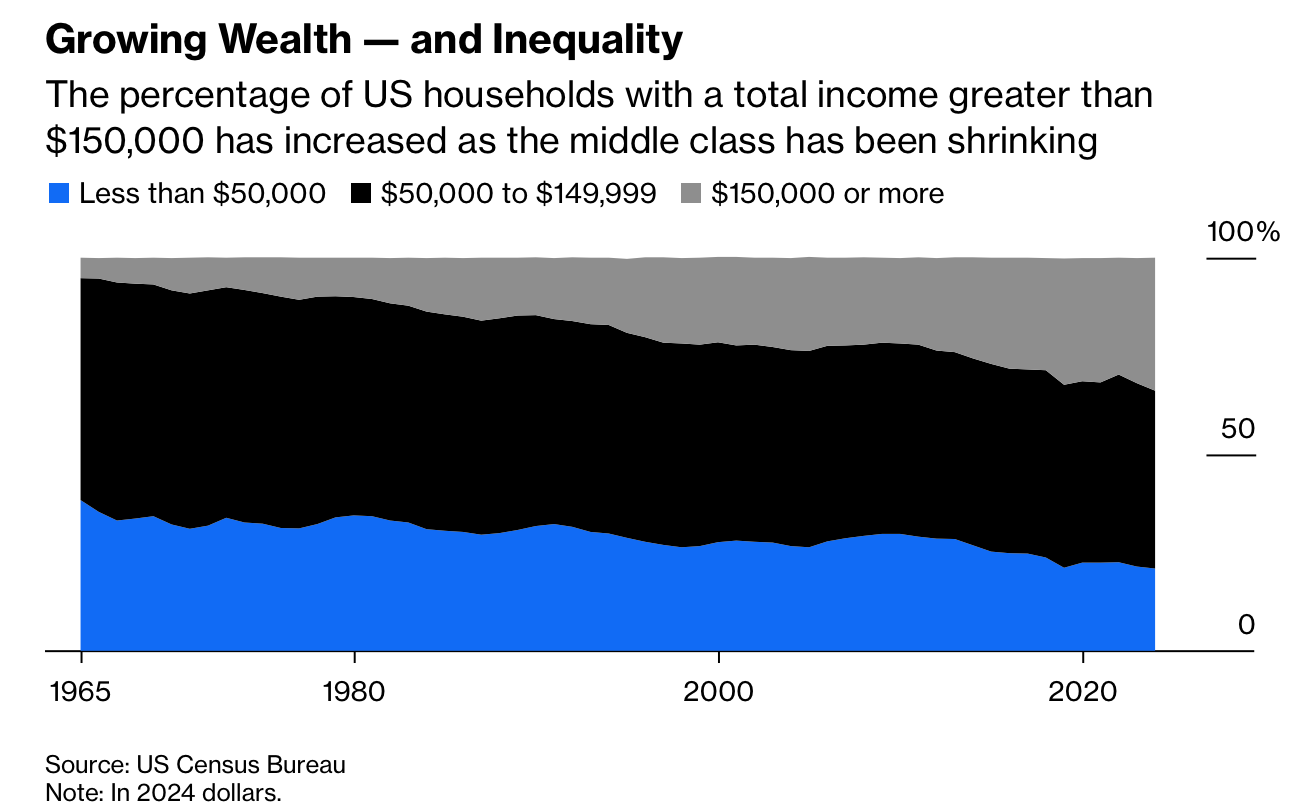
In energy industrial policy, the piece highlights the Pentagon being used as a financing vehicle for coal and points to a new US aluminum smelter in Oklahoma described as the first built since 1980, underscoring how long domestic capacity expansion has been dormant. In public health, it cites the FDA’s refusal to review Moderna’s new flu-vaccine application despite a trial size of more than 40,000 adults and reported superior effectiveness versus routine flu shots, portraying the decision as atypical and tied to heightened scrutiny. In education and consumption inequality, it notes New York City elite private-school tuition surpassing $70,000 and argues that a growing “mass affluent” upper-middle cohort can pay “thousands” for scarce premium goods and experiences, pushing prices upward.
The suggested consequences are statistical and structural: shifting regulatory standards can raise uncertainty for developers and investors, while trade partners respond to US policy risk by reducing US exposure and increasing commerce with each other rather than retaliating directly. A key counterpoint to “peak solar” claims is a commodities datapoint: solar manufacturers used about 196,000,000 ounces of silver last year, roughly matching all jewelry usage and equaling about 17% of the global silver market, implying strong underlying solar demand even if forecasts miss. Outside the US, the UK student-loan “Plan 2” cohort (graduates from 2012 to 2023) is cited as facing balances that can grow even while monthly repayments are made, contributing to delayed milestones such as home purchases, marriage, and children.