从2015年至2017年,肯尼亚超过10,500个极贫家庭获得一次性1,000美元现金,婴儿一岁前死亡率下降48%,五岁前死亡率下降45%,但研究显示效果主要集中在靠近医生坐镇诊所的村庄。远离诊所的村庄无统计显著影响,反映现金无法购买缺失市场的关键服务,包括医疗、教育、道路、卫生、电力与环境质量。全球范围内,疫情期间约17%的人口至少收到一笔现金援助,而诸多国家的证据表明现金在结构性障碍面前长期效应有限。
乌干达2008年YOP一次性创业资助在2、4、9年后收益效应几乎完全消失,2008至2017年的受助与对照组差距大幅收敛。2020年疫情期间的12年追踪仅显示男性受助者受冲击较轻,外推性不足。厄瓜多尔、埃塞俄比亚、马拉维等地也出现类似短效结果。此外,现金可能破坏家庭结构,如印尼Astek养老金削弱母居制并降低女孩教育成果。其他负面效应包括增加童工、虐待残障人士、诱发家庭暴力,甚至在巴西、墨西哥与美国的老年群体中因生活方式变化提高死亡率。
多国民调显示公众更偏好教育、医疗、安全等公共服务投资,而非单纯现金。集体选择机制能产生更持续效果,例如塞拉利昂自2005年起为118个村庄提供每个5,000美元的块状拨款,由民主程序决定用途,11年后在公共物品与经济活动上出现持久提升。证据显示现金有效但有限,而民主式资源分配能带来更长期与广泛的收益。
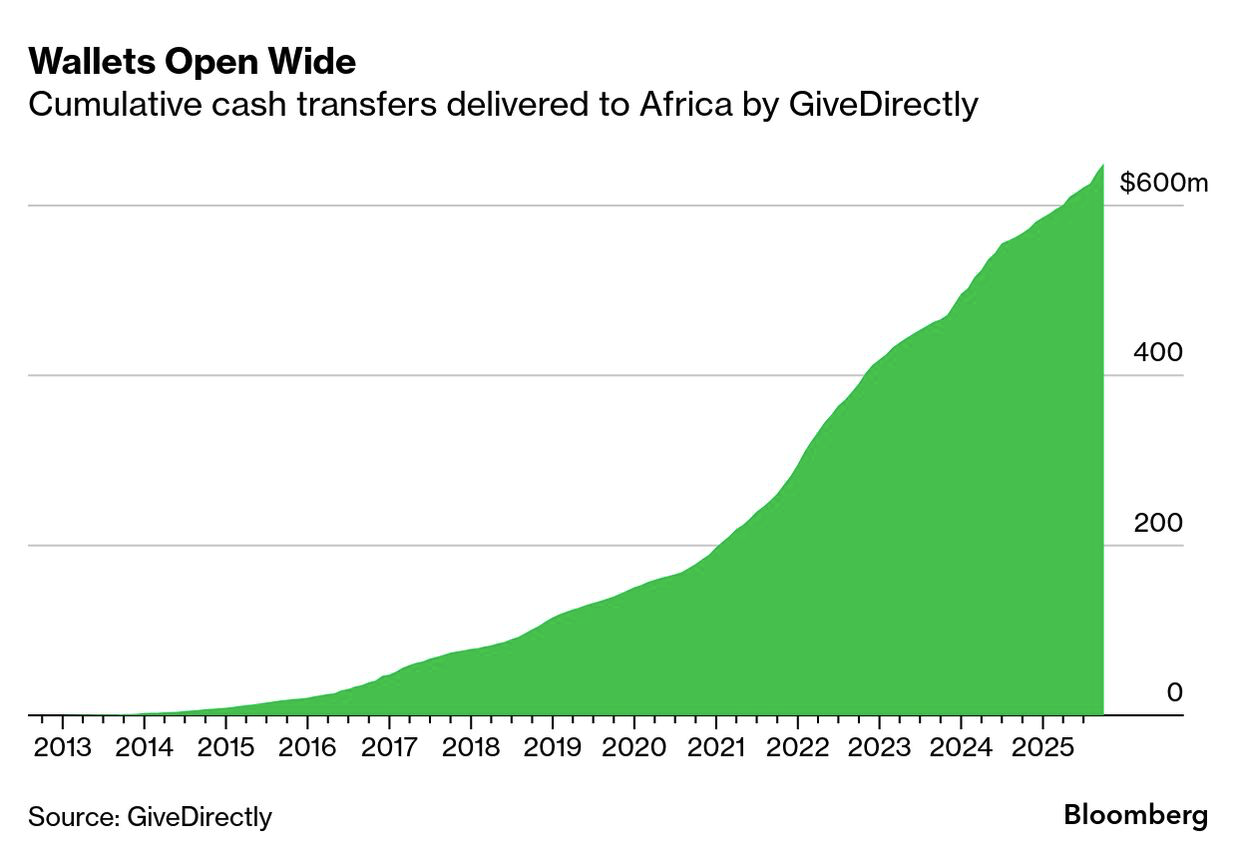
From 2015 to 2017, more than 10,500 extremely poor Kenyan families received a one-time $1,000 transfer, reducing infant mortality before age one by 48% and child mortality before age five by 45%, yet the effects occurred mainly near physician-staffed clinics. Remote villages showed no statistically significant impact, illustrating that cash cannot purchase missing markets such as health care, education, roads, sanitation, electricity, or environmental stability. Globally, about 17% of the population received at least one transfer during the pandemic, but evidence across countries shows limited long-term effects where structural barriers persist.
Uganda’s 2008 YOP grants showed earnings gains that nearly vanished after 2, 4, and 9 years, with the 2008–2017 gap between treatment and control sharply narrowing. A 12-year follow-up during 2020 showed only male recipients were cushioned, limiting generalizability. Similar fade-outs appear in Ecuador, Ethiopia, and Malawi. Cash can also disrupt family systems, as Indonesia’s Astek pension reduced matrilocality and worsened girls’ education. Other documented harms include increases in child labor, disability neglect, domestic violence, and higher mortality among older adults in Brazil, Mexico, and the U.S. due to lifestyle shifts.
Surveys show citizens often prefer investments in education, health, security, and other collective goods over cash. Collective decision-making can yield more durable outcomes: In Sierra Leone, beginning in 2005, block grants of $5,000 to 118 villages allocated through democratic processes produced lasting improvements in public goods and economic activity after 11 years. Evidence indicates cash is effective but limited, whereas democratic allocation generates broader and more persistent benefits.