挪威在奥斯陆兴建的13层蒙克博物馆采用回收铝与玻璃建成,2021年才开幕,晚了10年且超支2亿美元,象征着该国在公共支出上“财富不设限”的治理文化。该国石油经济支撑着每人9万美元的高人均GDP,并形成2.2万亿美元主权财富基金,折算后约每位560万人口国民享有40万美元,福利制度正建立在这种石油财富之上。
到2025年,这种富足已成为政治议题:非虚构畅销书《变得太富有的国家》与中右翼进步党在去年九月大幅受益都反映出“向问题投入更多资金”引发的担忧。基金对财政支出的占比已从2008年的360亿克朗(不足5%)上升到2025年的4140亿克朗(约占20%),而议会大楼翻修也从预期1年拖成4年、成本增至预估的6倍;2023年对外援助及慈善项目支出2500亿克朗,占劳动与资本税收入的一半,医疗支出仍比欧盟平均水平高约30%。
私人行为同样呈现高消费与低约束特征:挪威平均家庭债务是年收入的250%,20多岁人群失业率为十分之一,而丹麦为二十分之一,年轻人学历延迟和转向学习也造成“无技能服务业者中超过70%拥有硕士学位”的反常结构。移民仅占10万理工岗位,且仅为所需总量的一半,2030年前还缺口10万个;高杠杆环境与国家兜底预期对应的是克朗走弱、外国投资者兴趣下降、劳动生产率停滞与实际工资下滑。若国家财富基金的实际回报长期高于6%,该高支出模式可持续至约50年后油田枯竭前,但这倚赖全球生产率强劲提升,且该国能否维持激励、问责与经济活力仍成关键。
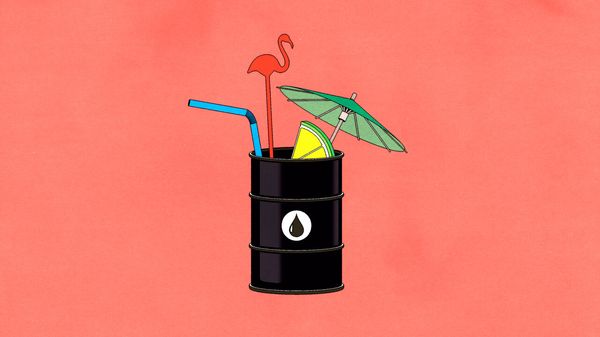
Norway’s $350 million 13-storey Munch Museum in Oslo opened in 2021 after a ten-year delay and a $200 million cost overrun, symbolizing a state culture where public spending feels almost unlimited. The oil economy supports very high income at $90,000 GDP per person and a $2.2 trillion sovereign-wealth fund, averaging $400,000 per one of 5.6 million citizens, with welfare built on this petroleum-backed asset base.
In 2025 this abundance became politically charged: the non-fiction bestseller *The Country that Became Too Rich* and the rise of the centre-right Progress party last September reflected anxiety about “throwing more money at problems.” The fund’s share of spending rose from NOK 36bn in 2008 (under 5%) to NOK 414bn in 2025 (about 20%), while Parliament’s renovation stretched from one to four years and ended up six times over budget; in 2023, NOK 250bn—half of labour-and-capital tax revenue—was spent on foreign aid and charities, while healthcare costs remain roughly 30% above the EU average.
Private behavior also shows high leverage and weak restraint: average household debt is 250% of annual income, unemployment among people in their twenties is one in ten versus one in twenty in Denmark, and repeated or delayed study paths have produced the unusual outcome that more than 70% of native unskilled service workers hold master’s degrees. Immigrants fill only 100,000 science, technology and engineering jobs, just half of total demand, leaving another 100,000 positions open by 2030; this complacent, debt-financed environment aligns with a weaker krone, lower foreign investor interest, stalled productivity, and falling real wages. If sovereign-wealth returns remain above 6% in real terms, this high-spending model could continue for roughly 50 years until oil reserves run out, but it depends on strong global productivity gains and on preserving incentives, accountability, and economic dynamism.
Source: Can a country get too rich?
Subtitle: Norway shows the potential pitfalls of uncommon prosperity
Dateline: 4月 01, 2026 03:22 上午