危地马拉城(当地称“Guate”)在周六晚11:30也像高峰期:从高地向下30公里可能要4小时,地图上通往市区的道路一片深红。过去10年全国车辆从320万辆增至620万辆(约翻近一倍),而首都基础设施改善甚少。
市政交警负责人在社交媒体上有80万粉丝,约占该市成年人口的三分之一,凸显拥堵信息的价值;许多车辆老旧(如耗油的“鸡巴士”),使该市通勤者单位排放在中美洲最差、全球第三差。研究估算拥堵让居民每月损失1300格查尔(约170美元),超过平均工资的五分之一,并使全国每年损失约40亿美元。
交通还加剧城乡隔绝:距离首都170公里的农村地区提到就医等服务受阻,而全国农村道路仅40%铺装。政府在9月发布首都地区“出行计划”,并在1月与美国签署协议承诺投110百万美元修路(相当于整个基建预算的5%增量)并获得美国陆军工程兵团技术建议,但腐败史可能继续拖延项目。
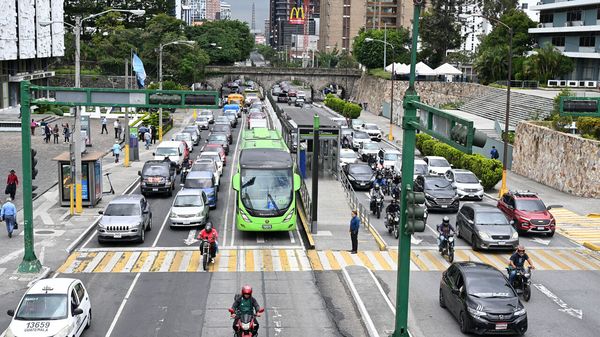
Guatemala City (“Guate”) is congested even at 11:30pm on a Saturday: a 30km descent from the highlands can take four hours, and traffic maps show dark-red gridlock on every approach. Over the past 10 years, Guatemala’s vehicle fleet rose from 3.2m to 6.2m (nearly doubling), while the capital’s infrastructure has seen little improvement.
A municipal traffic chief draws 800,000 social-media followers, about one-third of the city’s adults, underscoring the value of real-time jam intelligence; many vehicles are old (including gas-guzzling “chicken buses”), leaving the city’s commuter emissions worst in Central America and third-worst globally. One study estimates congestion costs residents 1,300 quetzals ($170) per month, more than one-fifth of an average salary, and about $4bn per year nationally.
Traffic also deepens rural isolation: a worker 170km away cites jams as a barrier to hospitals and other services, compounded by only 40% of rural roads being paved. The government issued a capital-region “mobility plan” in September and in January signed a US deal to spend $110m on road-building (a 5% uplift to the entire infrastructure budget) with technical advice from the US Army Corps of Engineers, but a long history of graft threatens delays.
Source: Central America’s biggest city is eternally snarled with traffic
Subtitle: Where congestion brings smog, delays and lost productivity
Dateline: 2月 12, 2026 05:49 上午 | GUATEMALA CITY