河北是一个约有7400万人口、环绕北京的省份,一再为首都承担代价,从新冠疫情期间更严的人员流动管控到2023年为避免北京被淹而分流洪水。如今,始于2017年禁烧煤并推广燃气取暖的空气治理政策,其副作用正让一些家庭负担不起供暖。
1月4日,环保官员称北京去年按政府标准只有1天达到“重度”污染,PM2.5年均浓度已降至约十年前的三分之一以下。改善伴随燃料替代与工厂外迁等措施,使冬季“浓汤”式雾霾大体成为过去。
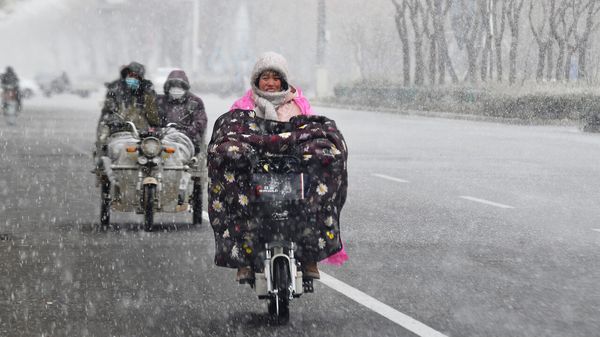
但对河北村民而言,一个冬季燃气取暖账单可能超过6000元(约860美元),高于农村地区平均全年养老金,而河北气价上涨更快、现比北京约高20%。补贴逐年退坡后,一些人重烧煤并面临无人机巡查与罚款,另一些人则在毯子下节省热量,同时网络怒气与阶段性删帖并存。
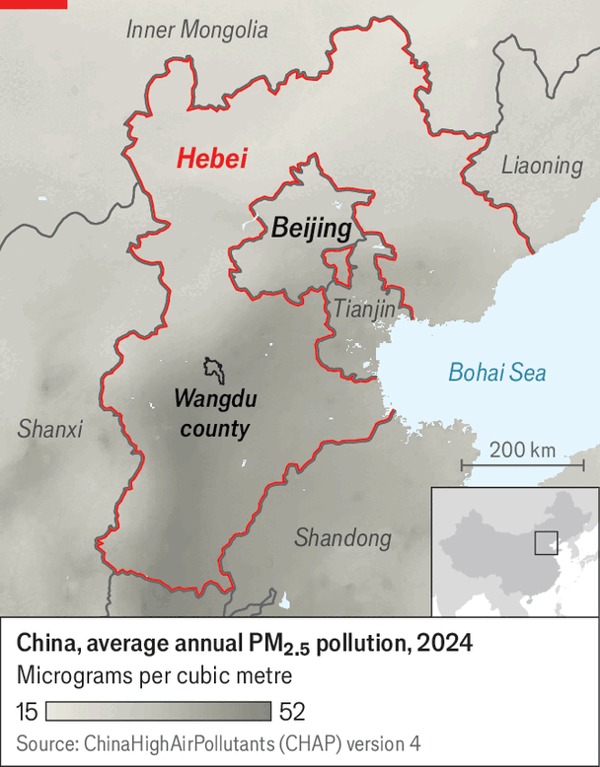
Hebei, a province of about 74m people encircling Beijing, has repeatedly absorbed costs for the capital, from extra COVID-19 movement controls to 2023 floodwater diversions. Now air-cleanup policies that began with a 2017 coal-burning ban and gas-heater rollout are leaving some households unable to afford heat.
Officials said on January 4 that Beijing had only one “heavily” polluted day last year, and annual average PM2.5 levels are under one-third of roughly a decade ago. The improvement came alongside measures like fuel switching and moving factories, reducing winter “peasoup” smog.
But gas heating can cost Hebei villagers over 6,000 yuan (about $860) for one winter—more than the average annual rural pension—while Hebei gas prices have risen faster than Beijing’s and are about 20% higher. With subsidies tapering, some revert to coal and face drone monitoring and fines, while others ration heat under blankets as online anger and periodic censorship grow.
Source: The battle for blue skies over Beijing leaves farmers cold
Subtitle: Banned from burning coal, they can’t afford gas heating
Dateline: 1月 15, 2026 05:52 上午 | Wangdu County