在大多数 OECD 国家,酒精消费在截至 2023 年的 10 年里下降,而葡萄酒是唯一一个在所有价格区间都在下降的主要品类,同时烈酒和啤酒在上升。2024 年全球葡萄酒产量降至自 1961 年以来的最低水平,但欧盟仍采取用欧盟资金拔除葡萄藤以遏制过剩的举措,凸显需求疲弱。
长期饮酒转变很明显:法国人饮用量约为 1970 年代的一半,英国人均葡萄酒消费自 2000 年以来下降 14%,而中国市场在十年前曾是增长引擎之后已出现下滑。廉价葡萄酒销量预计将继续以每年约 2% 的速度下降,甚至精品酒的增长也落后于啤酒和烈酒。
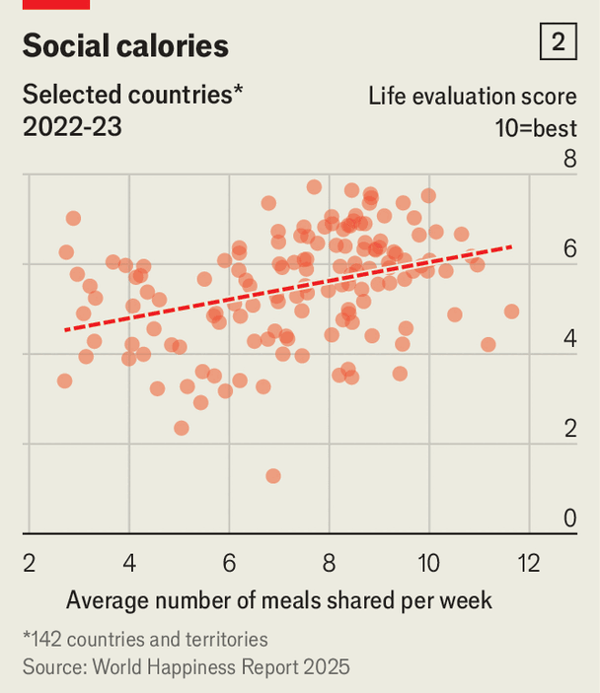
社会模式与下滑同步:单人家庭占比预计将从 2018 年的 28% 上升到 2050 年的 35%,在美国,每天每一餐都独自进食的成年人占比从 17%(2003 年)上升到接近 25%(2023 年),其中 30 岁以下人群的占比几乎翻倍。孤独影响全球约六分之一的人,在 22 个欧洲国家中表示“从不孤独”的占比从 59%(2018 年)降至 51%(2022 年);一项涵盖 69 项研究(超过 12,000 人)的荟萃分析发现,在心情好时饮酒的可能性最高可高出 28%,而暴饮的可能性高出 23%,这意味着酒精的角色主要是社交性的,即便 2024 年罐装葡萄酒市场为 1.13 亿美元并预计在五年内以每年超过 11% 的速度增长。
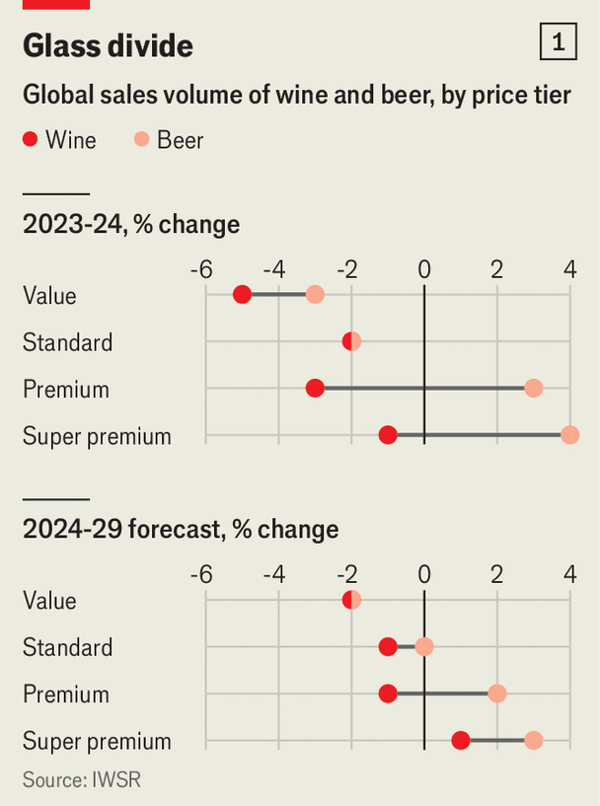
Across most OECD countries, alcohol consumption fell from 2013 to 2023, with wine declining in all price brackets while spirits and beer saw increases. In 2024, global wine production dropped to its lowest level since 1961. The EU is funding vine uprooting to address oversupply, reflecting weak demand. Long-term trends show significant shifts: the French consume about half as much wine as in the 1970s, and Britain's wine consumption decreased 14% since 2000. Meanwhile, cheap wine sales are projected to decline by around 2% yearly.
Social trends show a decline in connection: single-person households are expected to rise from 28% in 2018 to 35% by 2050. In the U.S., adults eating every meal alone jumped from 17% in 2003 to nearly 25% in 2023, with the under-30 demographic nearly doubling. Loneliness impacts around 1 in 6 globally, and the share of “never lonely” individuals in 22 European countries dropped from 59% in 2018 to 51% in 2022. A meta-analysis of 69 studies found drinking is more likely on happy days, showing alcohol's social role, despite canned wine being a $113 million market in 2024, expected to grow over 11% annually.
Across most OECD countries, alcohol consumption fell in the 10 years to 2023, and wine is the only major category declining across all price brackets while spirits and beer rise. In 2024 global wine production fell to its lowest level since 1961, yet the EU still moved to fund uprooting vines to curb a glut, highlighting demand weakness.
Source: Falling wine sales reflect a lonelier and more atomised world
Subtitle: It’s not just health-conscious youngsters who are saying no to Bordeaux
Dateline: 1月 15, 2026 05:53 上午 | Maipo Valley