4月7日,唐纳德·特朗普宣布海湾两周停火并“完全、立即且安全”开启霍尔木兹海峡后,市场先是出现短暂喘息。近六周以来,全球约15%的石油产量和五分之一的液化天然气(LNG)产能被伊朗封锁困在海湾,布伦特原油从每桶103美元骤降12%至91美元,欧洲基准气价一度下挫17%。
但停火基础极其脆弱,恢复通道的速度远不及市场预期。首日仅有4艘船跨越海峡;当前被困船舶约有187艘油轮(1.72亿桶原油和成品油)、15艘LNG船和41艘承载190万吨化肥的船只,连同其他散货与货船共计约715艘,远高于2月每日130艘的正常通行水平。
更深层风险是实物产能与产业链损害:战争使石油减产超1000万桶/日,约占全球需求的10%;伊朗攻击卡塔尔拉斯·拉凡液化气工厂14个装置中的2个,直接损失17%产能,受损修复或需3—5年,已投产单元恢复满负荷也需近4个月。卡塔尔能源公司负责全球10%尿素和约三分之一氦供应,阿布扎比Al Taweelah的铝产能占中东近一半、约占全球10%,恢复可能要一年,海湾碳氢基础设施总修复账单已被估为250亿美元,油价预期仍在90–100美元/桶区间(至2026年底)——战争风险溢价可能持续存在。
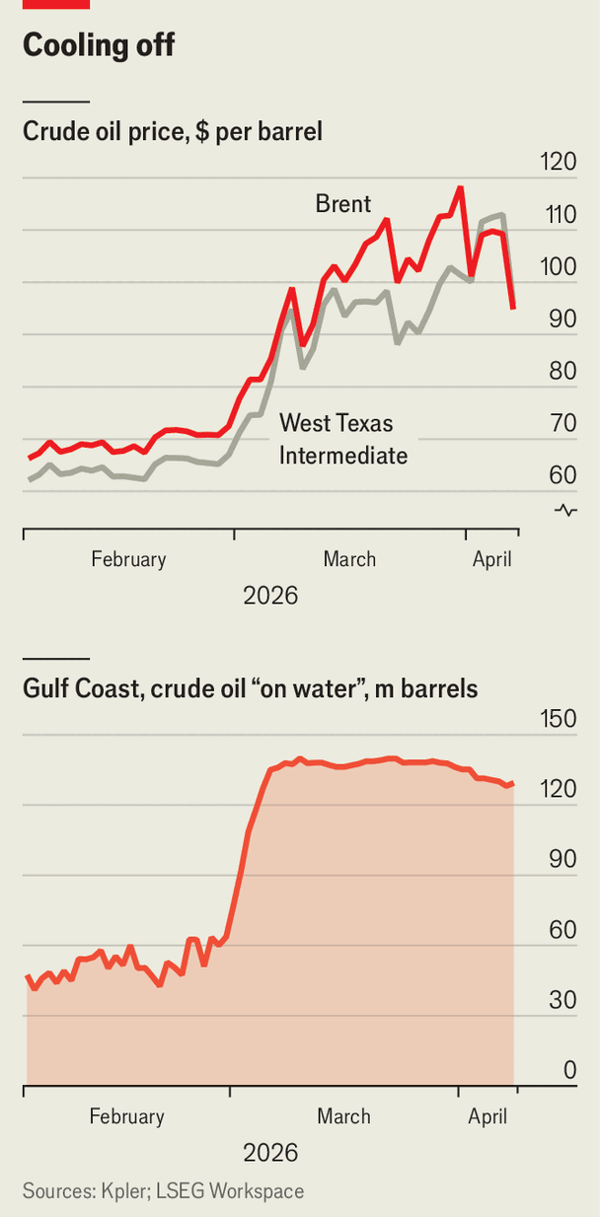
After Donald Trump announced a two-week ceasefire on April 7 and said the Strait of Hormuz was fully, immediately, and safely open, traders initially breathed easier. After almost six weeks, around 15% of global oil output and 20% of LNG were trapped by the Iranian blockade; Brent fell 12% from $103 to $91 per barrel, while Europe’s benchmark gas price briefly dropped 17%.
The truce is highly fragile, and traffic normalization is likely to be much slower than the first-day reaction implied. Only four ships crossed on day one, yet about 187 tankers carrying 172 million barrels of crude and products, 15 LNG vessels, and 41 fertiliser ships holding 1.9 million tonnes remain stuck, with the total stranded count near 715 versus 130 ships per day through the strait in February. Even if clearing were technically possible within a week, higher insurance costs, safety fears, and resumed strike risk imply a prolonged period of reduced flow.
The deeper damage is structural and production-related: Gulf conflict has cut oil output by more than 10 million bpd, about 10% of global demand. At Ras Laffan, Iran’s strike hit 2 of 14 units, removing 17% LNG capacity, with some repairs potentially taking 3–5 years and remaining units needing nearly four months to return to full load; QatarEnergy supplies 10% of global urea and roughly a third of helium, while Al Taweelah’s aluminium shutdown (about half of Middle East output, nearly 10% global) could take a year to restart. Estimated reconstruction costs for Gulf hydrocarbon infrastructure are $25bn, and analysts still forecast Brent between $90 and $100 per barrel through 2026 because elevated risk premiums are likely to persist.
Source: The third Gulf war will scar energy markets for a long time yet
Subtitle: Residual risks and ruined infrastructure will keep prices high
Dateline: 4月 09, 2026 04:24 上午