第一月战争较克制,第二月走向升级:4月2日美国袭击了伊朗最高桥(B1),与此同时伊朗无人机报复性袭击了科威特油炼厂,美国随后又先后威胁毁坏更多桥梁和发电厂;4月7日双方达成两周停火,但这并未削弱德黑兰政权,反而是在制裁和高油价背景下,伊斯兰革命卫队(IRGC)这种商业帝国体系的收益面被战争进一步强化。战争结束前后并未出现“降温”导致政权财政动摇的迹象,反而是其掌控的战争型经济链条更稳。
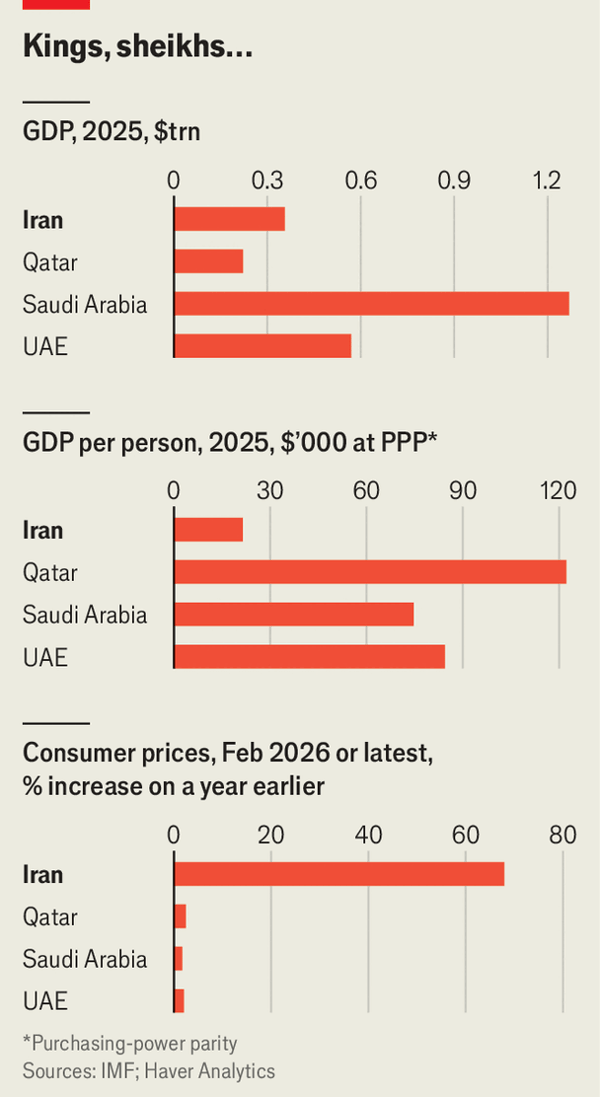
普通伊朗民众则继续承压:近六成劳动年龄人口据称失业,1月已有示威,战争月内又遭受1.1万次美国打击,互联网封锁压缩服务业(该行业曾吸纳半数劳动力),政府称有700万人、即四分之一劳动者志愿服役。黑市汇率自开战以来再贬值8%,此前通胀接近50%,开战后又再涨约6%,而乌兹群经(UAE)贡献了2025年约三分之一伊朗进口但已停止一艘船舶往来,关闭边界并抓捕大量空壳公司相关人员,导致进口供应几乎断流。
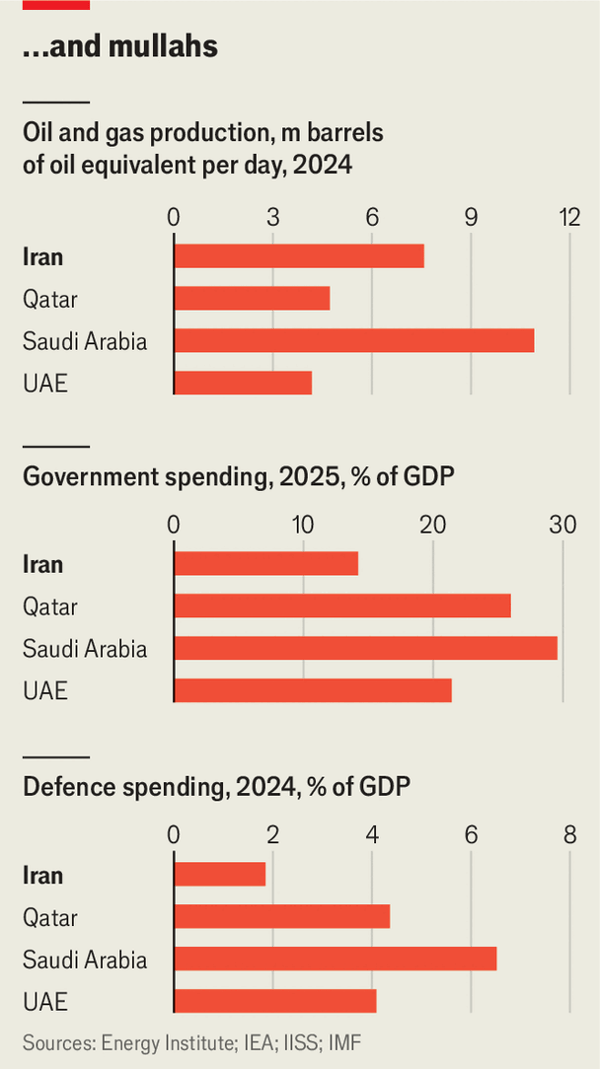
对伊朗总体经济看是挤压,对IRGC却是高利润局面:其控制的油、制造与走私收入三大渠道都在扩张,2025年其处理约半数油出口,价值至少300亿美元;若其占比与去年相同,年内有望拿到近150亿美元。国内企业方面IRGC五大司令部据称持有约半数企业,化妆品和加工食品利润在一个月内已有翻倍预期,走私和港口机场边境网络在航运中断与油运通道定价上升中也获益——每艘经霍尔木兹支付200万美元、流量恢复至战前一半130艘/日时,理论上可带来约500亿美元关税收入。
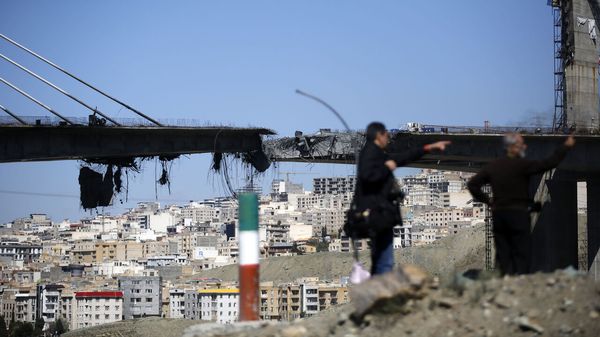
The first month of the campaign was relatively restrained, but in the second month the scale shifted: on April 2 the B1 bridge was damaged as families picnicked nearby, Iran struck a Kuwaiti refinery in response, and U.S. officials then threatened to destroy more bridges and power plants before a two-week ceasefire was agreed on April 7; that pause has not weakened Tehran, because sanctions and wartime oil conditions have strengthened the Islamic Revolutionary Guard Corps (IRGC)’s commercial system.
For ordinary Iranians, conditions worsened sharply: six in ten working-age people are estimated to be unemployed, 11,000 U.S. strikes disrupted daily life, internet shutdowns squeezed services that once employed half the workforce, and the government says 7 million people, or one in four workers, have volunteered for military service; the black-market rial has fallen another 8% since the war began, inflation has risen from just under 50% to roughly 56% overall, and the UAE, previously supplying nearly one-third of Iran’s 2025 imports, sent no ships, tightened borders, and moved against shell-company networks that had helped sanctions evasion.
IRGC finances are insulated and even expanding across oil, domestic manufacturing, and illicit trade: it handled roughly half of Iran’s oil exports in 2025, at least $30 billion, and has likely preserved export volume while nearly doubling earnings, meaning roughly half of the incremental revenue flows toward the Guards; its five branches own conglomerates tied to many firms, including food and consumer goods, with month-on-month profits in some sectors expected to double. Though war has disrupted some facilities, the broader model remains resilient through port and border control, smuggling premiums, and $2 million per-ship toll assumptions at Hormuz that could yield about $50 billion if traffic returned to half of pre-war 130 vessels per day, while payments rerouted through China and linked systems like Shetab–Mir help insulate core revenue.
Source: As Iran’s civilian economy crumbles, its military economy grows stronger
Subtitle: War has split the country in two
Dateline: 4月 09, 2026 03:38 上午