当前的中日对峙自10月以来迅速升级,不同于2010年那场从对抗走向和解花了四年的危机;在高市首相于10月上任后,北京加大施压,并于2月24日对至少20家日本企业实施了新的稀土出口限制。
国内与战略激励正在强化对抗:高市把强硬对华姿态转化为2月8日自民党在众议院的压倒性胜利,并正利用超级多数放宽防务约束,而北京将其与台湾的联系上升为更广泛的反军国主义叙事,并把强硬言辞与定向的贸易和旅游施压相结合。
经济杠杆在数量上呈不对称且正在增强:中国供应了日本约70%的稀土进口,并占日本总贸易和入境游客的20%,而两国在今年农历新年期间的航班流量同比下降了50%;胁迫仍然是校准过的,禁令打击了20家公司,另有20家被列入观察名单,但持续的军事摩擦(包括去年中国在钓鱼岛/尖阁诸岛附近创纪录的356天巡航)表明升级风险正在恶化。
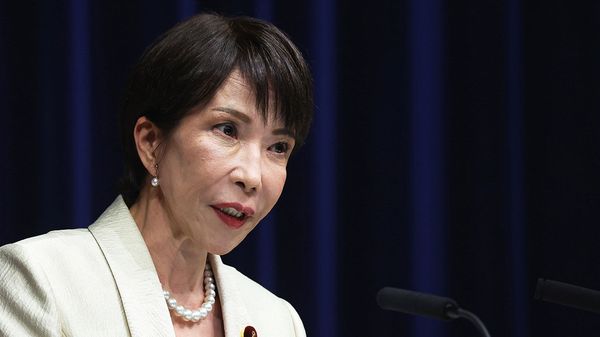
The current China-Japan standoff has escalated quickly since October, unlike the 2010 crisis that took four years to move from confrontation to reconciliation; after Prime Minister Takaichi took office in October, Beijing intensified pressure and on February 24 imposed new rare-earth export curbs on at least 20 Japanese firms.
Domestic and strategic incentives are reinforcing confrontation: Takaichi converted a hawkish posture into an LDP lower-house landslide on February 8 and is using a supermajority to loosen defense constraints, while Beijing links her Taiwan ties to broader anti-militarism messaging and has paired rhetoric with targeted trade and tourism pressure.
The economic leverage is quantitatively asymmetric and rising: China supplies about 70% of Japan’s rare-earth imports and represents 20% of both Japan’s total trade and inbound tourists, while Lunar New Year flight traffic between the two countries fell by 50% year on year; coercion remains calibrated, with bans hitting 20 firms and another 20 on a watch list, but persistent military friction (including a record 356 days of Chinese patrols near the Senkaku/Diaoyu area last year) indicates a worsening escalation risk.
Source: China piles pressure on Japan after Takaichi Sanae’s triumph
Subtitle: The latest feud between the East Asian giants is unlikely to end soon
Dateline: 2月 26, 2026 07:47 上午 | Tokyo and Beijing