大型云端运算服务商与顶尖人工智慧实验室也开始积极投入自研晶片的行列。亚马逊与 Google 等科技巨头不仅与博通和迈威尔合作开发客制化晶片以满足自身庞大需求,甚至开始将这些晶片提供给第三方客户;而 OpenAI 与 Anthropic 为了掌握底层基础设施并降低对辉达的依赖,也正积极推动自家的晶片研发计划。
尽管面临多方挑战,辉达凭借著强大的供应链优势与生态系护城河,短期内仍难以被撼动。辉达透过与台积电等晶圆代工厂的长期合作锁定了庞大的产能,并积极将业务拓展至软体、网路与资料中心设备领域,同时将产品更新周期缩短,以确保其在价值破兆美元的人工智慧晶片市场中持续保持领先地位。
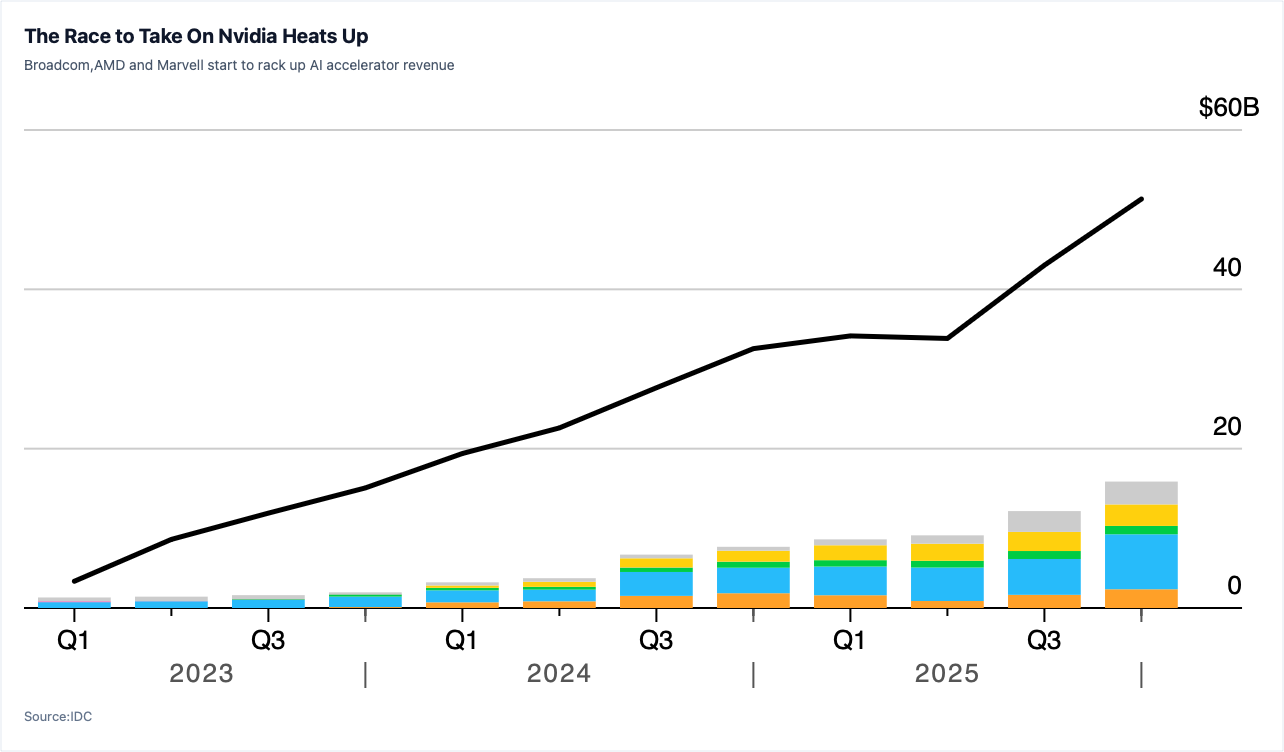
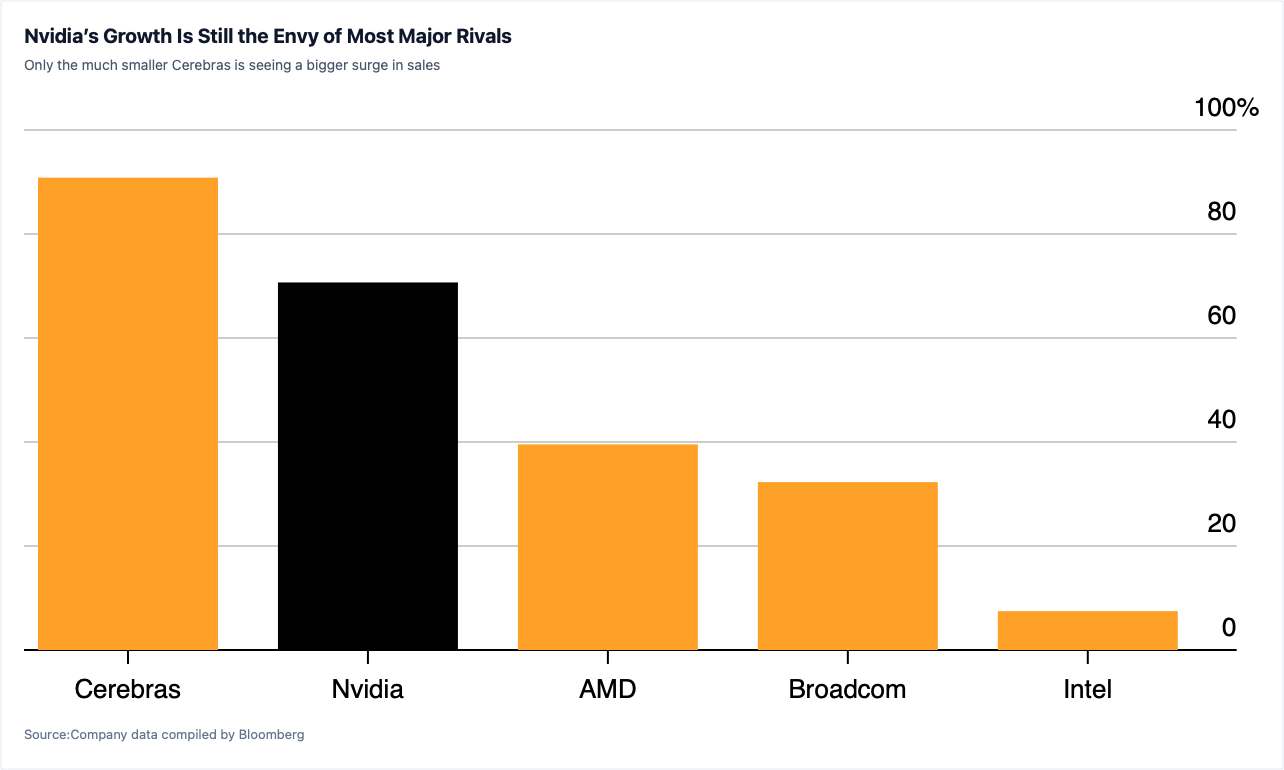
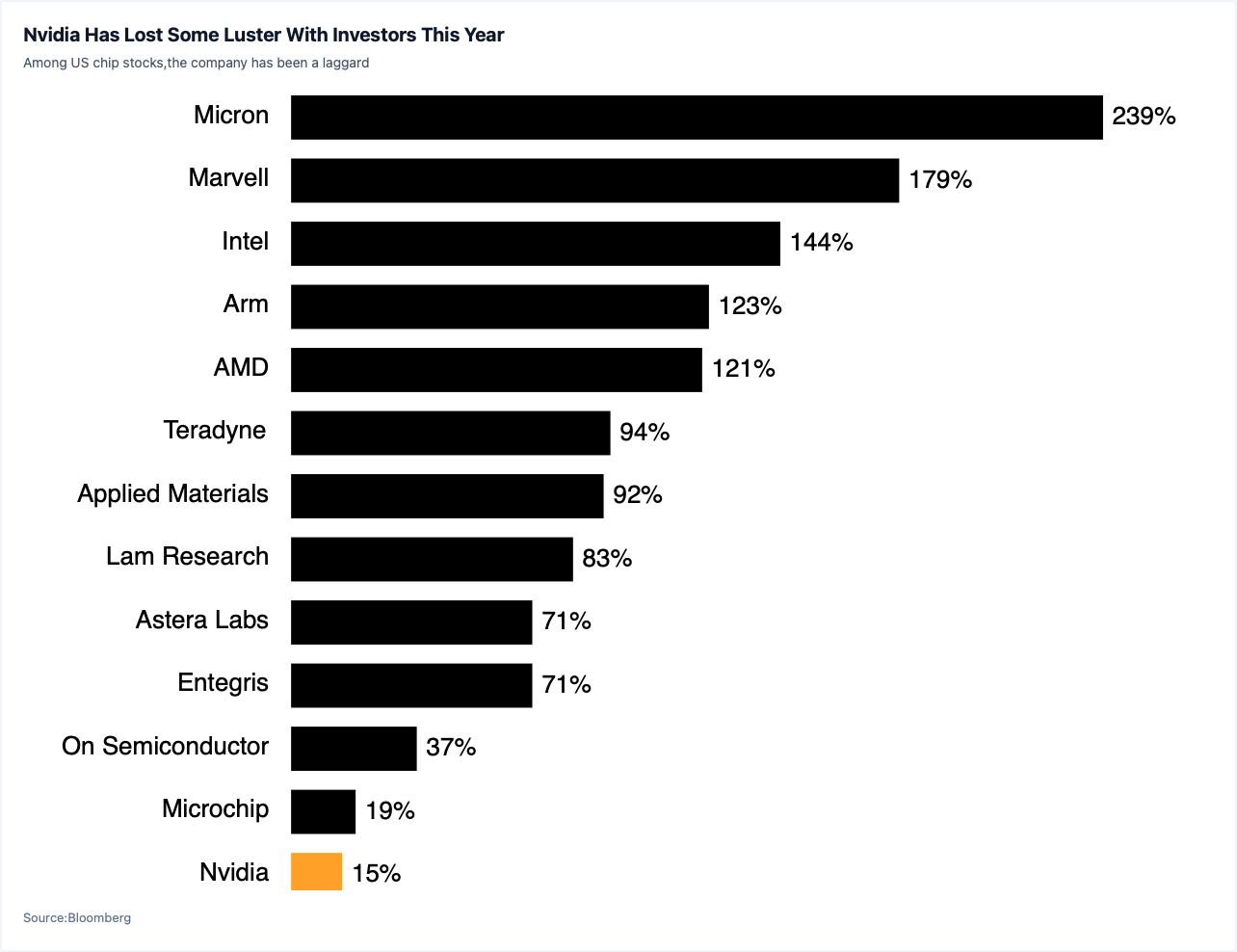
Although Nvidia currently dominates the artificial intelligence chip market, it is increasingly facing fierce competition from all sides. Traditional rivals like AMD have seen significant growth in their data center revenues, while startups such as Cerebras are raising capital through record-breaking IPOs to develop faster inference chips, attempting to break Nvidia's market monopoly.
Major cloud computing providers and top artificial intelligence labs are also actively engaging in developing their own in-house chips. Tech giants like Amazon and Google are partnering with Broadcom and Marvell to create custom silicon for their massive needs and are even offering these chips to third-party customers; meanwhile, OpenAI and Anthropic are aggressively advancing their own chip development plans to control their underlying infrastructure and reduce reliance on Nvidia.
Despite these multifaceted challenges, Nvidia remains difficult to unseat in the short term thanks to its formidable supply chain advantages and ecosystem moat. By securing massive production capacity through long-term partnerships with foundries like TSMC, expanding into software, networking, and data center equipment, and accelerating its product update cycle, Nvidia ensures its continued leadership in the trillion-dollar AI chip market.