美国在过去15年中完善的水力压裂技术正快速全球化。2024年底,Liberty Energy运送约4,500万磅压裂砂,跨越约1万英里至澳大利亚Beetaloo盆地,该盆地下方的天然气储量面积约相当于比利时。该技术曾将美国页岩产业推升至约1.4万亿美元规模。随着全球易采油气资源减少、用电和工业需求上升,各国开始复制美国的“工厂化”页岩开发模式,即使这意味着初期依赖长距离、高成本供应链。
扩散的规模和速度正在加快。沙特阿拉伯正在为Jafurah页岩气田投入超过1,000亿美元,这是北美以外最大的单一页岩气项目。该气田日产量预计将从约3万桶油当量提升至2030年的30万桶以上,增幅达10倍。阿根廷的Vaca Muerta页岩区也在加速开发,一些服务公司已实现同时压裂两口井,这种在美国花费多年才成熟的做法如今用于降低单位成本。高盛估计,仅阿根廷和沙特的项目就可满足至2030年全球石油需求增长的约五分之一。
与此同时,环境与能源安全的权衡愈发尖锐。批评者指出,考虑甲烷泄漏后,页岩油气的全生命周期排放可能不低于煤炭,并伴随地震与用水压力。但在现实中,政策优先级更多向能源自给倾斜。南非正解除长达十年的页岩气勘探禁令,拉美部分国家也可能政策转向。整体趋势显示,在气候目标与能源安全之间,全球正在重新定价风险,水力压裂成为未来几年能源市场的重要变量。
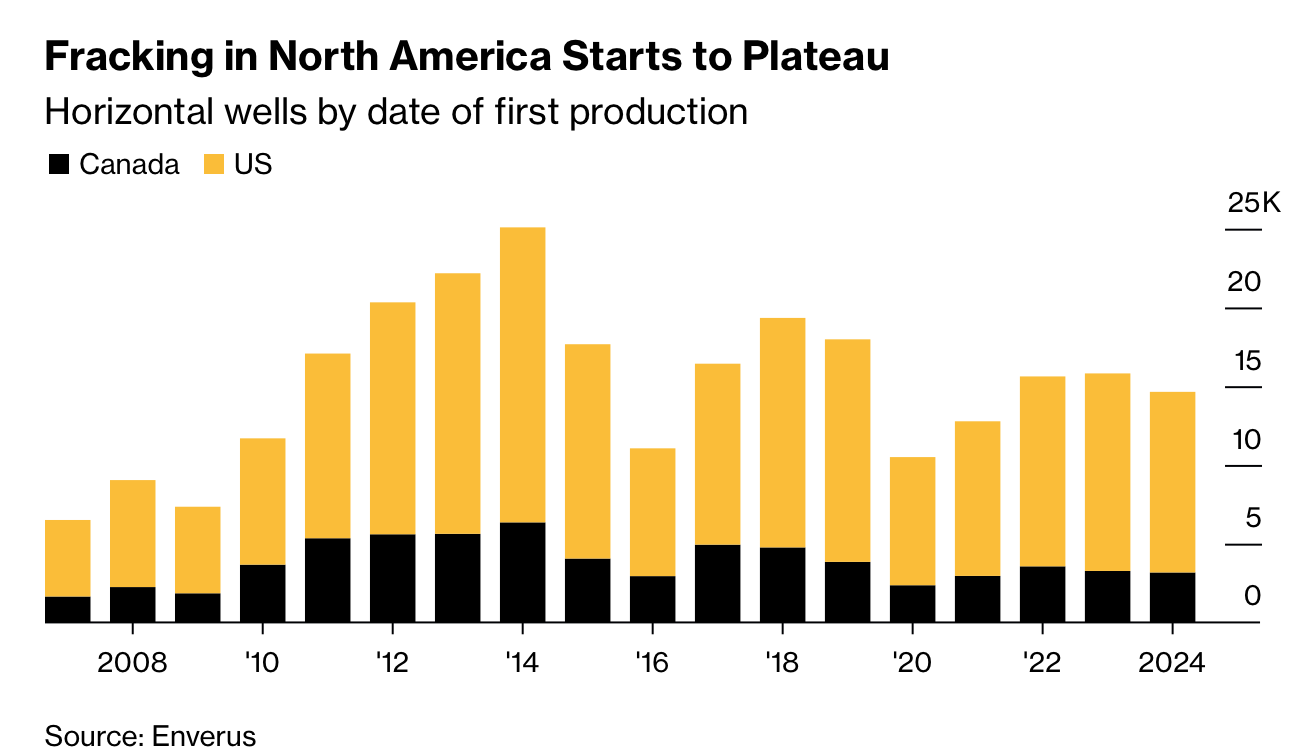
Hydraulic fracturing, refined in the US over the past 15 years, is rapidly going global. In late 2024, Liberty Energy shipped about 45 million pounds of frack sand roughly 10,000 miles to Australia’s Beetaloo Basin, where gas reserves span an area roughly the size of Belgium. The technique helped turn US shale into a roughly $1.4 trillion sector. As easily accessible oil and gas deposits decline and electricity and industrial demand rise, countries are adopting the US “factory-style” shale model despite early reliance on long, costly supply chains.
The scale and pace of adoption are accelerating. Saudi Arabia is spending more than $100 billion to develop the Jafurah shale gas field, the largest single shale project outside North America. Output there is expected to rise from about 30,000 barrels of oil equivalent per day to more than 300,000 by 2030, a tenfold increase. Argentina’s Vaca Muerta basin is also ramping up, with some service firms now fracking two wells simultaneously, a cost-saving practice that took years to mature in the US. Goldman Sachs estimates that projects in Argentina and Saudi Arabia alone could meet about one-fifth of global oil demand growth through 2030.
Environmental trade-offs remain contentious. Critics argue that once methane leakage is included, fracked fuels’ life-cycle emissions may rival coal and bring risks such as earthquakes and water stress. In practice, energy security is often taking precedence. South Africa is lifting a decade-long moratorium on shale exploration, and parts of Latin America may reverse restrictions under fiscal pressure. The broader trend shows climate ambitions colliding with energy realities, with global fracking emerging as a key variable in energy markets over the coming years.