日本首相Sanae Takaichi在2026年2月8日选举中赢得日本历史上最大规模议会授权之一,获得众议院压倒性多数,使其能够推动战后安全政策的重大调整。她计划修订1947年宪法,尤其是限制日本发动战争的第九条,并扩大军事与情报能力,包括建立类似CIA的情报机构和实施反间谍法。当前日本仍依赖与美国的安全联盟,美国在日本驻有约53,000名军人,该安排源自1951年的安全条约。
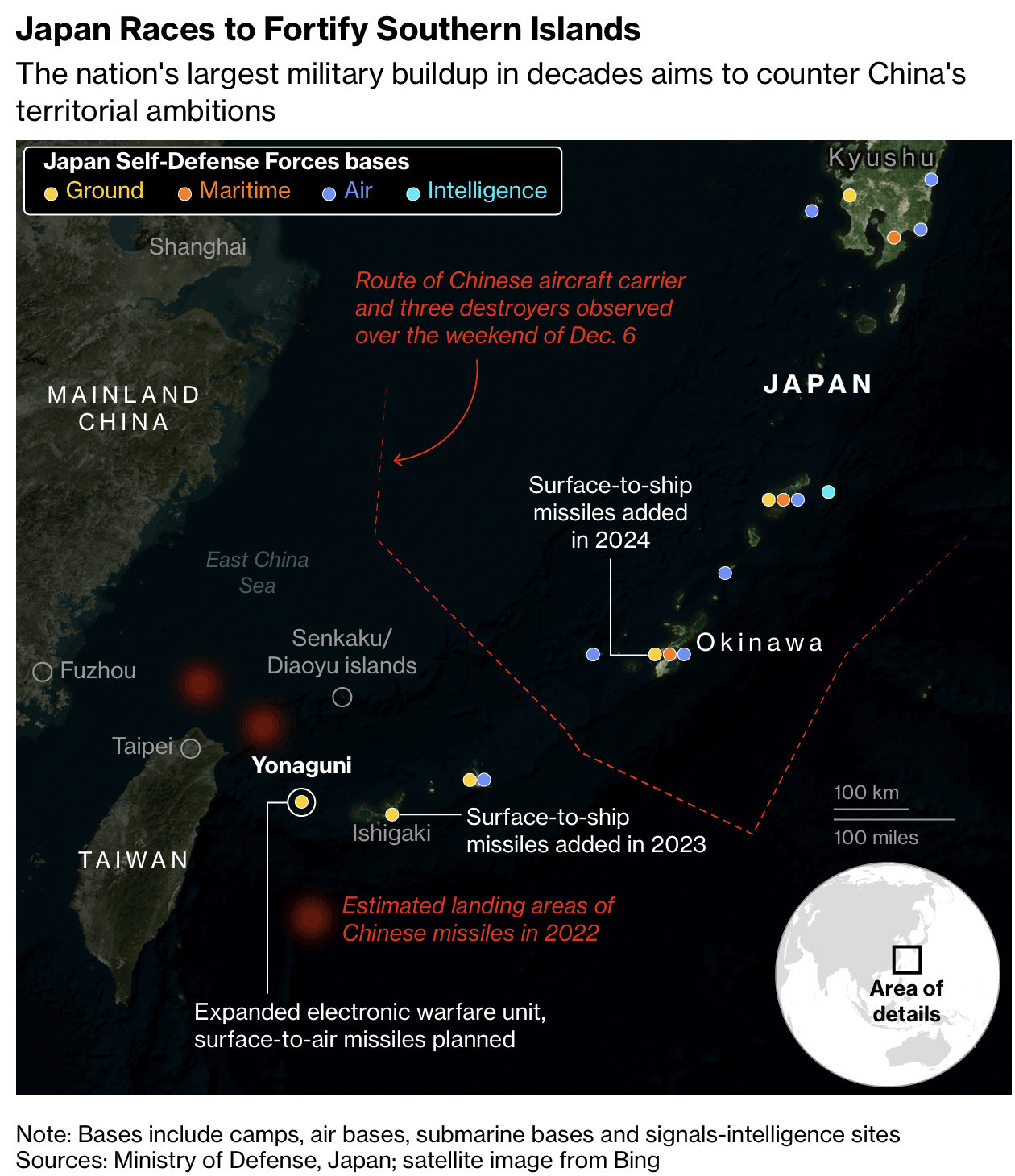
日本防务政策已开始发生重大变化。受俄乌战争和中国在台湾周边导弹行动影响,日本在2022年启动数十年来最大规模军事扩张计划,将国防开支目标从长期约占GDP的1%提高到2028年前达到2%。Takaichi政府已提前达到这一水平,并部署反击导弹、防空雷达和弹药储备,同时考虑发展核动力潜艇并放宽武器出口限制,以强化国内防务产业。
地区安全环境正在推动政策支持。日本公众对修宪的支持有所上升,尤其是在50岁以下人群中,对战后和平主义限制的认同较弱。与此同时,中东战争可能分散美国军事资源,使日本在遏制中国方面的战略重要性提高。宪法修订仍需国会两院三分之二支持并通过全民公投。若改革成功,日本将从战后以经济发展为主、军事依赖美国的“吉田主义”模式,转向更自主的安全与防务战略。
Japanese Prime Minister Sanae Takaichi won one of the largest parliamentary mandates in the country’s history in the Feb. 8, 2026 election, securing a commanding majority in the lower house that allows her to pursue major changes to Japan’s postwar security framework. She aims to revise the 1947 constitution, particularly Article 9 that restricts Japan’s ability to wage war, while expanding military and intelligence capabilities, including creating a CIA-style intelligence agency and passing anti-espionage legislation. Japan still relies heavily on its alliance with the United States, which maintains about 53,000 troops in the country under a security treaty first signed in 1951.
Japan’s defense posture has already begun shifting significantly. After Russia’s invasion of Ukraine and China’s missile activity near Taiwan, Japan launched its largest military buildup in decades in 2022, raising defense spending targets from a long-standing level near 1% of GDP to 2% by 2028. Takaichi’s government has already reached that level and is deploying counterstrike missiles, radar systems, and ammunition stockpiles while considering nuclear-powered submarines and loosening restrictions on defense exports to strengthen the domestic defense industry.
Regional security pressures are increasing support for these policies. Public backing for constitutional revision has grown, especially among Japanese under 50 who are less attached to postwar pacifism. At the same time, the Middle East war could divert US military resources, increasing Japan’s strategic role in balancing China. Constitutional revision still requires two-thirds approval in both houses of parliament and a national referendum. If successful, Japan would shift from the postwar “Yoshida Doctrine,” which prioritized economic growth under US protection, toward a more autonomous security and defense strategy.