亚洲城市化仍在快速起步,发展中地区的人口迁移进入城市已达数亿级,南亚仅有35%的城市化率,与北美80%相比仍明显偏低。亚洲拥有超过11亿贫民窟人口中的一半以上,且超过40%的亚洲城市居民住在某种程度上不达标的住房中,如简陋、缺乏供电供水或过度拥挤。
住房缺口规模巨大:菲律宾自称还缺7百万套住房,印度尼西亚短缺2,700万套,印度估算高达4,700万套,而马尼拉优质公寓价格约为中位家庭收入的20倍,是“可负担”标准的4倍。研究显示,用更好的住房替代贫民区可使预期寿命提高4%、入学率提高28%,并带来地方GDP高达10%的增长。
政策可显著改变住房市场,孟买2018年放宽建筑高度后,受影响地区住房供应增加58%,新建单元价格下降24%;但在南亚和东南亚,住房按GDP计的贷款余额通常低于10%,而富裕国家超过50%。德里“阿莎基兰”项目只有3,000套住房服务3,000万人口,单套购价14.7万卢比,菲律宾也将2028年前建造优质住房目标从600万套下调至约100万套。
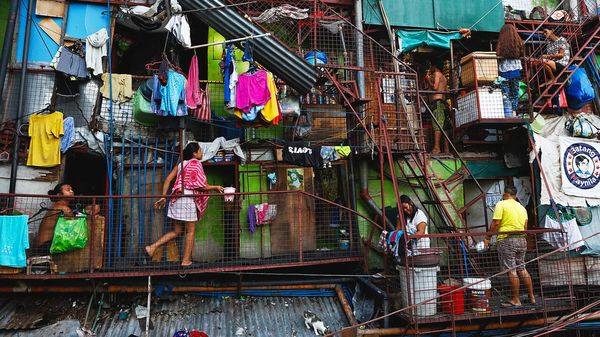
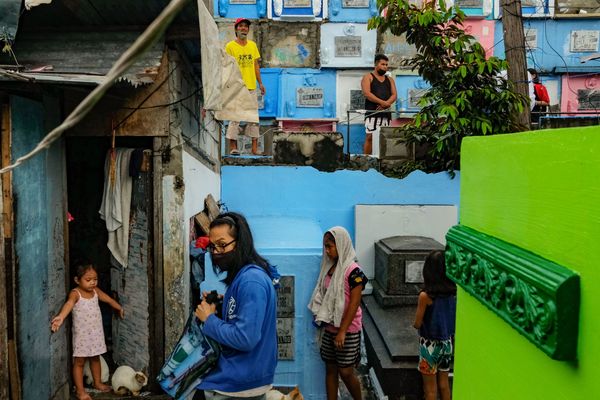
Across Asia, urbanization is still accelerating, with hundreds of millions moving into cities, while South Asia remains only 35% urban versus 80% in North America. Asia also holds more than half of the 1.1 billion slum residents, with over 40% of its urban population living in some way substandard housing.
The housing deficits are huge: the Philippines says it needs 7 million more homes, Indonesia is short 27 million, and India’s estimate reaches 47 million, while quality flats in Manila cost about 20 times median household income and four times the affordability threshold. Replacing slum housing with better homes is associated with a 4% rise in life expectancy, a 28% rise in school attendance, and local GDP gains of up to 10%.
Policy shifts can materially change outcomes, as seen in Mumbai where allowing taller buildings in 2018 raised supply by 58% and cut new-unit prices by 24%; meanwhile, housing credit is weak, with mortgage debt typically below 10% of GDP in South and Southeast Asia versus over 50% in rich countries. Delhi’s Asha Kiran public housing has only 3,000 units for a city of 30 million with a price of 147,000 rupees per one-bedroom unit, and the Philippines reset its 2028 target from 6 million to about 1 million homes.
Source: The world’s most unaffordable housing is not where you think
Subtitle: Asia’s great cities will founder without more reasonably priced homes
Dateline: 3月 26, 2026 05:39 上午 | Delhi, Phnom Penh and Singapore