伊斯兰革命卫队(IRGC)成立于1979年伊斯兰革命胜利后,最初设想的规模仅为5,000名专业人员上下、另有大约五到十倍的半职业人员,并借鉴了像美国国民警卫队、瑞士和以色列的全民防卫结构。随后其任务逐步偏离:1980–88年伊朗—伊拉克战争后进入建设和其他经济活动,1990年代末改革浪潮中被最高领袖用于政治镇压,2000年代中期后则深入到恐怖主义与有组织犯罪网络。
目前,其常规军事体系人数被评估为逾18万,受其控制的巴斯季组织宣称至少有250万成员;其下属的卡斯特部队(库兹部队)以“数千人”估计,过去一项估计值为14,000名干部。情报表述还称其在国内外可运行的秘密细胞数量达数千,最高可达3万,这些单位在国家机构受损时仍可能独立作战、破坏并制造不稳定。
尽管规模庞大,作者强调IRGC并非像一支传统军队那样具备单一清晰指挥链,决策权核心仍在最高领袖办公室,且高层腐败已削弱基层忠诚;情报部六个月前的内部评估显示约一半基层成员把入伍主要当作就业,另一半中多数对将军层的腐败和领导失误不满。文章据此认为,若在终止战争条件下推动成立包含改革派、现政府派、共和派、君主派、民族力量及受尊敬的IRGC指挥官的“国家和解委员会”,并由其推动过渡政府与公投,可能成为避免内战的一条现实路径。
The Islamic Revolutionary Guard Corps (IRGC) was created immediately after the 1979 revolution with an original design of no more than 5,000 professionals and perhaps up to ten times that number of semi-professionals, inspired by reserve-style force models such as the U.S. National Guard and Swiss and Israeli civilian-defense concepts. Over time, it drifted from that role in three phases: postwar expansion into construction and other economic sectors after 1980–88, political suppression during the late-1990s reform period, and a shift from the mid-2000s into terrorism and organized-crime networks across the region.
Today the IRGC’s military branches are assessed at more than 180,000 personnel, the Basij militia claims at least 2.5 million members, and the Quds Force is estimated at only "thousands" of permanent cadres, with one earlier estimate around 14,000. Security reporting also describes thousands of clandestine cells—some sources say up to 30,000—plus succession resilience measures that reportedly named up to three replacements per commander after senior assassinations, suggesting continuity planning despite fragility at the top.
The analysis argues the organization is not a conventional army with one clear chain of command, since key authority remains concentrated in the supreme leader’s office, and corruption has eroded lower-rank loyalty, making internal cohesion brittle despite scale. A Ministry of Intelligence assessment said about half of rank-and-file members view membership mainly as a job, while a majority of the rest are dissatisfied with elite corruption and policy failures; this, the author argues, leaves space for a National Reconciliation Council including reformists, current government supporters, republicans, monarchists, ethnic groups, and respected IRGC commanders to supervise a transition government and referendum, though the proposal is uncertain and politically hard but not impossible.
Source: Iran’s Revolutionary Guards won’t defend the regime to the last ma
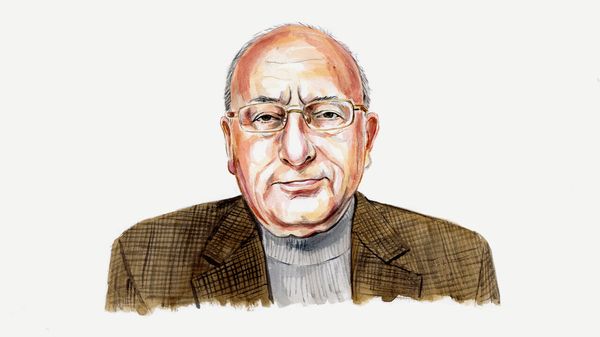
Subtitle: Mohsen Sazegara, one of the force’s founders, believes its various units are more divided than they appear
Dateline: 3月 26, 2026 04:45 上午