在曼哈顿最南端的Battery海岸,公园里游客、慢跑者和家庭人流拥挤,钓鱼向导Seth Fera-Schanes在码头设钓具并提到现在能钓到条纹鲈、黑鲈和tautog。纽约市立法机构发布的新建议称,在过去50年里首次,普通人每月可食用一份条纹鲈,不再禁止孕妇和儿童。 纽约港口附近曾是重工业和污水密集排放区,渔民以“看见、钓到、再放生”为主,而“吃掉”捕获物如今也第一次被大规模放开。
哈德逊河污染主因是PCB,通用电气在20世纪40年代在河岸两家工厂使用这种电容器绝缘液,这类物质后来与致癌风险相关。EPA在1977年禁产PCBs,1984年又将从Battery向北延伸200英里的河段列入超级基金场地,并将清理任务列为GE重点。
2009年起的修复在6年后完成,动用了1,7000万立方英尺? 具体为2.75百万立方码(约2.1百万立方米)的淤泥清挖工程,工程量足以填满100个纽约市区街区1米深。虽然专家称“几乎全年、几乎全段、几乎随时都可游泳”,可食用仍只限部分区域和物种,向北捕捞的鱼与部分种类仍在禁食清单,趋势是安全边界扩大但未完全恢复正常。
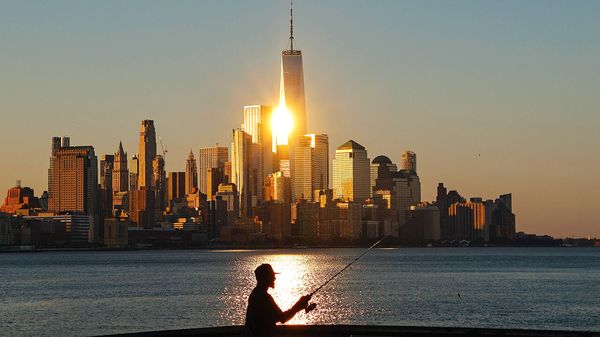
The Battery on Manhattan’s southern shore is crowded with tourists, joggers, families, and anglers, where guide Seth Fera-Schanes now lists striped bass, black sea bass, and tautog as viable catches. New York Department of Health guidance issued this month marked a first in 50 years: one serving of striped bass per month is now considered safe for everyone, replacing prior warnings against pregnant women and children.
Hudson pollution was historically dominated by PCBs, which GE used in two factories along the river from the 1940s onward, with later evidence linking exposure to cancer. EPA banned PCB manufacturing in 1977 and in 1984 designated a 200-mile stretch beginning at the Battery as a Superfund site, placing cleanup obligations on GE.
A six-year dredging project began in 2009 and removed 2.75 million cubic yards (2.1 million m3) of PCB-laden sediment at a cost of $1.7 billion, equivalent to filling 100 New York City blocks to a depth of 1 meter. Experts now say swimming is possible almost everywhere, almost always, while edible-fish rules remain limited by location and species, indicating recovery is widening but not yet complete.
Source: The Hudson is now so clean that everyone can eat from it
Subtitle: Battery sashimi, anyone?
Dateline: 4月 16, 2026 04:16 上午 | NEW YORK