相反地,年轻一代更青睐 AI,有 80% 的 Z 世代使用它来管理个人财务,例如 Sofia Ayala 使用 ChatGPT 来管理她 200,000 美元的积蓄。目前,仅有 25% 至 30% 的美国人与顾问保持关系。然而,McKinsey 预测未来将出现 100,000 名顾问的短缺,这是由于千禧世代拥有的财富比同龄时期的前几代人多出 23%,且他们预计将继承约 46 兆美元。
AI 工具承诺提高效率,协助有 70% 会在五年内退出该行业的新手顾问。然而,风险依然存在:研究显示,AI 的财务建议有 33% 的机率是不准确的,并导致 50% 的使用者做出糟糕的财务决定。因此,虽然估值近 20 亿美元的金融科技初创公司 Altruist 的执行长 Jason Wenk 预测 AI 将能复制 99% 的人类能力,但 Cresset Capital 的 Kelly Wagman 则认为,在危机期间人类提供的支持仍是不可替代的。
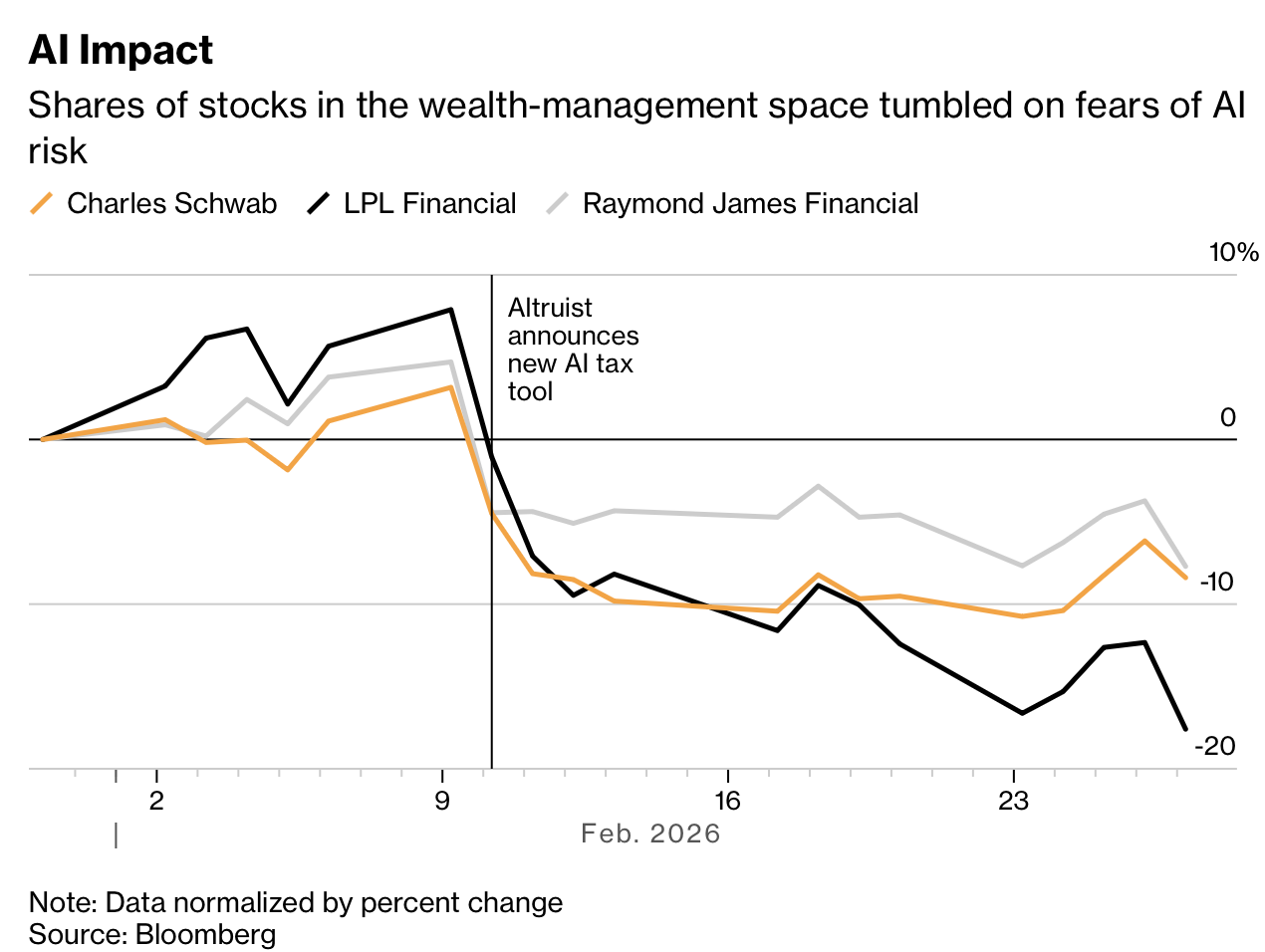
At the Future Proof conference in Miami Beach, held in a 2,136.77-square-meter (23,000-square-foot) beachfront pop-up, wealth managers addressed the rise of AI. While the US has over 326,000 personal financial advisers earning upwards of $500,000 annually, their roles face disruption. A 2025 Cerulli survey indicated 86% of investors with at least $250,000 in assets prioritize human advisers, up from 81% in 2024, showing persistent demand among high-net-worth clients holding $1 million to $30 million.
Conversely, younger generations favor AI, with 80% of Gen Z using it for personal finance, and Sofia Ayala using ChatGPT to manage her $200,000 nest egg. Currently, only 25% to 30% of Americans maintain relationships with advisers. However, a looming shortage of 100,000 advisers is projected by McKinsey, driven by millennials who possess 23% more wealth than previous generations at their age and are poised to inherit $46 trillion.
AI tools promise efficiency, helping rookie advisers where 70% typically exit within five years. Yet, risks persist: studies show AI financial advice is inaccurate 33% of the time, causing poor decisions for 50% of users. Consequently, while Jason Wenk, CEO of the $2 billion fintech startup Altruist, predicts AI will replicate 99% of human capabilities, Kelly Wagman of Cresset Capital argues that human support during crises remains irreplaceable.