国税局重点锁定那些在预先安排下、快速且大幅更换投资组合的激进案例,明确指出若 ETF 仅被当作规避税负的中介管道,其税务处理将回归实质原则进行「重新定性」,进而可能触发庞大的资本利得税帐单。这项指引在 ETF 业界引发广泛震撼与法律争论,特别是关于 ETF 在将投入的证券分配出去之前必须持有该资产多长时间的模糊边界,引发从业人员高度关注。
除了针对第 351 条转换祭出规范,国税局亦释出一份范围广泛的通告,计划全面整顿富豪族群热门的「税务超额回报(tax alpha)」策略,包括结合交换基金(exchange fund)与 ETF 的复合操作架构。虽然部分基金主管与税务律师认为正常运作的 351 种子机制仍具备合法合规空间,但监管机关此番严厉出手,势必将迫使资产管理机构重新审视并收紧其避税设计。
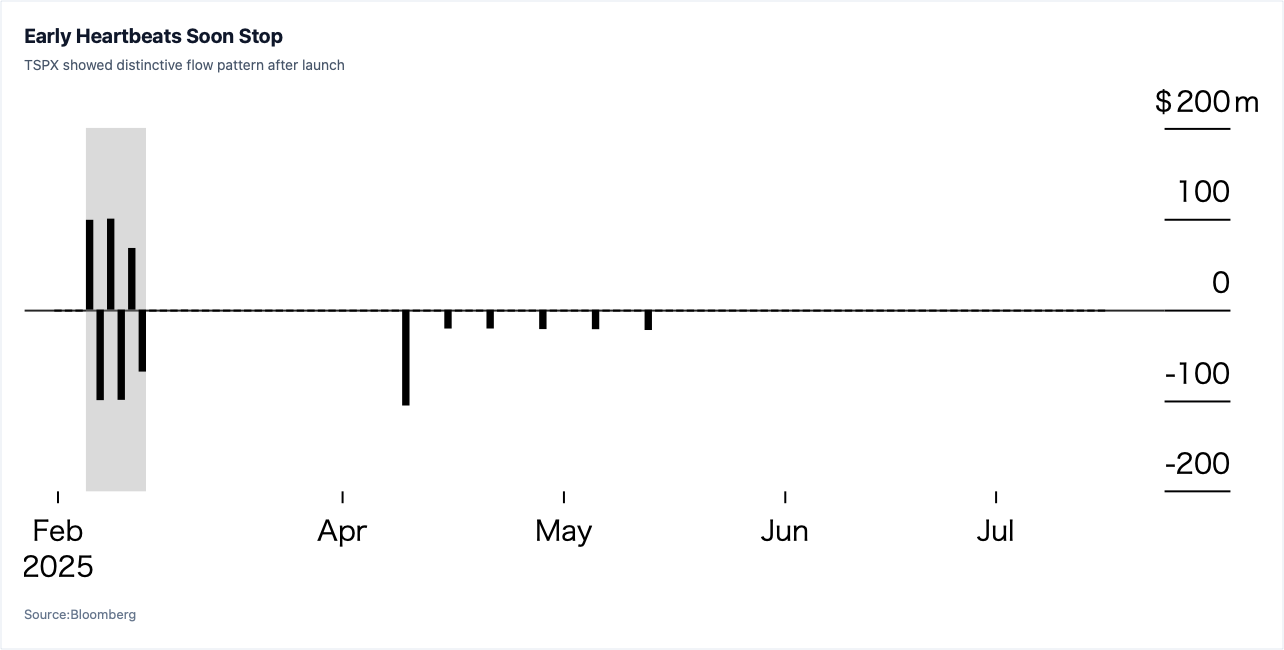
In recent years, Wall Street has leveraged Section 351 of the tax code and the unique in-kind redemption mechanics of ETFs to build a $23 billion business designed to help wealthy investors reshape appreciated stock portfolios without immediately triggering capital-gains taxes. However, on Monday, the Internal Revenue Service delivered its clearest regulatory warning and ruling yet, directly targeting aggressive practices that effectively utilize ETFs as conduits for tax-deferred asset transformations.
The IRS is focusing on aggressive, prearranged plans where portfolios are substantially altered shortly after launch, asserting that the tax treatment in such transactions can be recharacterized according to economic substance and potentially trigger taxable events. This guidance has triggered significant uncertainty across the ETF industry, leaving fund professionals and legal advisers scrambling over key compliance boundaries, particularly regarding how long contributed securities must be held before being distributed.
Alongside the Section 351 ruling, the IRS issued a broad notice signaling a wider crackdown on so-called 'tax alpha' strategies tailored for the ultra-wealthy, including complex combinations of exchange funds and ETFs. While several fund managers and tax attorneys maintain that bona fide uses of 351 seed transactions remain legally viable, the agency's decisive stance will compel asset managers to fundamentally re-evaluate and curtail overly aggressive tax-avoidance structures.