面对庞大的 AI 基础设施建置资金需求,辉达过去已承诺提供融资担保以撬动高盛与阿波罗等机构的五千亿美元资本,并担保上千亿美元的租赁合约。如今辉达由金融解决方案部门牵头,探索进一步利用保险机构将风险分销至避险基金等另类投资者的模式,甚至可能亲自参与组建财团,以避免巨额交易规模超出传统保险业者的承保上限。
业界正逐步采用类似剩余价值保险的机制来抹平新兴云端厂商与科技巨头之间的交易对手风险,并仰赖专业评估机构提供的长期折旧与转售价值模型来争取放款机构信任。随著晶片折旧与算力市场定价透明化,相关保险产品将有助于建构更具流动性且规模化的 AI 算力金融生态圈,同时辉达亦宣布实施创纪录的一千五百亿美元股票回购计划。
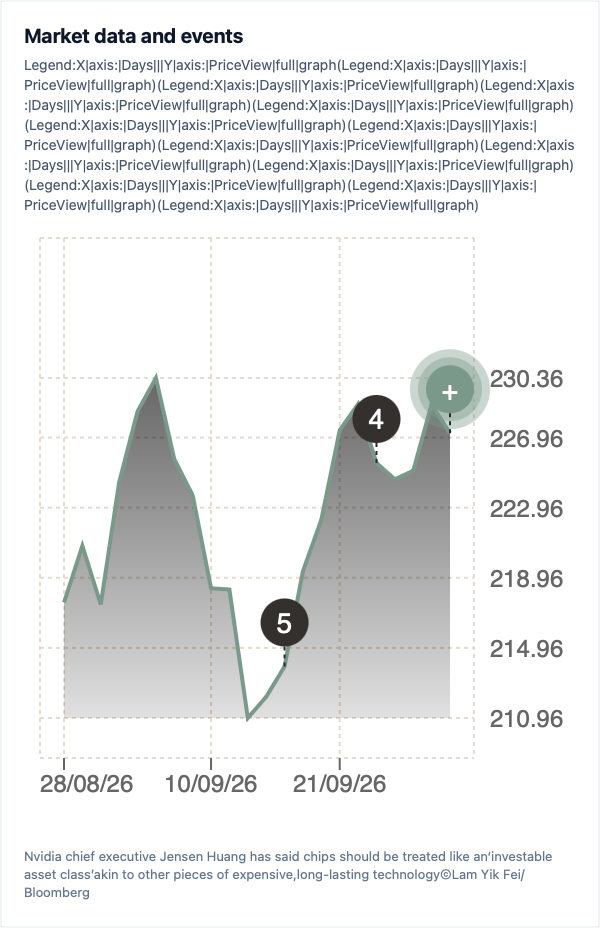
Nvidia chief executive Jensen Huang is actively positioning AI chips as an investable asset class akin to commercial aircraft, holding early discussions with insurance firms and brokers to structure arrangements that transfer the financial risks of chip-backed lending. This initiative aims to protect lenders against defaults by emerging cloud providers, known as neoclouds, whose collateralized semiconductors might not recoup debt upon resale, thereby unlocking outside capital for customers lacking Big Tech balance sheets.
To support massive AI infrastructure build-outs, Nvidia has previously backstopped major Wall Street financing and guaranteed substantial lease agreements for data centers. The current insurance discussions, spearheaded by Nvidia's financial solutions team, explore syndicating high-volume risk from insurers to hedge funds and alternative asset managers, while Nvidia also evaluates joining consortiums alongside financial partners to manage transactions that might otherwise overwhelm traditional insurers.
The emerging market is exploring residual value insurance to level counterparty risk between smaller cloud startups and established tech giants, relying on specialized research providers for forward-looking chip valuations and depreciation schedules to satisfy lender requirements. As transparent resale and revenue metrics take shape to facilitate outside capital inflows, Nvidia is scaling its compute ecosystem while simultaneously executing a record $150 billion share buyback program.