美国在预测市场上的交易活动激增:卡尔希(Kalshi)和 Polymarket 的合并交易量去年超过 500 亿美元,而前一年只有 160 亿美元,意味着周转量增长超过三倍。 这表现出明确的上升趋势,年增长约为 340 亿美元,或约 213%。
大多数投注仍然集中在体育赛事上,但市场现在也包括天气、政治和宏观经济结果,如官方 GDP 增长、就业(工资单)数据及通胀。 尽管这类宏观类竞猜仅占总交易量的约 1%到 2%,绝对资金规模仍足以吸引美联储关注。
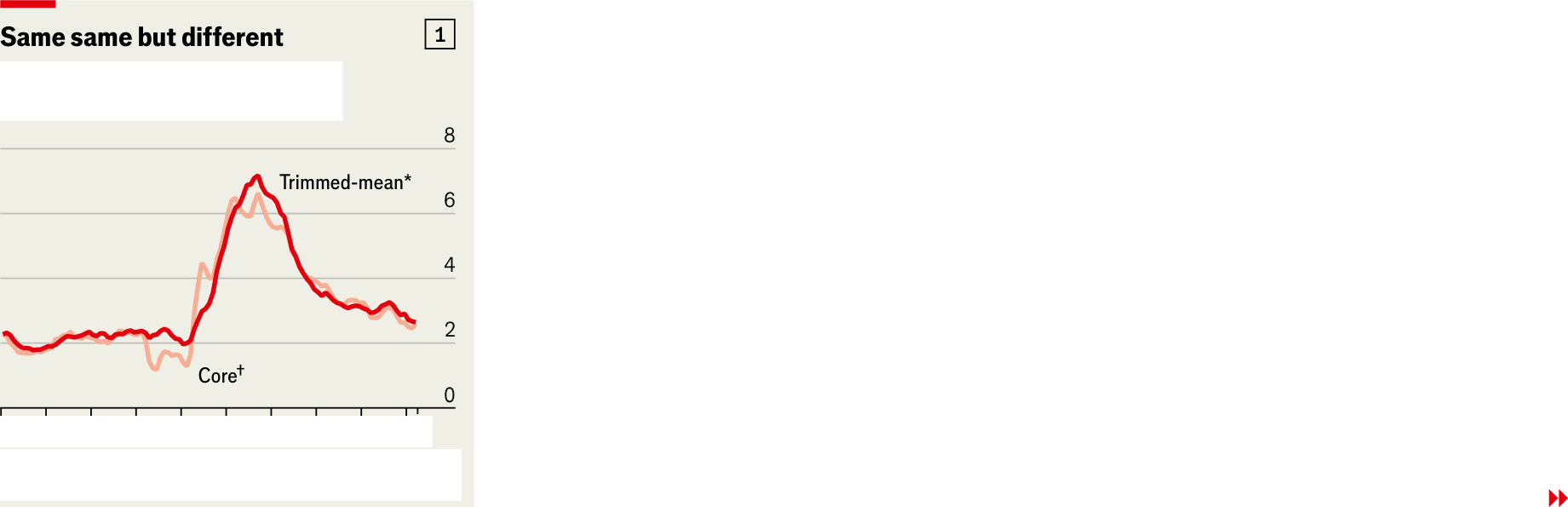
美联储并未自己设定赔率,但美联储的安东尼·迪尔克斯(Anthony Diercks)及同事发布的一份研究论文评估了卡尔希数据是否能补充现有的信息来源,如调查、金融市场和内部模型。 该背景表明机构正在审视预测市场数据,并引用美国消费者物价指数同比变化(CPI)作为追踪的宏观指标之一。
American prediction-market activity surged: combined trading volume on Kalshi and Polymarket exceeded $50 billion last year, up from $16 billion the year before, meaning turnover increased by more than three times. This shows a clear upward trend, with growth of about $34 billion or roughly 213% year-over-year.
Most betting remains sports-focused, but markets now also include weather, politics, and macroeconomic outcomes such as official GDP growth, payrolls, and inflation. Although these macro bets account for only about 1–2% of total trading, the absolute dollar flow is large enough to attract Federal Reserve attention.
The Federal Reserve is not setting odds itself, yet a Fed paper by Anthony Diercks and colleagues evaluates whether Kalshi can supplement other inputs already available to the central bank, including surveys, financial markets, and internal models. The context indicates institutional scrutiny of prediction-market data, with U.S. CPI year-over-year change cited as one of the tracked macro indicators.
Source: In odds we trust
Subtitle: How prediction markets can help the Federal Reserve
Dateline: The Economist May 2nd 2026