离岸人民币 2025 年升值近 4%,有望创 2020 年以来最佳年度表现,主要受益于官方汇率中枢支撑、中国股市吸引资金回流及美元走弱(美元指数今年下跌约 7%)。这一走势与 2018–2019 年人民币从高位到低点累计贬值逾 13% 的贸易战时期形成对比。多家机构上调预测,普遍预期 2026 年人民币将进一步升至约 7 元兑 1 美元,甚至 6.95;部分激进预测认为一年内可能到 6.85。Goldman Sachs、MUFG 与 ANZ 均将“做空美元买入人民币”列为重要交易策略,春节前出口商结汇和银行缩美元头寸的季节性效应被视为短期支撑因素。
多位经济学者认为人民币被低估。前美国财政官员估计人民币较公允价值低约 18%;BIS 数据显示中国实际有效汇率处于 2011 年以来低位。随着美联储降息前景增强、美元走弱、全球南方市场出口扩张及供应链主导度提升,市场预期人民币升值压力“单向且不断累积”。但快速升值存在成本,包括压缩出口利润、吸引短期资本导致资产泡沫及潜在金融风险。
尽管市场看涨,人民银行近期两次设定弱于预期的中间价,显示其试图放缓升值节奏。若贸易谈判顺利,BNP Paribas 预计今年底人民币可能升至 7,2026 年至 6.5–6.8 区间;若更多海外资金确认中国经济企稳,过去三年流出的资本可能重新回流。总体趋势显示人民币升值具结构性支撑,但监管层将控制节奏以平衡增长、出口与金融稳定。
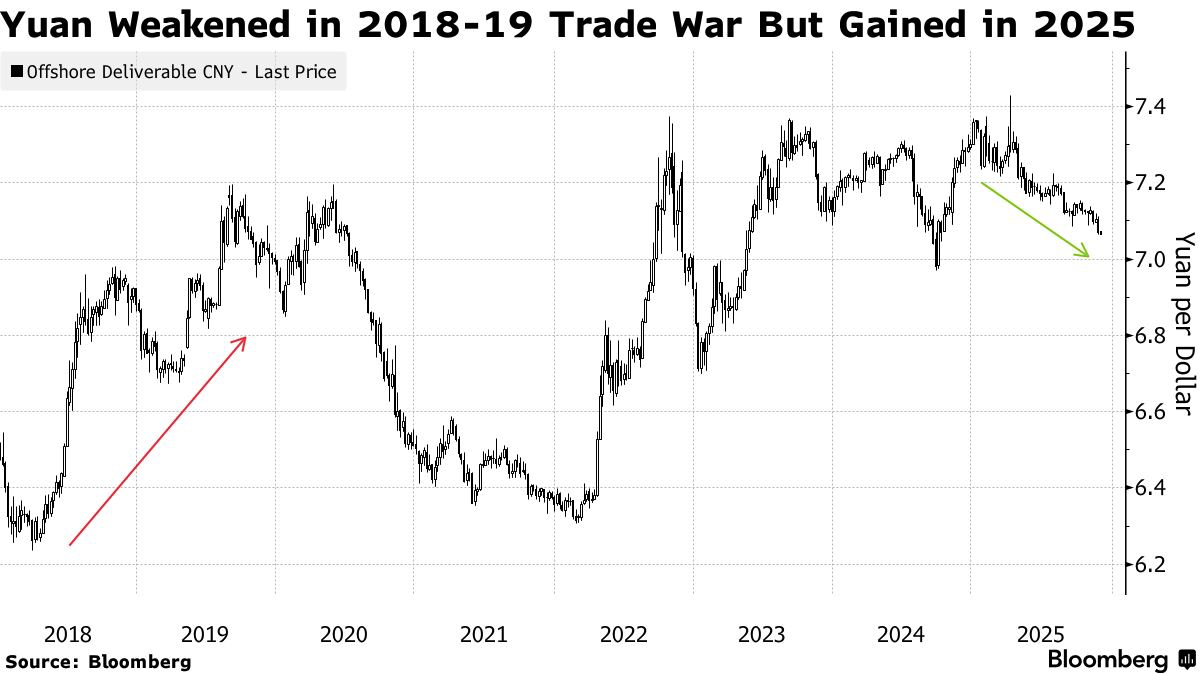
The offshore yuan has appreciated nearly 4% in 2025, on track for its best year since 2020, supported by stronger daily fixings, equity inflows, and a roughly 7% decline in the Bloomberg Dollar Spot Index. This contrasts sharply with the 2018–2019 trade-war period, when the yuan fell more than 13% from peak to trough. Major institutions have turned more bullish: forecasts for 2026 cluster around 7 per dollar or 6.95, with some expecting 6.85 within a year. Goldman Sachs, MUFG, and ANZ list selling the dollar against the yuan as a top trade, citing seasonal exporter conversions and banks reducing dollar holdings ahead of Lunar New Year.
Analysts argue the yuan is undervalued. Former US Treasury officials estimate it sits about 18% below fair value; BIS data shows China’s real effective exchange rate near its lowest since 2011. With expected Fed rate cuts, a weaker dollar, China’s export diversification toward the Global South, and extended dominance in key supply chains, upward pressure on the yuan is seen as “one way and mounting.” Risks remain: rapid appreciation could hurt exports, draw in hot money, inflate asset bubbles, and threaten financial stability.
Despite market momentum, the PBOC has recently set the fixing weaker than analyst estimates for two consecutive weeks, signaling a desire to slow the rally. BNP Paribas projects a move to 7 by year-end and to the 6.5–6.8 range in 2026 if trade talks progress. Should more foreign investors gain confidence in China’s recovery, capital that exited three years ago may return. Overall trends show structural drivers for yuan appreciation, moderated by policy management to balance growth, exports, and stability.