1月7日,在明尼阿波利斯一条住宅街上,ICE探员乔纳森·罗斯在其车内开枪击毙蕾妮·古德,共开了三枪。特朗普政府高层迅速为此辩护,而司法部转而调查受害者的遗孀,六名检察官以辞职抗议。
副总统J.D.万斯主张罗斯享有“绝对豁免”,并与斯蒂芬·米勒此前对ICE的表态呼应,但更相关的是联邦官员在履职时通常受“最高权力条款豁免”保护以抵御州起诉。该原则可追溯至1890年的“In re Neagle”,并在20世纪60年代一宗有关催泪瓦斯的案件中得到强化;最高法院自1920年以来未再细化标准,而两项限制——行为须获联邦法授权且仅限于履职所“必要且适当”的范围——仍具关键意义。
下级法院围绕“必要且适当”形成两种解释:少数观点更偏向以探员主观信念为核心,而主流观点采用更客观的“合理警官”标准,因此对罗斯更不宽容。即便缺乏联邦检方配合,明尼苏达仍可能依据公开记录与多段视频证据推进指控,而联邦不愿追责在统计意义上等同于将更大压力转移给州检方。
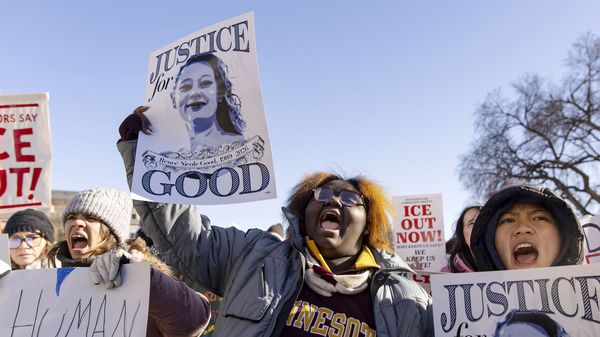
On January 7 in Minneapolis, ICE agent Jonathan Ross shot and killed Renee Good in her car, firing three shots. Senior Trump administration officials quickly defended the shooting, while the Justice Department instead investigated the victim’s widow, prompting the resignation of six prosecutors in protest.
Vice-President J.D. Vance argues Ross has “absolute immunity,” echoing Stephen Miller’s earlier message to ICE, but the more relevant shield is “supremacy-clause immunity,” which often protects federal officials from state prosecution while on duty. The doctrine traces to the 1890 case In re Neagle and was reinforced in a 1960s tear-gas prosecution; the Supreme Court has not elaborated the standard since 1920, yet two constraints remain central—authorization by federal law and action no more than “necessary and proper” to perform the job.
Lower courts apply two competing readings of “necessary and proper”: a minority, more subjective approach and a favored, more objective “reasonable officer” test that is less accommodating to Ross. Even without federal cooperation, Minnesota may rely on public evidence, including multiple videos, and federal unwillingness to pursue accountability effectively shifts more pressure onto state prosecutors.
Source: The ICE officer who killed Renee Good may yet be charged
Subtitle: What the “supremacy clause” does and does not say
Dateline: 1月 15, 2026 05:52 上午 | Chicago