美国人对长期就业前景的悲观情绪创下历史新低:一项调查显示,平均每人认为自己在未来五年内有22%的失业概率,甚至高于2007-09年全球金融危机时期;另一项调查中,近五分之一的美国工人认为AI或自动化“非常”或“有点”可能取代他们。与此同时,AI公司领袖也在放大这种焦虑,Anthropic的Dario Amodei警告失业率可能升至10-20%,而OpenAI的Sam Altman和微软的Bill Gates都承认AI会带来显著转型。
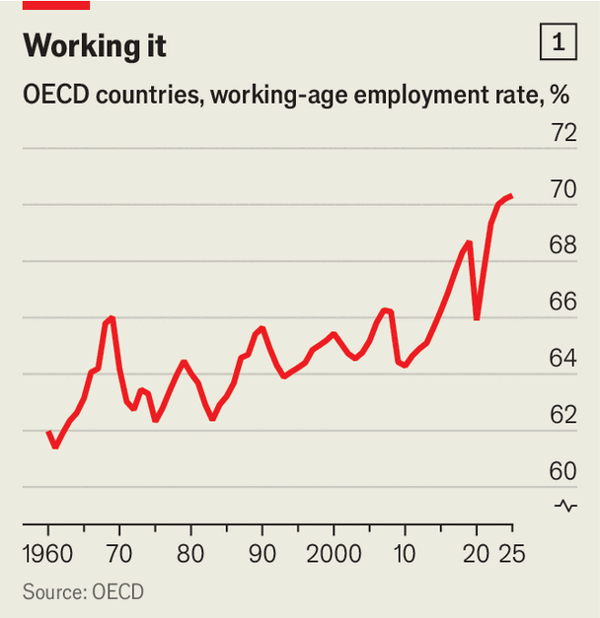
但经济学家认为当前劳动力市场并未出现崩裂:OECD工作年龄人口就业率持续创新高,成员国失业率仅5%,美国在法律等“受AI影响”行业的就业人数甚至更多。美国劳工统计局预计2024至2034年将新增520万个岗位,使总就业增加3%,历史经验也表明技术扩散通常缓慢,往往先提高生产率,再通过新的支出和新行业创造就业。
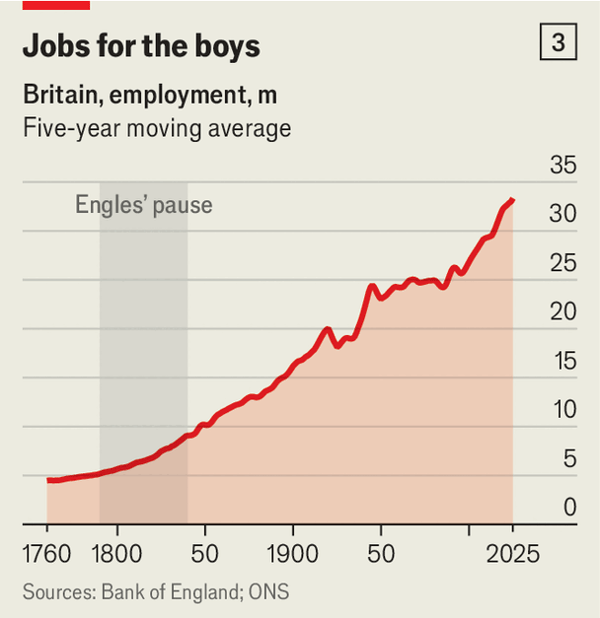
历史上,农业机械化、20世纪中叶的计算机与集装箱,以及19世纪英国工业革命都没有证明技术必然导致长期大规模失业;相反,英国1760至1860年就业人数从450万增至1200万,失业总体仍温和。若AI真会引发前所未有的冲击,最早信号将是美国这一前沿经济体的生产率大幅上升、实际工资增长疲弱、企业利润飙升以及跨行业的大规模裁员,而历史还暗示这种冲击更可能在衰退中显现。
Americans are more pessimistic about long-term job prospects than at any time in polling history: one survey says the average person sees a 22% chance of losing their job in the next five years, worse than during the 2007-09 global financial crisis; another finds nearly one in five workers think AI or automation is “very” or “somewhat” likely to replace them. AI leaders are amplifying the anxiety too, with Anthropic’s Dario Amodei warning unemployment could reach 10-20%, while OpenAI’s Sam Altman and Microsoft’s Bill Gates concede that AI implies major transition.
Economists, by contrast, see no sign of a broken labour market: the OECD’s working-age employment rate keeps hitting records, unemployment across its mostly rich members is just 5%, and America employs more people than ever in “AI-exposed” fields such as law. The U.S. Bureau of Labour Statistics expects 5.2m additional jobs from 2024 to 2034, lifting total employment by 3%, and history suggests technological diffusion is usually slow, creating new work as productivity gains and new spending ripple through the economy.
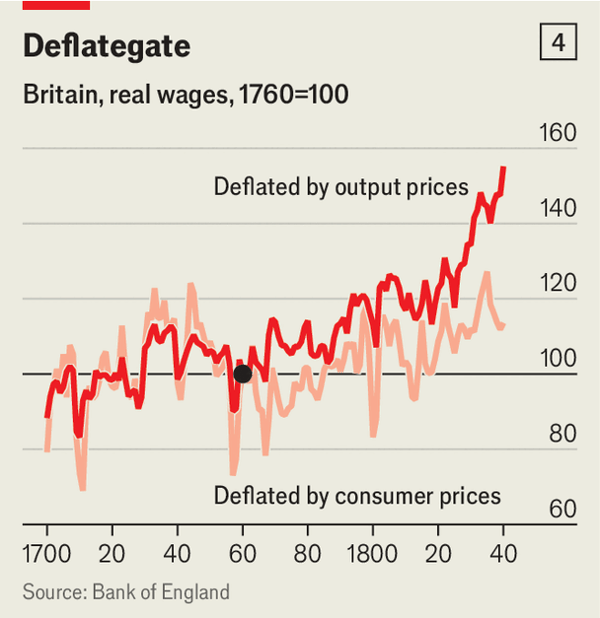
Past episodes do not show technology inevitably causing prolonged mass unemployment: farm mechanisation, mid-20th-century computers and shipping containers, and Britain’s Industrial Revolution all transformed work without producing a lasting labour-market collapse. If AI does prove different, the first signs would be U.S. productivity surging well above Robert Gordon’s 2.5% frontier ceiling, real wage growth staying weak while corporate profits jump, and large job losses across many industries, with any disruption most likely to surface in a recession.
Source: The jobs apocalypse: a (very) short history
Subtitle: Mass unemployment induced by AI would be unprecedented
Dateline: 5月 14, 2026 11:24 上午 | San Francisco