中国对来自日本的关键芯片材料二氯硅烷启动反倾销调查,调查期限为一年,可能再延长六个月。该材料用于逻辑、存储和模拟芯片的薄膜制造。此举发生在日本就潜在广泛出口管制指责北京之后。此前一天,中国宣布对可能具有军事用途、出口至日本的物项实施管制。市场反应显示,日本汽车股下跌,而稀土相关股票上涨,反映出对供应链影响的担忧。
日本在超高纯度二氯硅烷领域处于全球领先地位,而中国正推动半导体上游材料和工具的本土化。日本外务省就出口管制提出正式抗议。数据显示,2024年日本自中国进口的两用物项规模约为10.7万亿日元(684亿美元),占其自中国商品进口总额的约42%。中国表示,所有可能增强日本军事能力的两用物项即刻禁止出口,相关清单涵盖800多种物项。
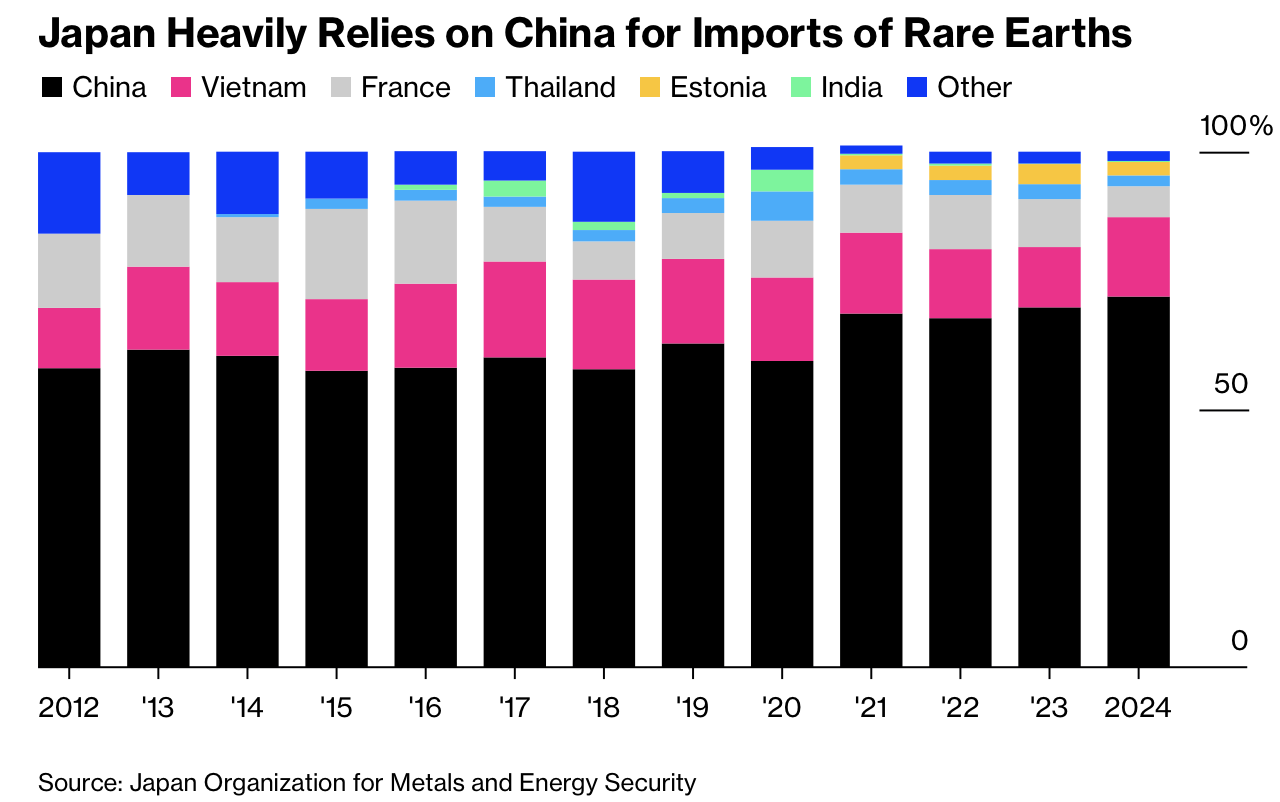
日本约70%的稀土进口在2024年依赖中国。若稀土出口限制持续三个月,预计经济损失约为6600亿日元,日本经济产出将下降0.11%。企业与市场已出现显著波动,相关公司股价单日涨幅最高达20%,而大型制造商跌幅约3%。分析认为,模糊而广泛的管制旨在施压日本在地区安全问题上让步,同时强化中国在关键资源上的杠杆。
China launched an anti-dumping probe into dichlorosilane from Japan, a key chipmaking material, with a duration of one year and a possible six-month extension. The material is used in thin films for logic, memory, and analog chips. The move followed Japan’s rebuke of Beijing over potentially broad export controls. A day earlier, China announced controls on items with possible military uses exported to Japan. Markets reacted with declines in Japanese automaker shares and gains in rare-earth stocks, signaling supply-chain concerns.
Japan is the global leader in ultra-high-purity dichlorosilane, while China is pushing localization of upstream semiconductor materials and tools. Japan’s Foreign Ministry lodged a formal protest. Data show Japan’s imports of dual-use items from China totaled about ¥10.7 trillion ($68.4 billion) in 2024, roughly 42% of its total goods imports from China. China said all dual-use items that could enhance Japan’s military capability are banned effective immediately, with a control list covering more than 800 items.
About 70% of Japan’s rare-earth imports in 2024 depended on China. If rare-earth export restrictions last three months, estimated economic losses would reach about ¥660 billion, cutting Japan’s output by 0.11%. Companies and markets have already shown sharp moves, with some related firms rising as much as 20% in a day while major manufacturers fell about 3%. Analysts assess the ambiguity and breadth of controls as pressure on Japan over regional security while reinforcing China’s leverage in critical resources.