中国监管机构对帮助大陆投资者绕过严格资本管制进行境外投资的在线经纪商展开了打击。拥有超过350万客户的著名科技型券商富途证券(Futu Securities)与几家竞争对手一起,被指控在未获得牌照的情况下在大陆提供服务。因此,富途面临约2.71亿美元的罚款,并必须在两年内关闭非法账户,导致其在纳斯达克上市的股票价格自5月下旬以来下跌了五分之一。这次监管干预的时机不同寻常,因为人民币近期表现强劲,缓解了通常会引发资本管制收紧的贬值压力,尽管3月份发生的大规模资本外流确实有助于遏制人民币不利于出口的升值。
随着宏观经济压力的积聚,监管机构似乎正在采取先发制人的行动。进口半导体价格的上涨正在蚕食中国的贸易顺差,而不断扩大的利率差距(预计美联储至少加息一次,而中国央行可能仍需降息)威胁着要加速资本外逃。大陆人越来越渴望投资利润丰厚的海外股票发行,例如SpaceX,富途已将其用作新账户价值高达205美元的推广奖励。为了应对这一现象,国家外汇管理局强调资本必须服务于国内“实体”经济,并于7月1日实施了新的境外投资规定,扩大了直接投资的定义,授权进行国家安全审查,并对交易完成后实施持续监测。
中国还在推进境外资产的“人民币化”以降低开放风险,人民币贷款和存款目前占中国银行国外资产的近40%,高于四年前的不到20%。其他资本外流则通过额度和“闭环”受到严格限制。在官方“互联互通”机制下,大陆人使用人民币购买香港证券,且出售所得也必须以人民币形式返还。获批的机构投资者面临着1760亿美元的严格外汇资产总额度限制。尽管官员们希望提升人民币的全球地位,但他们根深蒂固地怀疑资本外流是“不爱国且有损共产党声誉的”,这促使他们限制公民投注于相互竞争的外国技术叙事。
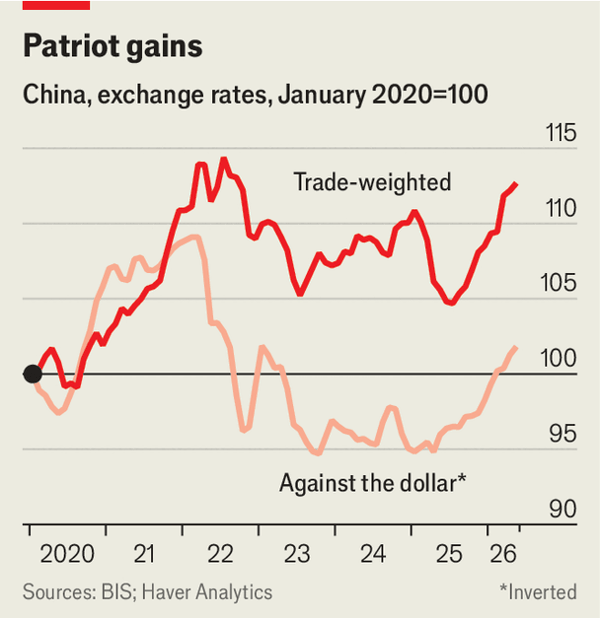
China's regulators have launched a crackdown on online brokers that help mainland investors bypass strict capital controls to invest abroad. Futu Securities, a prominent tech-focused brokerage with over 3.5 million clients, was accused along with several competitors of operating on the mainland without a license. Consequently, Futu faces a $271 million fine and must close all illegal accounts within two years, causing its Nasdaq-listed shares to decline by 20% since late May. This regulatory intervention is unusual in timing, as the Chinese yuan has performed strongly recently, easing the depreciation pressure that typically prompts capital control tightening, though recent large capital outflows in March did help curb the yuan's export-harming appreciation.
Regulators appear to be acting preemptively as macroeconomic pressures build. Rising import prices for semiconductors are shrinking China's trade surpluses, while a widening interest rate gap—with the U.S. Federal Reserve expected to raise rates and China's central bank potentially cutting them—threatens to accelerate capital flight. Mainlanders are increasingly eager to invest in lucrative overseas stock offerings, such as SpaceX, which Futu has utilized as a promotional bonus worth up to $205 for new accounts. To counter this, China's State Administration of Foreign Exchange has emphasized that capital must serve the "real" domestic economy, introducing new outbound investment regulations on July 1st that expand direct investment definitions, mandate national-security vetting, and enforce continuous post-transaction monitoring.
China is also pursuing the "renminbification" of overseas assets to mitigate opening-up risks, with yuan-denominated loans and deposits now comprising nearly 40% of Chinese banks' foreign assets, up from under 20% four years ago. Other capital outflows are strictly restricted using quotas and "closed loops." Under the official "connect" scheme, mainlanders buy Hong Kong securities in yuan, and the proceeds from sales must return to them in yuan. Approved institutional investors face a strict combined foreign asset quota of $176 billion. Although officials want to elevate the yuan's global standing, their deep-seated suspicion that capital flight is unpatriotic and damaging to the Communist Party's prestige drives them to restrict citizens from betting on competing foreign technological narratives.
Source: China cracks down on rule-bending offshore investments
Subtitle: It wants mainland investors to bet on its own tech dreams, not America’s
Dateline: Jul 02, 2026 06:23 AM | Hong Kong