多项研究表明,疾病成因约有20%来自遗传、80%来自环境,但研究投入与这一80:20比例明显不匹配,除传染病外,对环境致病因素的研究长期呈碎片化。拟议中的“人类暴露组计划”试图像人类基因组计划那样系统整合从受孕到终老的物理、生物、心理、社会和化学暴露,以填补这一结构性缺口。
人工智能被视为暴露组学启动与扩展的关键引擎:它不仅可整合历史上方法和格式不一致的数据,还能将多类暴露与疾病状态进行更精确的因果关联。其能力提升已出现量化跃迁,例如哈通团队毒性预测模型的准确率从2015年的65%升至去年的91%,而关键检测基础设施中质谱仪灵敏度每3至4年翻倍、可穿戴与环境传感器持续小型化和低成本化。
支撑体系也在扩大但区域差异显著:英国生物样本库与中国开滦生物样本库均在追踪超过500,000人,为长期多维数据融合提供规模基础。资金与政策上,美国NEXUS目前仅获数百万美元,而欧盟在2020年已为EHEN试点投入1.05亿欧元(1.15亿美元),并正推进两个后续项目,显示欧洲在制度化推进上暂时领先。
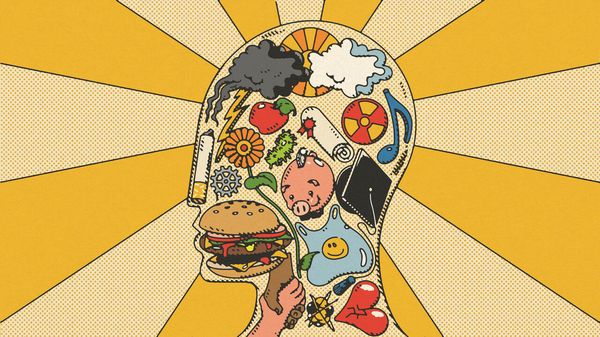
Several studies suggest that about 20% of disease causation is genetic and 80% is environmental, yet research effort remains poorly aligned with this 80:20 ratio, and non-infectious environmental causation has largely been studied in fragmented ways. The proposed Human Exposome Project aims to build a genome-project-style, life-course framework spanning physical, biological, psychological, social, and chemical exposures from conception to death to close that structural gap.
AI is positioned as the core engine for launching and scaling exposomics: it can integrate legacy datasets collected with inconsistent methods and formats and link multiple exposure classes to disease states with tighter cause-effect resolution. Quantitative gains are already clear, with Hartung’s molecular-toxicity model improving from 65% accuracy in 2015 to 91% last year, while key measurement capacity is also rising as mass-spectroscope sensitivity doubles every 3-4 years and sensor platforms become smaller, cheaper, and more wearable.
Infrastructure is expanding but uneven across regions: both UK Biobank and China Kadoorie Biobank each track more than 500,000 participants, creating large-scale foundations for longitudinal, multidomain integration. Funding and policy momentum diverge sharply, with NEXUS in the US supported by only a few million dollars versus the EU’s €105m ($115m) EHEN pilot in 2020 plus two follow-on programs, indicating Europe currently leads institutional deployment.
Source: The Human Exposome Project will map how environmental factors shape health
Subtitle: It makes the Human Genome Project look easy
Dateline: 2月 19, 2026 04:53 上午 | Phoenix, Arizona