过去在拜登政府的补助与严格油耗标准推动下,电动车销量曾大幅成长,但除了特斯拉之外,多数车厂都在赔钱。2025年共和党取消了这些政策后,底特律车厂退守至最赚钱的大型车与混合动力车市场。混合动力车价格较亲民,且较能符合美国民众的驾驶习惯与里程需求。
专家预测到了2030年,混合动力车将拿下美国约27%的市占率,成为市场的结构性主力而非仅是过渡产品。然而,尽管混合动力车迎合了当前的美国市场,但要推动全面电动化仍需电池技术突破,而这似乎已成为中国车厂的优势,为美国车厂的长远未来蒙上风险。
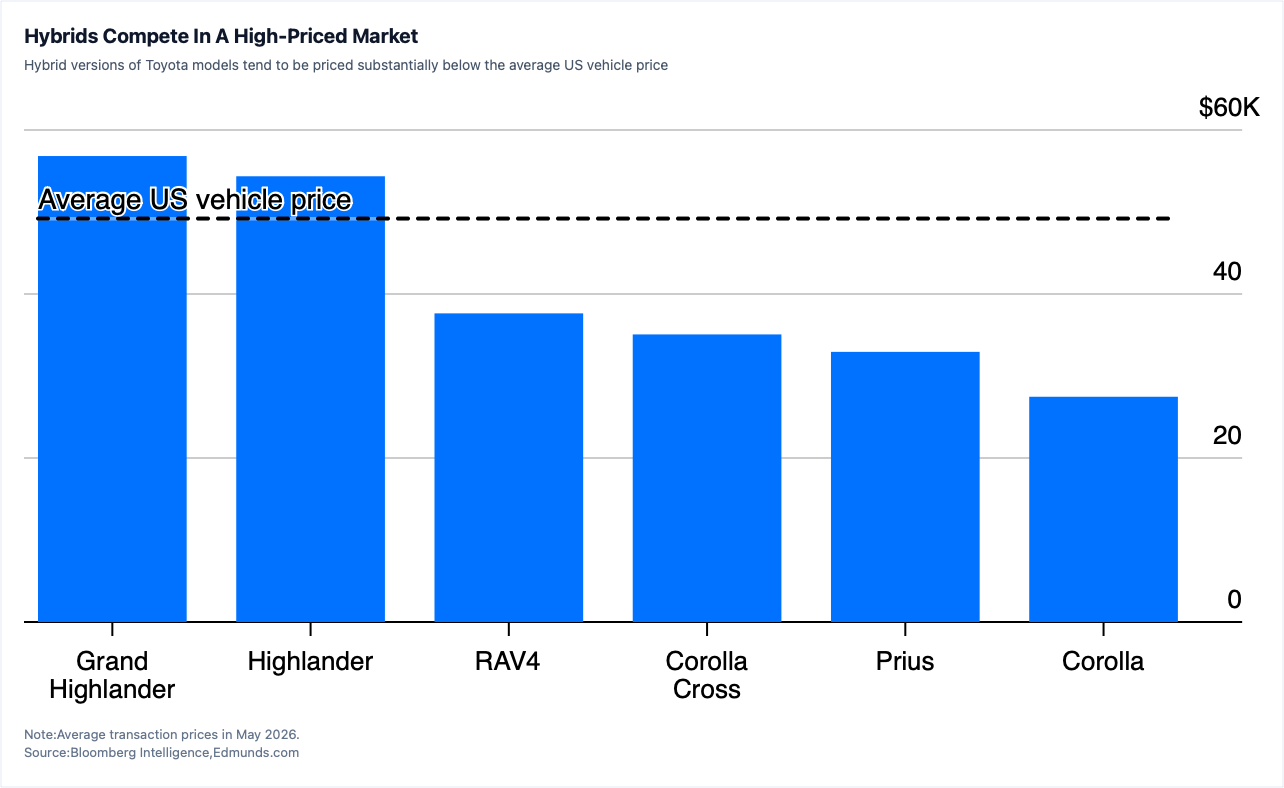
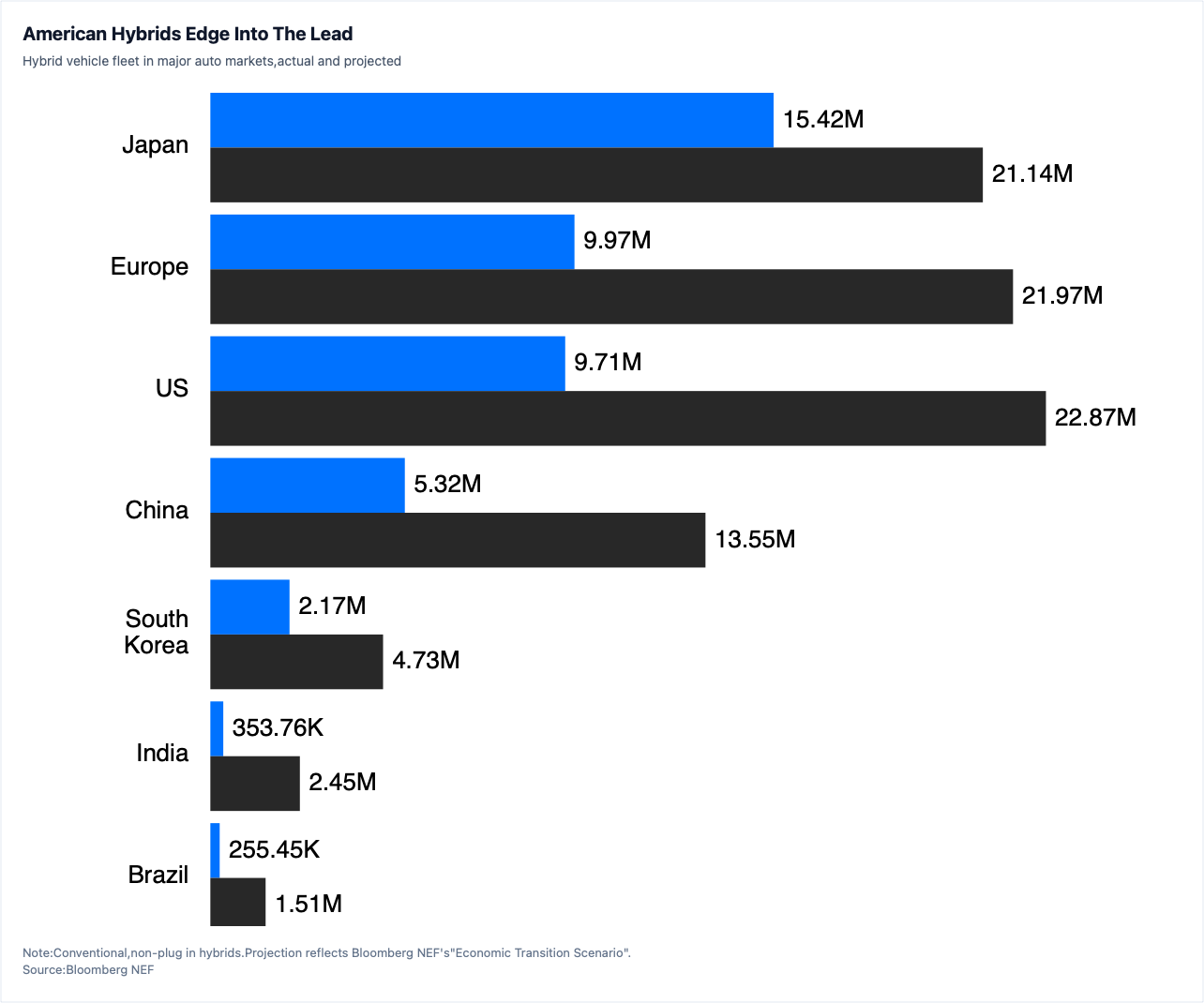
In the first half of 2026, US sales of conventional hybrid vehicles grew by nearly 20%, while pure electric vehicle sales plunged by a quarter. This shift was largely driven by rising pump prices and the removal of EV subsidies, alongside automakers' preference for manufacturing more profitable hybrid models after suffering massive write-downs on EV investments.
EV sales had previously surged under the Biden administration's subsidies and strict fuel economy standards, though most automakers, excluding Tesla, lost money on them. After Republicans dismantled these policies in 2025, Detroit automakers retreated to their most profitable segments, including large vehicles and hybrids. Hybrids offer a more affordable price point and better suit American driving habits and range requirements.
Experts project that hybrids will capture about 27% of the US market by 2030, becoming a structural staple rather than just a bridge technology. However, while hybrids perfectly fit the current American landscape, a full transition to EVs requires breakthroughs in battery technology. With such advancements increasingly dominated by Chinese automakers, this trend casts a shadow of long-term risk over US car manufacturers.