1月25日,东京上野动物园的双胞胎熊猫晓晓与蕾蕾在泪眼告别中离开:约110,000人申请4,400个观赏名额,约25:1的竞争意味着约4%能入场,许多未获名额者仍到场挥旗致谢。人群以“谢谢,晓晓和蕾蕾”的旗帜表达告别,也凸显其在公众心中的号召力。
日本54年来首次没有熊猫;在拥有“迷文化”地位的背景下,这种空缺格外醒目,并被视为中日关系降温的象征。熊猫外交可追溯至1972年中国为纪念邦交正常化赠送首对熊猫,此后数十只在日本动物园生活,而上野方面称熊猫已“超过50年”是园区的标志性面孔。
官方说法是借展到期,但有观点认为若关系良好应会立即补位;在“去年年底”日本首相高市早苗就台湾局势作出可能军事介入的表态后,中国暂停自日海产品进口并限制两用物项出口。与此同时,韩国在两国领导人友好会晤后似将迎来新熊猫;在日本,2024年一项民调显示近90%民众对中国持负面看法且强硬立场据称提振支持率,使熊猫何时(或是否)回归仍不明朗。
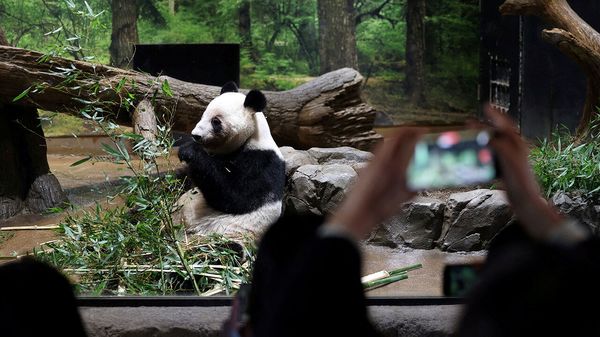
On January 25, tearful crowds in Tokyo’s Ueno Zoo bid farewell to Xiao Xiao and Lei Lei: about 110,000 people applied for 4,400 viewing spots, a roughly 25-to-1 scramble that implies only about 4% could get in, and many who missed out still came waving “Thank you, Xiao and Lei” flags. The turnout underscored their pull as a public spectacle.
For the first time in 54 years Japan is without pandas; in a country where they have cult status, the gap is hard to miss and is framed as a sign of cooling ties with China. Panda diplomacy dates to 1972, when China gifted Japan its first pair to mark diplomatic normalization, and since then dozens have lived in Japanese zoos, with Ueno staff saying pandas have been the zoo’s face for “over 50 years.”
Officials cite an expired loan, but critics argue replacements would arrive quickly if relations were good; after Prime Minister Sanae Takaichi suggested near the end of last year that Japan might intervene militarily if trouble erupted over Taiwan, China suspended seafood imports from Japan and restricted dual-use exports. Meanwhile South Korea appears poised to receive new pandas after a cordial presidential meeting, and in Japan a 2024 poll showing nearly 90% negative views of China—alongside reportedly buoyed ratings for a tougher stance—leaves the timing, or even the prospect, of pandas returning unclear.
Source: For the first time in 54 years there are no pandas in Japa
Subtitle: It is a sign of worsening relations with China
Dateline: 1月 29, 2026 07:20 上午 | TOKYO